
A few years back, psyllium husk was mostly seen as a niche health ingredient. Things changed fast. Today, supermarkets, supplement brands and even bakery companies are adding fiber-based products to shelves because customers actually read labels now. Digestive health became a serious buying factor, especially after the global wellness boom.
That shift pushed demand for every reliable indian psyllium husk supplier much higher than before.
Importers are not only asking for volume anymore. They ask about purity. Certifications. Moisture levels. Packaging safety. Sometimes even farm traceability. One rejected shipment can cost thousands and buyers know it.
This blog breaks down how psyllium husk export works from India and why quality standards matter more than pricing alone.
India Still Dominates the Global Psyllium Trade
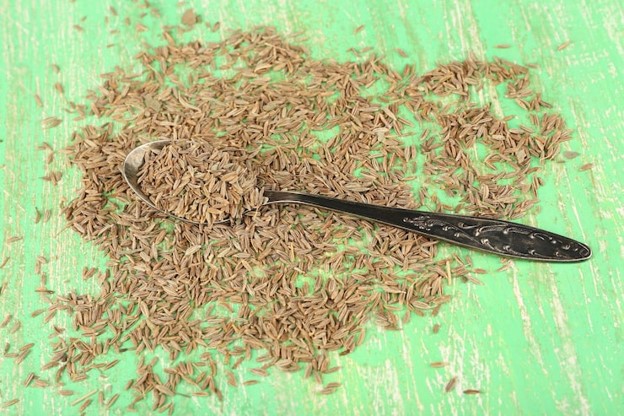
India remains the largest producer and exporter of psyllium in the world. Gujarat handles a major share of cultivation because the climate works well for cleaner husk production and stronger seed quality.
International buyers source Indian psyllium for several industries:
- Nutraceutical manufacturing
- Pharmaceutical formulations
- Fiber supplement brands
- Functional food production
- Organic wellness products
Bulk supply capability is one big reason buyers stay connected with Indian exporters year after year. Availability matters. Consistency matters even more.
A lot of experienced exporters also handle other agricultural products like turmeric, fennel, coriander and high-purity cumin seeds bulk shipments. Buyers usually prefer one dependable supply chain instead of juggling five separate vendors.
What Actually Defines Good Psyllium Husk?
Many suppliers claim premium quality. Real quality becomes obvious during testing.
High-grade psyllium generally has:
- Better swelling properties
- Lower moisture percentage
- Uniform mesh size
- Minimal impurities
- Safe microbial count
Color also tells a story. Cleaner husk usually looks lighter and more consistent. Importers from Europe and North America now pay closer attention to contamination risks. Steam sterilization has become common because food safety standards are getting tighter every year. A supplier ignoring those updates often struggles in export markets later.
Labs normally test for Salmonella, yeast, mold, pesticide residue and heavy metals before shipment approval. That process sounds technical, honestly, but it protects both sides.
How the Export Process Usually Works
Exporting psyllium is not simply packing bags and sending containers overseas. A proper system sits behind every successful shipment.
Raw Material Sourcing
Everything starts at the farm level. Reliable exporters work closely with farmers and mandi networks to maintain cleaner procurement standards. Dust contamination, stones, damaged seeds and uneven drying can lower export quality quickly. Traceability has also become more important recently.
Cleaning and Processing
Modern processing plants use multiple cleaning stages. Destoners, gravity separators, sieving systems and color sorters help improve purity levels.
Processing environments should stay dry and hygienic because moisture ruins storage stability. Some exporters still cut corners here. Buyers eventually notice.
Packaging and Shipping
Packaging quality affects shelf life more than many people expects. Food-safe export bags, moisture-resistant liners and proper container loading all help reduce spoilage risks during transit. Long sea routes create enough temperature variation already. Weak packaging only makes it worse.
Rising Demand from Canadian Buyers
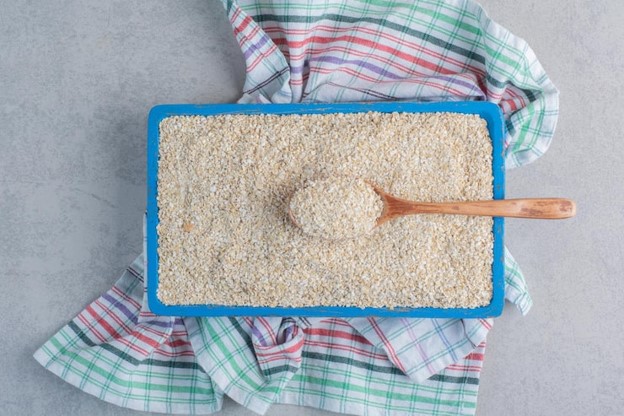
Demand for every trusted psyllium husk supplier in Canada has increased because health supplement consumption continues growing there. Canadian importers usually focus on consistency over cheap pricing.
One failed batch can interrupt manufacturing schedules for weeks. That becomes expensive very fast.
Buyers commonly ask suppliers about:
What Canadian Importers Often Check
- Organic certification
- Stable bulk supply
- FDA-compliant processing
- Export experience
- Private labeling options
Some supplement companies also blend psyllium with flaxseed, chia, probiotics, or herbal ingredients. Uniform texture becomes extremely important in those formulations.
Experience Matters More Than Brochures
A polished catalog means very little if shipments arrive damaged. Experienced exporters generally solve problems faster because they already understand customs documentation, transit handling, moisture control and compliance expectations.
One importer in Toronto reportedly changed suppliers after repeated winter storage issues caused psyllium clumping inside containers. After switching to a supplier using sealed moisture-barrier packaging, rejection complaints reportedly dropped within months.
Tiny operational details create huge differences later. That part gets overlooked all the time.
Choosing the Right Supplier Carefully
Low pricing should never be the only deciding factor.
A dependable exporter normally offers:
- Strong quality testing systems
- Clean processing infrastructure
- Reliable export documentation
- Bulk packaging flexibility
- Consistent communication
Delayed responses during inquiry stages often become bigger shipment problems later. Many buyers learn that the hard way.
Organic psyllium husk, bulk psyllium exporter, export-quality spices, fiber supplement supplier and private label psyllium products are some of the LSI terms that are naturally related to this industry. Application of these across content tends to enhance the relevance of searches without rendering the articles stuffy or robotic.
Conclusion
The psyllium demand globally continues to increase as people shift towards fiber and clean-label products. Exporters are now under a lot stricter demand in terms of purity, safety, documentation and packaging. Customers who need stability in their sourcing relationships tend to deal with suppliers who have the right mindset of international compliance rather than a low-cost supplier. Sadbhaav Spices continues serving global buyers with export-focused quality standards and dependable agricultural sourcing solutions.
FAQs
1. Why is India a major exporter of psyllium husk?
India produces most of the world’s psyllium because its climate supports large-scale cultivation and better husk quality.
2. What should buyers check before choosing an indian psyllium husk supplier?
Buyers should review certifications, testing standards, export experience, packaging quality, and shipment reliability.
3. Why do companies search for a trusted psyllium husk supplier in Canada?
Canadian supplement and food brands require consistent bulk supply, strict quality compliance, and safe import documentation.
4. Can exporters also supply high-purity cumin seeds bulk orders?
Yes. Many Indian agricultural exporters supply psyllium along with cumin seeds, turmeric, coriander, fennel, and other export-grade spice products.