
A lot can go wrong between the warehouse and the destination port. One small tear in a bag, a little moisture inside the container, or poor sealing during loading can ruin an entire shipment. Exporters dealing in natural sesame seeds bulk know this problem too well. Product quality may look perfect at dispatch, then arrive with odor issues, moisture damage, or reduced shelf-life weeks later.
Packaging has quietly become one of the biggest deciding factors in the global spice trade. Buyers are not only checking seed quality anymore. They also care about hygiene, freshness, storage life and safe transportation. Good packaging protects all of it.
This blog covers the most reliable packaging methods used for bulk export of sesame and cumin seeds and why they matter more than ever in international markets.
Why Export Packaging Needs More Attention
Sesame and cumin seeds are delicate products. Cumin loses its natural aroma when exposed to air for too long. Sesame seeds react quickly to heat and moisture because of their oil content. Once that freshness is gone, buyers notice immediately.
Importers across Europe, the USA and Gulf countries now follow stricter food safety standards than before. Packaging is expected to do more than hold the product together. It must protect quality during long sea transit and warehouse storage.
Most buyers usually look for:
- food-safe packaging material
- strong moisture protection
- proper sealing and clean labeling
A shipment packed carelessly often creates losses that could have been avoided with better handling from the start.
PP Woven Bags Still Work Best for Bulk Exports
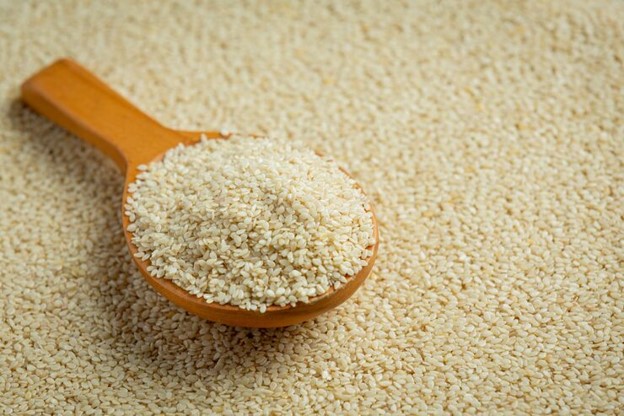
Polypropylene woven bags remain one of the most trusted packaging options in the spice export industry. Most exporters use 25 kg or 50 kg bags with food-grade polyethylene liners inside.
The outer woven layer handles rough loading conditions quite well. The inner liner helps block dust, moisture and contamination during transportation. It is simple, practical and still highly effective for large export volumes.
Many companies working as white sesame seeds bulk exporter prefer this packaging style because it keeps costs manageable while offering solid product protection. Buyers also find these bags easier to stack and store inside warehouses.
Vacuum Packaging Is Growing in Premium Markets
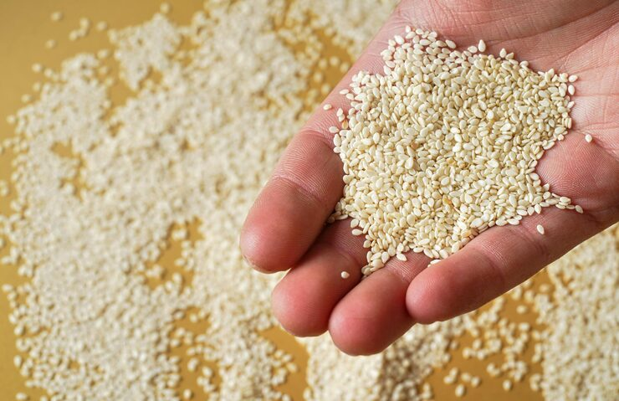
Vacuum packaging is becoming more common in high-value exports, especially for organic and cleaned seed categories. Removing air from the package helps maintain freshness and slows oxidation during long shipping periods.
European food companies often request vacuum-sealed products for premium sesame and cumin orders. Hulled sesame seeds, in particular, benefit from this method because they are more exposed after processing.
A reliablehulled sesame seeds exporter usually invests in strong sealing systems for this reason. The packaging cost may be slightly higher, but the reduction in product complaints often makes it worthwhile.
Kraft Paper Bags Are Becoming Popular
Kraft paper bags with inner liners are now widely used in organic export markets. They are cleaner and contribute to environmentally friendly packaging objectives. Natural product companies and health food brands are more inclined to use packaging that feels sustainable rather than industrial.
Another benefit of using paper bags is that they leave a better first impression at the custom check-in and wholesale distribution. There has been a steep rise in demand for biodegradable and recyclable packaging in recent years. Early adjusting exporters are more likely to get premium buyers.
Container Handling Matters More Than People Think
Strong packaging alone cannot protect cumin and sesame seeds if the container itself is poorly managed. Long shipping routes create temperature changes inside containers and that often leads to moisture buildup.
Experienced exporters usually focus on a few simple precautions:
- placing desiccants inside containers
- using wooden pallets for airflow
- avoiding pressure damage from overstacking
Small handling improvements often prevent much larger problems later during transit.
Clear Labeling Helps Avoid Delays
Packaging without proper labeling creates confusion at ports and warehouses. Buyers expect clear product information for traceability and compliance checks.
Most export labels include product name, batch number, packing date, origin country and net weight. Storage instructions and certification details are also required by some importers on the bags. Clean labeling is not a major concern but accelerates the process of clearing customs and enhances consumer confidence.
Sustainable Packaging Is No Longer Optional
Global buyers are paying more attention to sustainability now. Food companies want suppliers who reduce unnecessary plastic use and follow cleaner export practices.
A professional white sesame seeds bulk exporter today competes through packaging quality and sustainability almost as much as pricing. Recyclable liners and eco-friendly packaging materials are becoming more common across premium export markets.
Conclusion
Good packaging protects more than sesame and cumin seeds. International transportation of products requires the use of moisture-resistant bags, appropriate sealing, handling of containers and labeling, all of which are significant in ensuring the quality of the product is maintained. PP woven bags are still the choice of bulk export due to their durability and cost-effectiveness.
Vacuum packaging is particularly effective with products of premium quality, whereas kraft paper bags are becoming more popular in organic markets. Good packaging criteria assist the exporters in providing competent quality throughout their international markets. Sadbhaav Spices still dwells on the safe and export-ready packaging technique of shipment of sesame and cumin seeds to the global market.
FAQs
What is the best packaging for natural sesame seeds bulk export?
Food-grade PP woven bags with inner liners are commonly used because they help protect sesame seeds from moisture and contamination during shipping.
Why do importers prefer vacuum-packed sesame seeds?
Vacuum packaging helps preserve freshness, aroma, and shelf life during long-distance transportation.
How does a hulled sesame seeds exporter maintain product quality?
Most exporters use sealed packaging, controlled storage conditions, and moisture protection systems during shipping.
What packaging is commonly used by white sesame seeds bulk exporters?
PP woven sacks, vacuum packs, and kraft paper bags with liners are widely used depending on buyer requirements and export destination.