
A bakery supplier in Qatar once rejected an entire sesame shipment over color inconsistency alone. Nothing was technically “wrong” with the seeds. Still, the burger buns looked uneven on display shelves and that was enough for the buyer to switch exporters the next month. That kind of thing happens more often than people think.
Businesses searching for a natural sesame seed bulk supply usually compare prices first. Then the real questions arrive later. Which sesame type lasts longer? Which works better for bakery products? Which one meets export market expectations without creating quality complaints?
Natural sesame seeds bulk and hulled sesame seeds may come from the same crop, but they behave very differently once they enter food production lines.
Natural Sesame Seeds and Why Buyers Still Prefer Them
Natural sesame seeds keep their outer skin intact. The color looks slightly duller compared to processed white sesame, somewhere between beige and light brown depending on crop quality.
Many oil manufacturers actually prefer this version because the seed remains closer to its original form. There is less processing involved, which also helps keep pricing slightly lower for wholesale orders.
Natural sesame seeds are widely used for:
- sesame oil extraction
- traditional snack production
- spice and seasoning blends
The flavor feels stronger too. Slightly earthy. A little deeper. Food brands targeting authentic regional taste profiles often choose natural sesame for that reason alone.
Storage performance also tends to be better. Since the outer husk stays attached, the seed gets a bit more protection during long-distance shipping.
Hulled Sesame Seeds Look Cleaner Because They Are
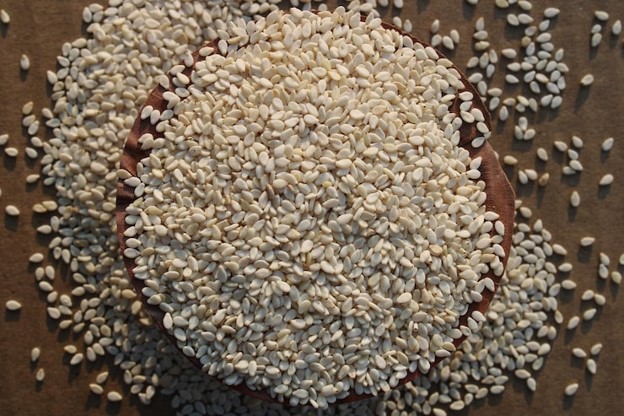
Hulled sesame seeds go through an additional process where the outer coating is carefully removed. After washing, drying and polishing, the seeds appear brighter and more uniform. That visual difference matters a lot in export markets.
A reliable hulled sesame seeds exporter usually supplies bakery manufacturers, tahini processors, packaged food brands and restaurant chains where appearance directly affects product presentation.
White sesame sprinkled over burger buns or bread rolls? Most of the time, those are hulled seeds.
The texture also changes after processing. Hulled sesame feels softer and tastes milder compared to natural sesame. Some buyers specifically request this because an overpowering nutty flavor can affect delicate recipes.
The Main Difference Wholesale Buyers Should Understand
Some importers treat both sesame categories almost the same during sourcing. That becomes risky once production begins.
Natural sesame contains more fiber because the husk remains attached. Hulled sesame looks cleaner but requires extra processing before export. That additional work increases pricing slightly.
Shelf life can shift too.
Natural sesame generally handles storage conditions better during long shipping cycles. Hulled sesame needs tighter moisture management because the protective outer layer is already removed.
One thing buyers notice quickly is visual consistency. Hulled sesame creates a more premium look in packaged foods. Natural sesame leans more toward industrial processing and oil applications.
Why International Buyers Mostly Choose Hulled Sesame
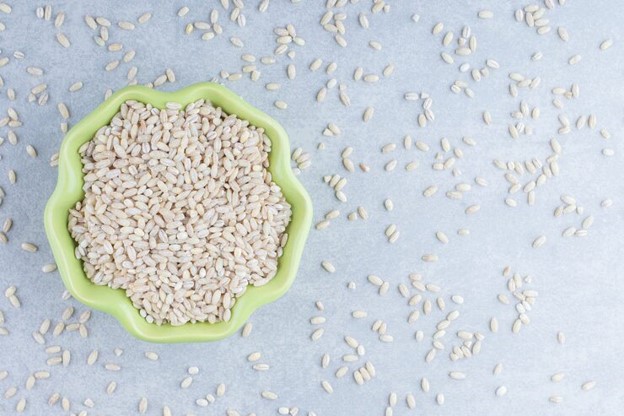
European food brands and North American bakery suppliers usually follow strict visual standards. Uniformity matters almost as much as food safety compliance now.
A trusted white sesame seeds bulk exporter typically focuses heavily on cleaning technology, sorting accuracy and contamination control because even minor defects can trigger shipment rejection.
Good exporters usually maintain:
- low moisture levels
- machine-cleaned sorting systems
- export-safe packaging standards
Food companies today cannot afford inconsistency. One weak shipment can damage retail trust very quickly.
Demand for bakery-grade sesame has also increased because sesame now appears in protein bars, vegan snacks, crackers, gourmet breads and healthy packaged foods. Market demand keeps moving upward, especially across premium food sectors.
Quality Checks Matter More Than Low Pricing
Some wholesale buyers still chase the cheapest quote available. Later they discover problems during unloading or production.
Moisture percentage remains extremely important in sesame exports. High moisture can reduce shelf life and increase spoilage risks during transport. Oil content, purity level, cleaning quality and Salmonella safety checks also play a major role in bulk buying decisions. Experienced importers usually ask detailed questions before placing large orders.
One UAE distributor reportedly reduced bakery product wastage after switching suppliers simply because the new exporter offered better cleaning consistency and tighter packaging control. Small operational improvements saved them far more than price negotiations ever did.
India Continues Leading the Sesame Export Market
Indian sesame exporters are very competitive due to huge farming areas, good processing facilities and fixed export capacity. Organic sesame, bakery grade white sesame, roasted sesame seeds and machine-cleaned export varieties have experienced an ever-increasing demand. Health-conscious food companies are now more concerned with sourcing quality, as compared to a few years ago. Wholesale buyers are also more demanding of suppliers who know the compliance documents, packaging guidelines and international shipment processing well.
Conclusion
Natural sesame seeds and hulled sesame seeds are useful in the food industry, yet each fits into various commercial uses. Natural sesame is excellent in oil extraction and traditional food production whereas hulled sesame is suitable in bakery, packaged food and high-end retail production where appearance is of high importance. When buyers are aware of these distinctions, they tend to keep a clear head of unnecessary losses and make superior sourcing choices in the long run. To companies that require reliable sesame export services at constant standards of quality, Sadbhaav Spices still provides the world markets with high-quality bulk sesame products.
FAQs
1. What are natural sesame seeds mainly used for?
Natural sesame seeds are commonly used for oil extraction, spice processing, traditional foods, and snack manufacturing.
2. Why do bakery companies prefer hulled sesame seeds?
Hulled sesame seeds provide a cleaner appearance, softer texture, and better visual consistency for bakery products.
3. Are hulled sesame seeds more expensive than natural sesame?
Yes. Hulled sesame seeds usually cost more because of additional cleaning and processing steps.
4. How can buyers choose a reliable white sesame seeds bulk exporter?
Buyers should check purity standards, moisture control, export certifications, packaging quality, and processing methods before placing bulk orders.