
Do Sesame Seeds Expire or Go Bad?
Yes, sesame seeds can expire and go bad, primarily due to their high oil content, leading to rancidity. Untoasted seeds last 6-12 months in the pantry, up to 1-2 years in the fridge or freezer when stored properly in airtight containers away from heat, light, and moisture. Signs of spoilage include a rancid smell, bitter taste, mold, or discoloration. Toasted varieties have a shorter shelf life (3-6 months at room temp). At Sadbhaav Spices, we ensure our premium organic sesame seeds are fresh-sourced and packaged for maximum longevity. Proper storing sesame seeds keeps their nutty flavor and health benefits—like heart support and antioxidants—intact.
As one of India’s leading sesame seeds suppliers and exporters, Sadbhaav Spices knows the importance of freshness in every batch. We’ve been manufacturing and exporting high-quality organic sesame seeds for years, helping chefs, businesses, and home cooks worldwide enjoy their versatile flavor. But a common question we get is, ‘Do sesame seeds expire or can sesame seeds go bad? The short answer is yes—they can, but with proper care, they last a long time.
In this comprehensive blog, we’ll dive deep into sesame seed shelf life, signs of spoilage, best storage practices, and why freshness matters for their nutritional value. Whether you’re stocking up on white, black, or toasted varieties, understanding these factors ensures you get the most out of this nutrient-packed superfood. Backed by expert sources and our industry experience, this guide will help you keep your sesame seeds at their best.
Sesame seeds are tiny but mighty, adding crunch and nuttiness to everything from salads to baked goods. However, their natural oils make them prone to oxidation, which can lead to off-flavors over time. Let’s break it down step by step.
Understanding Sesame Seeds: Types and Why They Might Expire
Sesame seeds come from the Sesamum indicum plant, harvested for their edible seeds rich in healthy fats (about 50% oil content). This oil is what gives them their signature taste but also makes them susceptible to going bad.
Common types include:
- White Sesame Seeds: Hulled and mild, often used in baking and tahini. They have a longer shelf life when stored properly.
- Black Sesame Seeds: Unhulled, with a stronger, earthier flavor and higher antioxidants. Their dark hull provides some protection but doesn’t make them immune to spoilage.
- Toasted Sesame Seeds: Pre-roasted for enhanced nuttiness, but heat accelerates oil breakdown, shortening their lifespan.
- Hulled vs. Unhulled: Hulled (peeled) seeds are more prone to rancidity as the protective hull is removed, while unhulled last slightly longer.
Unlike dry goods like rice, sesame seeds “expire” through rancidity rather than bacterial growth, though moisture can invite mold. At Sadbhaav Spices, we process our seeds with minimal intervention to preserve natural oils, ensuring they arrive fresh.
Do Sesame Seeds Expire? The Shelf Life Breakdown
Sesame seeds don’t have a strict “expiration date” like perishable foods, but they do have a “best by” period after which quality declines. The USDA guidelines suggest 6-24 months depending on storage, but real-world factors like humidity play a role.
Here’s a detailed look:
Untoasted Sesame Seeds
- Pantry (Room Temperature): 6-8 months. Keep in a cool, dark spot below 70°F (21°C) to prevent oil oxidation.
- Refrigerator: 12-14 months. The cold slows rancidity, ideal for bulk storage.
- Freezer: Up to 2 years. Freezing halts oxidation almost entirely, preserving flavor and nutrients.
Toasted Sesame Seeds
- Pantry: 3-6 months. Toasting exposes oils to heat, making them more vulnerable.
- Refrigerator: About 1 year.
- Freezer: 1-2 years.
Factors affecting shelf life:
- Humidity: High moisture leads to mold; aim for under 60% relative humidity.
- Light and Heat: UV rays and warmth speed up rancidity.
- Packaging: Opened bags shorten life; transfer to airtight containers.
In our experience at Sadbhaav Spices, freshly harvested organic seeds from Gujarat farms last longer due to lower initial moisture content.
Signs That Sesame Seeds Have Gone Bad
It’s not always obvious when sesame seeds spoil, as they don’t “rot” like fruits. The main culprit is rancid oils, which develop off-flavors.
Key indicators:
- Rancid Smell: Fresh seeds smell nutty and pleasant; spoiled ones have a sharp, paint-like odor.
- Bitter or Off Taste: Taste a few—if they’re bitter or soapy, they’re rancid. (Safe to taste, but discard if bad.)
- Discoloration: Yellowing, darkening, or spots signal oxidation or mold.
- Mold or Clumping: Visible fuzz or sticky clumps mean moisture intrusion—throw them out immediately.
- Texture Changes: If they feel overly soft or oily, they’ve absorbed moisture.
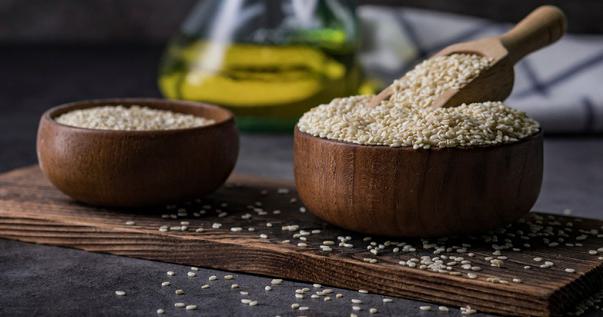
If in doubt, err on the side of caution. Rancid seeds won’t make you sick but can ruin dishes with bad flavors. Compare fresh vs. spoiled visually:
Best Storage Tips for Sesame Seeds
Proper storage is key to extending shelf life. Follow these expert tips to keep your seeds fresh:
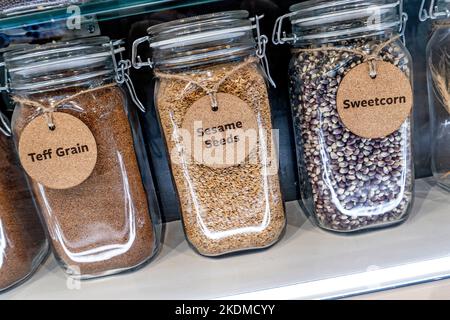
- Airtight Containers: Use glass jars or vacuum-sealed bags to block air and moisture. Avoid plastic if possible, as it can absorb odors.
- Cool, Dark Location: Pantry shelves away from stoves or windows. Ideal temp: 50-70°F (10-21°C).
- Refrigeration for Longevity: Store in the fridge door or main compartment. Let them reach room temp before opening to prevent condensation.
- Freezing for Bulk: Portion into freezer bags; they thaw quickly without quality loss.
- For Toasted Seeds: Cool completely before storing to avoid steam buildup.
- Labeling: Note purchase date and “best by” estimate.
At Sadbhaav Spices, our seeds come in resealable, moisture-proof packaging for easy storage. For Spices wholesaler India, we offer bulk options with extended freshness guarantees.
Nutritional Benefits: Why Fresh Sesame Seeds Matter
Fresh sesame seeds are nutritional powerhouses, but rancidity can diminish their benefits. A 1-ounce (28g) serving provides:
- Calories: 160
- Protein: 5g (10% DV)
- Healthy Fats: 14g (mostly unsaturated)
- Fiber: 3g (12% DV)
- Minerals: Calcium (28% DV), Iron (23% DV), Magnesium (25% DV)
- Vitamins: B1 (17% DV), B6 (11% DV), E (antioxidant)
Health perks include:
- Heart Health: Lignans and healthy fats lower cholesterol and blood pressure.
- Antioxidant Boost: Sesamin and sesamolin fight inflammation and oxidative stress.
- Bone Support: High calcium and magnesium for density and joint health.
- Immune and Digestive Aid: Zinc, selenium, and fiber enhance immunity and gut health.
- Skin and Hair Benefits: Nutrients promote collagen and reduce aging signs.
Spoiled seeds lose these compounds, so freshness is crucial. Our organic seeds at Sadbhaav retain maximum nutrition through careful processing.
Culinary Uses and Recipes with Fresh Sesame Seeds
Fresh seeds elevate dishes:
- Sprinkles: On salads, stir-fries, or avocado toast.
- Tahini and Hummus: Blend into spreads.
- Baking: In breads, cookies, or energy bars.
- Asian Cuisine: For sushi rolls or sesame chicken.
- Sweets: In halva or laddoos.
Try our simple recipe: Toasted Sesame Dressing—mix fresh seeds with soy sauce, vinegar, and honey for salads.
Economic and Sustainability Aspects
As a cash crop, sesame supports Indian farmers. Proper storage reduces waste, promoting sustainability. At Sadbhaav, we source ethically for eco-friendly practices.
Yes, they can go rancid after 6-24 months, depending on storage.
Check for rancid smell, bitter taste, mold, or discoloration.
In airtight containers in a cool, dark place; fridge or freezer for longer life.
Sesame seeds do expire and can go bad, but smart storage keeps expired sesame seeds safe and fresh for years. As your trusted Indian spices exporter, Sadbhaav Spices offers premium, organic sesame seeds designed for longevity. Visit https://sadbhaavspices.com/ for fresh supplies and elevate your cooking today!