
Europe has become one of the most attractive destinations for high-quality, food-safe black pepper, especially for exporters offering TGSEB 500gl+ and steam-sterilized lots. Within this market, the Netherlands, the United Kingdom, and Belgium stand out as the most important entry points, with Rotterdam and Antwerp operating as powerful import and re-export hubs supplying the wider EU and UK regions.
For exporters targeting “black pepper buyers in Europe,” understanding how these hubs work, what top buyers expect, and why EU rules like the 0.01 ppm MRL and TRACES NT matter is critical to winning and retaining premium clients in 2026.
Why Europe Loves TGSEB 500gl+ Steam-Sterilized Black Pepper
European buyers are under constant pressure from regulators, retailers, and consumers to keep food safe, traceable, and clean-label. That is why TGSEB 500gl+ black pepper with steam sterilization, strong documentation, and reliable pesticide control has become the preferred specification for serious importers and processors.
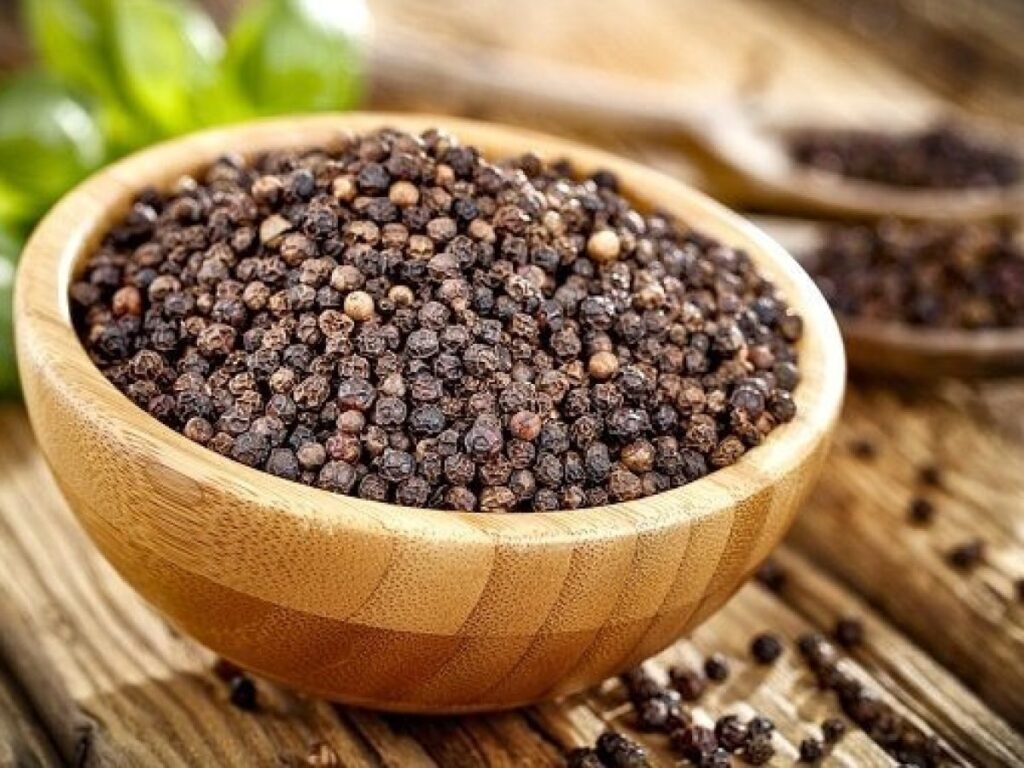
Key reasons this grade is in demand:
- High bulk density, better yield
TGSEB 500gl+ pepper offers a higher bulk density, which means more active flavor and essential oils per unit volume for food manufacturers and spice blenders. This improves formulation efficiency and makes freight more cost-effective, especially for container loads routed through Rotterdam and Antwerp. - Steam sterilization instead of EtO
Steam sterilization reduces microbial load (TPC, yeast, mold, pathogens) to levels accepted by European processors without leaving problematic chemical residues. This is crucial because many buyers and retailers now avoid EtO-treated pepper due to regulatory and reputation risks within Europe. - Traceability and positioning
Buyers increasingly ask for traceability from farm to container, along with food-safety certifications and consistent technical data. Exporters who can combine TGSEB 500gl+ physical quality with strong documentation and origin stories have a clear edge in the European market.
EU Compliance: 0.01 ppm MRL and TRACES NT
1. The 0.01 ppm MRL Reality
In the European Union, pesticide residues in food and spices are tightly controlled, with many substances either banned or subject to extremely low limits. When a specific maximum residue level (MRL) is not established for a particular pesticide on black pepper, a default limit of 0.01 mg/kg (0.01 ppm) often applies, which in practice means residues should be at or near the limit of analytical detection.
For exporters, this means:
- Regular lab testing is essential
Exporters need accredited lab reports showing multi-residue analysis with methods aligned to EU requirements before shipment. European buyers frequently insist on recent certificates of analysis (CoA) covering pesticides, microbiology, moisture, and bulk density at batch level. - Border rejection risk must be managed
Consignments that exceed MRLs can be stopped or rejected at EU borders and may be flagged in the EU’s alert systems, which damages trust for both importer and exporter. Once a supplying origin is tagged as risky, authorities may increase inspection rates, causing delays and extra cost.
2. TRACES NT and Pre-Notification
TRACES NT is the EU’s central online platform for managing sanitary and phytosanitary controls for imported food and agricultural products, including black pepper. For pepper shipments arriving in ports like Rotterdam and Antwerp, the importer or their customs agent must pre-notify authorities via this system before the consignment can be cleared.
Practical implications:
- Importers need clean, consistent paperwork
The importer files a digital entry with supporting documents such as invoices, packing lists, health or phytosanitary certificates (where required), and laboratory reports. Border authorities use this information to decide whether a particular shipment needs extra documentation checks, sampling, or physical inspection. - Exporters must support the process
Exporters should supply complete and accurate documents that match the physical shipment, including batch numbers, lot codes, packaging details, and lab results. When documents are consistent and products are compliant, shipments move faster through Rotterdam, Antwerp, or UK ports, which importers appreciate.
Rotterdam: Heart of Europe’s Black Pepper Trade
Rotterdam is a leading gateway for black pepper entering Europe, with a dense cluster of importers, spice traders, processors, and logistics companies handling flows from Asia, South America, and Africa. Containers arriving here are typically moved to nearby warehouses and factories for cleaning, grinding, blending, and repacking before being redistributed to other EU markets and the UK.
Rotterdam is particularly important for exporters of TGSEB 500gl+ and steam-sterilized pepper because many of the region’s top buyers operate regional or pan-European distribution from this port city. This makes Rotterdam the ideal starting point for any list of top black pepper buyers in Europe.
Antwerp: Belgium’s Re-Export and Processing Hub
Belgium, and especially the Antwerp region, plays a complementary role to Rotterdam in the European spice trade. Antwerp serves as both an import and re-export hub, with warehouses and processing plants that specialize in cleaning, blending, grinding, and packaging spices, including black pepper.
Many Belgian companies function as service-oriented partners that transform bulk imported pepper into formats suitable for retailers, foodservice distributors, and industrial food manufacturers across Europe. This re-export orientation makes Antwerp-based buyers highly attractive for exporters who can provide consistent, compliant, steam-sterilized pepper.
United Kingdom: Specialty, Ethnic, and Value-Added Demand
Although the UK is outside the EU, its food safety expectations and buyer practices remain closely aligned with EU standards, especially in retail and branded food manufacturing. The UK imports significant volumes of black pepper not only directly but also indirectly via warehouses and distribution centers in the Netherlands and Belgium.
The UK market is characterized by a strong ethnic food sector, dynamic independent wholesalers, and a growing number of premium and D2C spice brands, all of which rely on reliable, safe, and well-documented black pepper. Exporters of TGSEB 500gl+ steam-sterilized pepper have opportunities across mainstream retail, ethnic wholesale, and online specialty segments if they can meet technical and documentation expectations.
Top 10 Black Pepper Buyer Types in Europe (Netherlands, UK, Belgium)
Instead of focusing on a narrow list of individual names, it is more useful from a strategy and SEO perspective to understand the ten key buyer types across Rotterdam, Antwerp, and the UK that dominate the European pepper trade. You can later map your own specific company names into these roles based on your trade data and directories.
1. Rotterdam Global Importer & Processor
This buyer type imports large container volumes of whole black pepper, typically TGSEB 500gl+ and other high-density grades, and often runs its own processing facilities near the port. Activities may include cleaning, grading, steam sterilization, grinding, blending, and packaging for both food manufacturers and retailers across Europe.
Such buyers usually prefer long-term contracts with a limited number of reliable origin partners and pay close attention to MRL compliance, microbiology, and consistency in physical parameters like bulk density, moisture, and grain size. For exporters, building a relationship with this type of Rotterdam buyer can secure stable annual volumes and unlock access to multiple downstream markets through a single partner.
2. Rotterdam Commodity-Focused Trader
This buyer type concentrates more on bulk trading, spot deals, and fast-moving container flows, often serving secondary markets or smaller importers across the EU. They tend to buy larger lots during favorable price windows and resell to regional buyers that do not import directly.
Although price is more sensitive in this segment, EU compliance still matters, and serious traders will require at least basic lab reports and documentation. For exporters, this type of buyer can be useful for moving volume, especially when production capacity is high, but it may be less suitable for positioning highly differentiated, premium pepper.
3. Rotterdam Organic and Sustainability Specialist
This buyer type focuses on organic and sustainable black pepper sourced under strict residue controls and certified supply chains. They typically work with organic-certified farms or cooperatives and require separate handling, documentation, and sometimes fair-trade or similar certifications.
Exporters able to deliver both conventional TGSEB 500gl+ and certified organic black pepper can use this buyer category to diversify and capture higher margins. However, these buyers are demanding on traceability, certification audits, and compliance, so careful preparation is needed before approaching them.
4. Rotterdam HoReCa and Foodservice Supplier
This buyer type supplies hotel, restaurant, and catering channels across Europe with black pepper in formats suitable for kitchens and professional use. They often purchase bulk pepper from processors or importers and then re-pack into 1–5 kg bags or foodservice-sized grinders.
Their priority is consistent quality, stable flavor, and reliable availability, because out-of-stock situations or inconsistent taste directly affect restaurant menus. Exporters of TGSEB 500gl+ steam-sterilized pepper can position their product as a dependable backbone ingredient for foodservice seasoning blends and kitchen essentials.
5. Antwerp Value-Added Processor
This buyer type in Belgium handles black pepper alongside other spices and ingredients, offering integrated services like grinding, blending, marination mixes, and customized seasoning systems for meat, fish, snacks, sauces, and ready meals. They often supply large industrial food manufacturers as well as private label and brand owners.
They value steam-sterilized pepper with tight microbiological control because many of their finished products undergo limited further heat processing and must pass strict food safety audits. Exporters who can offer stable quality and documentation become valuable partners, as the processor’s own reputation with big clients depends on robust ingredients.
6. Antwerp Private Label and Retail Packer
This buyer type specializes in packing whole and ground black pepper under retailer private labels as well as their own consumer brands. They convert imported bulk pepper into jars, sachets, grinders, and small bags for supermarkets, discounters, and specialty stores across Europe.
Because retailers are highly visible and risk-averse, this buyer type is extremely sensitive to MRL compliance, EtO status, and microbiological safety. Exporters who can guarantee consistent, steam-sterilized, well-documented pepper and support traceability inquiries are strongly preferred.
7. Antwerp Re-Exporter to Southern and Eastern Europe
This category consists of Belgian-based traders and distributors who use Antwerp and surrounding logistics hubs as a platform to serve markets in Southern and Eastern Europe. They consolidate various spices, including black pepper, and ship mixed pallets or truck loads to buyers in countries that may not import directly from origin.
They appreciate flexible logistics, mixed containers, and a range of product options (whole, cracked, ground, conventional, and sometimes organic). For exporters, they represent a chance to reach multiple end markets via a single, consolidated partner.
8. UK Ethnic Wholesale and Cash-and-Carry Distributor
This buyer type caters to independent ethnic supermarkets, small grocery stores, and foodservice outlets within the UK’s diverse communities. Historically, this segment was more informal, but it is rapidly professionalizing and aligning with mainstream food safety expectations.
They buy both branded and private label pepper in a range of pack sizes, from consumer packs to 10–25 kg sacks. Exporters able to provide competitive pricing, authentic flavor profiles, and proper documentation (labelling, batch coding, allergen statements, and residue reports) can build strong volume in this segment.
9. UK Retail-Focused Importer and Packer
This buyer type supplies national supermarket chains, discounters, and large retail groups with black pepper under private labels or established brands. They often have their own technical departments and conduct regular supplier audits, product testing, and factory inspections.
They require robust food safety systems, traceability, and complete technical files, including pesticide and microbiological test results for each batch. For exporters of TGSEB 500gl+ steam-sterilized pepper, meeting these expectations can unlock high-volume, long-term retail contracts.
10. UK Online and Direct-to-Consumer Specialty Brand
This buyer type sells premium black pepper directly to consumers through e-commerce platforms and specialty websites, often emphasizing origin, story, flavor, and freshness. They may focus on single-origin or small-batch pepper with distinctive sensory profiles.
While volumes may be smaller compared with large processors, margins are higher, and there is room to highlight quality characteristics such as density, aroma, and steam sterilization in consumer-friendly language. Exporters with strong quality and storytelling capabilities can partner with these brands to build premium positioning in English-speaking markets.
How Exporters Can Win With Top Buyers in 2026
To convert this understanding into business, exporters should adapt product, documentation, and communication to the expectations of these buyer types in the Netherlands, Belgium, and the UK.
Practical steps include:
- Creating a clear technical dossier for TGSEB 500gl+ steam-sterilized pepper, including specifications, CoAs, and pesticide reports.
- Explicitly highlighting EtO-free, steam-sterilized processing and explaining how it supports EU/UK safety expectations and MRL compliance.
- Demonstrating familiarity with EU rules, default MRLs (0.01 ppm), and TRACES NT pre-notification so that importers see you as a low-risk partner.
- Offering flexible packing and shipment options that align with Rotterdam- and Antwerp-based logistics flows and UK distribution patterns.
- Focusing on long-term relationships with a shortlist of top buyers rather than only pursuing one-off spot deals.
You can now take this copy, plug in specific company names and examples from your own trusted trade data sources for each of the ten buyer types, and your blog will be both copy-ready and commercially useful for ranking on “black pepper buyers Europe” in 2026