
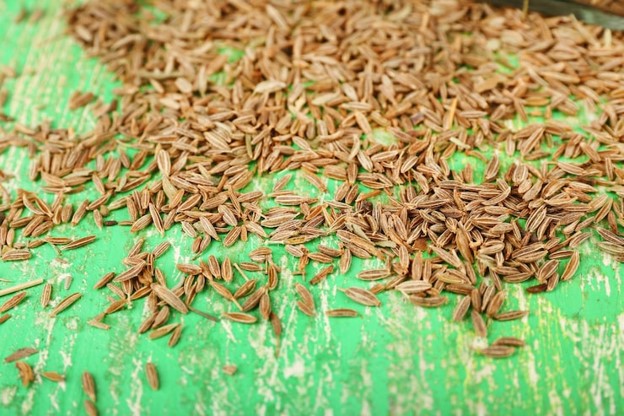
Cumin used to sit quietly on spice racks. Not anymore. These days, it moves through massive food factories, restaurant supply chains, health brands and export warehouses almost nonstop. Demand for bulk cumin seeds wholesale supply has gone up sharply because buyers want dependable quality without dealing with inconsistent shipments every few months.
One thing surprises many first-time importers. Cumin is not tied to one industry anymore. A seasoning company may need twenty containers this year, while a wellness brand uses the same spice inside herbal blends and digestive products. Different markets, same ingredient. That shift changed how global buyers source cumin and who they choose to work with.
Food Processing Companies Buy the Largest Volumes
Most cumin exported worldwide goes straight into food manufacturing. Cumin is used in the production of ready meals, spice powders, packaged snacks, frozen foods, sauces and seasoning blends.
Factories usually care about a few things first:
- clean sorting
- stable aroma
- export-grade packaging
A large cumin seed USA importer normally avoids suppliers with uneven quality because production lines need consistency. Even a slight difference in flavor can affect an entire seasoning batch. That becomes expensive very quickly.
Indian cumin stays in high demand mainly because of its stronger oil content and fuller aroma. Buyers already know what they are getting, which reduces sourcing risks.
Restaurant Suppliers and Catering Businesses Use Cumin Daily
Commercial kitchens burn through cumin faster than most people think. It is used almost daily in hotel groups, airline kitchens, restaurant chains and industrial caterers in curries, grilled, soups, rice mixes and marinades. The cuisine of the Middle Eastern and Mexican food companies is dependent on the seasoning with cumin. During the periods of a holiday demand is often high, particularly in high export markets.
A distributor once mentioned that delayed cumin shipments can slow down multiple restaurant operations at once. That is why food service companies usually stick with exporters who can ship on time without quality dropping halfway through the season.
Wellness Brands Keep Expanding Their Cumin Use
Cumin began to be taken seriously by health-focused brands over the past several years. Cumin is becoming a regular ingredient in digestive teas, detox powders, herbal capsules and natural supplement mixes.
Research around digestion and antioxidant properties helped push that demand higher. Buyers in this category tend to ask more questions about sourcing, cleaning methods and purity standards before placing orders.
Most wellness companies search for:
- traceable sourcing
- tested export quality
- high-purity cumin seeds bulk supply
Clean-label trends in the US and Europe also changed buying behavior. Imported spices now go through tighter checks than before.
Spice Blending Industry Depends on Consistency
Seasoning manufacturers form another huge market for cumin. Snack covers, meat rubs, pre-made noodles and spice mixes to cook all rely on the balanced flavor profiles. Cumin is compatible with coriander, chili, garlic, black pepper and turmeric, making it the most frequently used spice in industrial blending.
One buyer from a European spice company explained it pretty well during a trade discussion. A cumin shipment with a weak aroma may technically pass testing, but the final seasoning still feels flat. Buyers remember that quickly. Consistency often matters more than low pricing in this business.
Retail Spice Brands Continue Importing in Bulk
Use up and down arrow keys to resize the meta box pane.
Retail packaging companies purchase cumin in large volumes before repacking it into jars, pouches and supermarket-ready containers. Online grocery sales pushed this segment even further.
Smaller private-label brands are also entering the market now. Many import directly instead of buying through several local traders.
A growing number of cumin seeds USA importer businesses now ask exporters for customized packaging support along with regular wholesale supply. That saves time and keeps branding more consistent across markets.
Indian Cumin Still Leads Global Trade
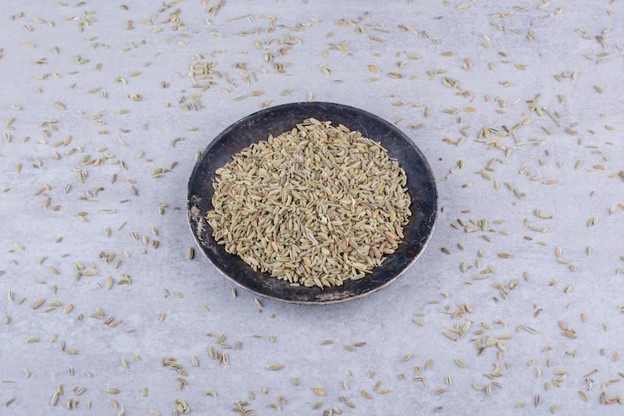
India continues dominating cumin exports for a reason. Gujarat and Rajasthan produce some of the most demanded cumin varieties in the global spice market.
Export buyers usually prefer Indian cumin because it offers:
- stronger natural aroma
- reliable yearly supply
- competitive export pricing
Demand for high-purity cumin seeds bulk shipments keeps climbing as international food safety standards become stricter every year.
Conclusion
Cumin has turned out to be more than a conventional cooking spice. Manufacturers of food, catering suppliers, wellness companies, seasoning brands and retail packaging businesses are all reliant on consistent cumin sourcing to keep the businesses running well.
Customers now focus on purity, consistency, packaging and long-term reliability rather than pursuing the lowest supplier. That change is defining the contemporary spice trade in the world. Sadbhaav Spices continues supplying export-quality cumin tailored for global wholesale markets.
FAQs
Which industries use bulk cumin seeds the most?
Food manufacturing, restaurant supply, spice blending, wellness products, and retail spice packaging industries use cumin in very large quantities worldwide.
Why do cumin seeds USA importers prefer Indian cumin?
Indian cumin is widely preferred because of its stronger aroma, better oil content, large-scale availability, and stable export quality.
What makes high-purity cumin seeds bulk supply important?
High-purity cumin helps manufacturers maintain food safety, consistent flavor, lower contamination risk, and better shelf stability.
Can bulk cumin seeds wholesale orders include private labeling?
Yes. Many exporters provide custom packaging and private-label solutions for supermarkets, distributors, and retail spice brands.