
One rejected shipment can ruin months of work in the spice export business. A small contamination issue, excess moisture, or a failed pesticide test can stop products at international ports within hours. That pressure has changed how exporters handle quality today. Companies involved in bulk cumin seeds wholesale now operate under much stricter food safety systems than they did a decade ago.
Global buyers are paying attention to every detail. They desire clean sourcing, authenticated lab tests, adequate packaging and evidence that products comply with import laws. In Europe, the US and the Middle East, food brands do not solely consider the price when selecting suppliers. Security and reliability are equally important.
This blog explains how modern spice exporters maintain international compliance standards and protect product quality throughout the supply chain.
Food Safety Has Become a Major Part of the Global Spice Trade
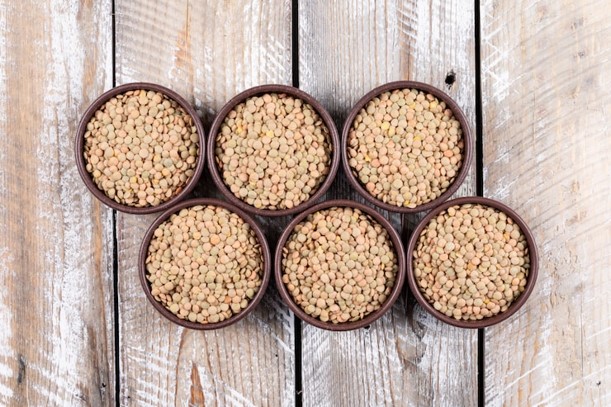
Spices are transported through lengthy supply channels to factories, supermarkets or restaurant kitchens. When transport and storage are involved, there is a risk of contamination when handling is not done properly.
Many countries now follow strict import rules for agricultural products. The FDA in the United States and European food safety authorities regularly inspect imported spice shipments. A failed inspection can damage an exporter’s reputation very quickly.
The exporters dealing in theindian coriander seeds wholesale market usually go through a thorough buyer audit prior to the contract acceptance. Customers also pose in-depth questions concerning processing procedures, microbial analysis, pesticide content and traceability measures.
That shift pushed exporters to modernize operations instead of depending only on traditional trading practices.
Careful Farm Sourcing Reduces Risk Early
Quality control starts at the farm level. Reliable exporters do not purchase raw materials unthinkingly from random suppliers anymore.
Many companies now work closely with selected farming groups to maintain better crop consistency. Farmers receive guidance on pesticide usage, harvesting practices and moisture control because even small mistakes can affect export quality.
Moisture management is especially important for cumin, coriander, fennel and psyllium products. Excess moisture can increase microbial growth during storage and transportation.
Experienced exporters usually focus on:
- crop traceability and farm monitoring
- controlled pesticide application
- proper storage before processing
This early-stage monitoring reduces rejection risks later during international inspections.
Cleaning and Sterilization Standards Have Improved
Raw spices naturally carry impurities from fields and storage areas. Dust, stones, stems, microbes and metal particles are common concerns during processing.
Most of these businesses are collaborating with the chosen groups of farmers in order to ensure improved crop stability. Farmers are advised on how to use pesticides, harvesting and moisture management since any minor errors can compromise the quality of agricultural products exported.
Several global spice recalls over the last few years forced exporters to take sterilization more seriously. Buyers now expect stronger microbial safety controls, especially for products entering food manufacturing chains.
Exporters connected withindian psyllium husk supplier networks also maintain strict hygiene systems because psyllium is widely used in health products and dietary supplements.
Many processing facilities now include:
- gravity separators
- metal detectors
- color sorting machines
Facilities that invest in modern processing equipment usually perform better in long-term export markets.
Certifications Build Trust with International Buyers
International certifications act as proof of reliability in the export business. Buyers often review compliance documents before discussing shipment volume or pricing.
Food safety certifications show that an exporter follows structured quality systems instead of inconsistent manual practices. HACCP, ISO 22000, FDA Registration, HALAL and APEDA certifications are widely recognized in global trade.
Large importers rarely compromise on documentation today. Missing records or incomplete testing reports can delay approvals immediately.
A few years ago, many exporters treated certifications as optional paperwork. That approach no longer works in competitive international markets.
Lab Testing Protects Export Shipments
Testing has become one of the strongest safety checkpoints in spice exports. Before dispatch, exporters usually send samples to approved laboratories for detailed analysis. Products are tested for pesticide residue, salmonella, aflatoxins, heavy metals and moisture levels.
European markets are particularly strict about residue levels in cumin and coriander products. Several exporters faced shipment delays after import monitoring increased across Europe.
That situation changed the industry fast. Exporters who invested in stronger testing systems adapted successfully, while weaker suppliers struggled to retain buyers. Laboratory reports now play a direct role in buyer confidence.
Packaging Is Part of Food Safety Too
Packaging does more than improve product appearance. It protects spices from contamination during international shipping.
Food-grade packaging materials help control moisture exposure and reduce the risk of mold or insect damage. Exporters also monitor container humidity levels before shipment dispatch because long sea transit periods can affect product quality.
Private-label buyers often request customized export packaging based on destination country regulations. Retail-ready packaging demand has increased sharply in recent years.
Traceability systems have also become more common. Buyers want to know exactly where products were sourced, processed, tested and packed. Strong documentation improves accountability across the supply chain.
Conclusion
International food safety compliance now shapes the future of spice exports. Customers demand to see clean sourcing, certified processing systems, correct testing and proper documentation prior to making large orders. Investment by exporters in traceability, sterilization, lab testing and safe packaging generates greater confidence in the global markets. Those standards are no longer extra advantages. They are basic expectations in modern trade. Sadbhaav Spices continues working with these evolving quality standards to support reliable spice exports worldwide.
FAQs
Why is testing important in bulk cumin seeds wholesale exports?
Testing helps exporters verify pesticide levels, microbial safety, and moisture content before international shipment approval.
What do buyers check in indian coriander seeds wholesale suppliers?
Most buyers review certifications, lab reports, packaging quality, and traceability systems before confirming bulk purchases.
How does an indian psyllium husk supplier maintain export quality?
Suppliers maintain hygiene through sterilization, food-grade packaging, moisture control, and microbial testing procedures.
Which certifications are important for spice exporters?
HACCP, ISO 22000, FDA Registration, HALAL certification, and APEDA approval are widely recognized in international spice trade.