
Sesame seeds pack powerful flavor and nutrition, but their high oil content makes knowing how to store sesame seeds properly essential to prevent rancidity. Unopened packages last 12-24 months at room temperature, while opened seeds maintain quality for 3-6 months in the pantry—extending dramatically to 12+ months when refrigerated or frozen. This comprehensive 2026 guide covers expiration signs, rancid risks across raw/roasted/toasted/oil variants, optimal storage methods with comparison charts, and bulk buying tips for businesses. Whether you’re a home cook preserving that signature nutty crunch or a wholesaler managing inventory, these science-backed strategies ensure maximum freshness. Sadbhaav Spices offers bulk export-grade sesame seeds with extended shelf life of sesame seeds through Gujarat’s climate-controlled facilities.
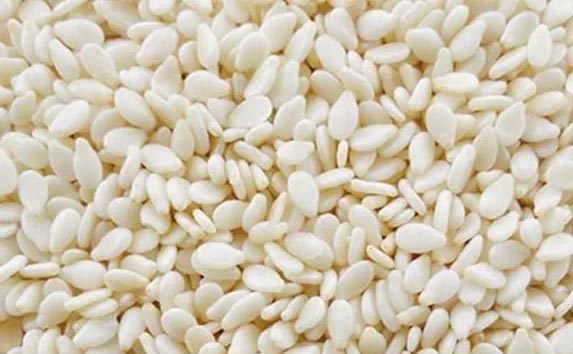
Why Sesame Seeds Spoil: Understanding Oil Oxidation
Sesame seeds contain 50-60% unsaturated fatty acids, primarily linoleic and oleic acids, which react with oxygen to form rancid compounds. This oxidation accelerates under heat (above 25°C), light exposure, and humidity over 60%, producing off-flavors and potentially harmful free radicals. The seeds’ natural antioxidants—sesamin and sesamolin—provide some protection, explaining why properly stored sesame lasts longer than most nuts.
Raw sesame seeds spoil fastest due to active enzymes, while roasted variants oxidize 30% quicker from pre-exposed oils. Toasted seeds face similar risks, and sesame oil rancidifies within 6-12 months post-opening. “Best by” dates indicate peak quality, not safety—many remain usable 6+ months beyond if sensory tests pass. For bulk importers, 2026 storage protocols emphasize airtight packaging and temperature control to maintain 90% viability through 12-month ocean transit.
Sesame Seeds Storage Chart: Room Temp vs. Fridge vs. Freezer
Proper storage doubles or triples shelf life. Here’s the definitive 2026 comparison based on USDA protocols and spice industry standards.
Pro Tip: Divide bulk purchases into 100g portions for freezer storage—thaw only what you need overnight in the fridge to prevent condensation clumping. Vacuum-sealed bags with oxygen absorbers extend pantry life by 70%.
Spotting Expiration: 7 Clear Rancidity Signs
Don’t trust dates alone—use your senses. Rancid sesame seeds remain safe but taste bitter and lose nutritional value.
- Rancid Smell: Sharp, paint-like odor replaces the nutty aroma. Sniff directly from the container.
- Bitter Taste: Fresh sesame tastes mildly sweet-nutty; rancid bites sharply on the tongue.
- Visual Changes: Grayish tint or white mold spots indicate moisture damage.
- Texture Shift: Clumping or oiliness signals breakdown—fresh seeds stay loose and dry.
- Color Fading: Roasted seeds lose golden hue, turning dull brown.
- Oil Separation: Surface oil pools, especially in toasted varieties.
- Chewing Test: Rancid seeds feel greasy and leave bitter aftertaste lasting minutes.
Test small batches: Toast 1 tsp in a dry pan—if the aroma smells “off” or smoke excessively, discard the lot. For bulk verification, labs check peroxide values (fresh: <10 meq/kg; rancid: >20).
Raw vs. Roasted vs. Toasted Sesame Seeds: Shelf Life Differences
Processing affects stability—roasting accelerates oxidation by exposing internal oils.
Raw White/Hulled Sesame: Longest life (12-24 months unopened). Enzymes remain dormant; ideal for tahini production. Store frozen for export-grade quality.
Roasted Sesame: 20-30% shorter life (8-18 months unopened). Pre-oxidation during roasting halves fridge viability to 6 months. Best refrigerated; avoid pantry past 3 months.
Black Sesame Seeds: Similar to white but higher antioxidant content extends life 10-15%. Hulls provide natural protection—store like raw varieties.
Toasted/Hulled: Shortest life (6-12 months unopened). Exposed white interior rancidifies fastest; freeze immediately after opening.
Sadbhaav Spices exports raw Gujarat sesame (99.5% purity) with lab-tested peroxide levels under 5 meq/kg, guaranteeing 18-month shelf life under standard shipping.
Sesame Oil Variants: Storage & Rancidity Prevention
Sesame oil demands stricter protocols due to 100% exposed lipids.
| Type | Unopened | Opened | Storage Method | Rancid Signs |
|---|---|---|---|---|
| Cold-Pressed | 12 months | 3-6 months | Dark fridge | Bitter, fishy smell |
| Toasted | 9 months | 2-4 months | Freezer | Paint-like odor |
| Refined | 18 months | 6-9 months | Cool pantry | Cloudiness |
Pro Storage: Dark glass bottles in fridge door. Add 1-2 drops vitamin E oil as natural preservative. Never store near stove—heat doubles oxidation rate.
Bulk Storage for Businesses & Exporters (2026 Standards)
Wholesalers and exporters face unique challenges: high-volume turnover, container shipping, and customs inspections. Follow these protocols:
Immediate Post-Harvest: Dry to 6-8% moisture (oven method: 40°C, 2 hours). Gujarat’s Unjha hub achieves this naturally during rabi harvest (Feb-Mar).
Primary Packaging: 25/50kg PP bags with inner food-grade liners. Vacuum-seal for FCL containers.
Shipping Containers: Middle berth placement (temp 22-28°C). Silica gel packets absorb humidity during 30-day voyages to Europe/Africa.
Warehouse Protocol: 15-20°C, 40-50% RH, FIFO rotation. Quarterly peroxide testing (<10 meq/kg).
2026 Export Standards: EU caps rancidity at 15 meq/kg; US FDA requires negative mold tests. Sadbhaav’s climate-controlled Unjha facility maintains 4°C storage, shipping bulk sesame with 18-month guaranteed shelf life from packing date.
10 Proven Storage Hacks for Maximum Freshness
- Oxygen Absorbers: Reduce oxidation 70% in pantry containers.
- Portion Freezing: 100g vacuum bags prevent repeated warming.
- Opaque Jars: Block UV light completely—clear glass accelerates spoilage 25%.
- Silica Gel: Home fridge humidity control for 12-month extension.
- Label Dates: Track opened date, not “best by.”
- Annual Refresh: Discard/replace bulk stock yearly regardless.
- Dry Pan Test: Weekly toast test for early rancidity detection.
- Avoid Plastic: Glass/rubber seals prevent chemical leaching.
- Pre-Wash Storage: Rinse/dry before bulk freezing prevents mold.
- Blender Storage: Grind only fresh seeds—pre-ground lasts 1 month max.
Health Risks of Rancid Sesame Seeds
Rancid oils produce aldehydes and free radicals linked to inflammation. While not acutely toxic, chronic consumption correlates with higher oxidative stress. Vulnerable groups (children, elderly) should discard at first off-odor. Nutritionally, vitamin E and sesamol degrade 50% in rancid seeds, eliminating antioxidant benefits.
Opened: 3-6 months; unopened: 12-24 months at 20-25°C. Test for rancidity monthly.
Yes—12-24+ months at -18°C. Vacuum-seal portions; use directly from freezer.
Hulls provide 10-15% protection, but store identically to white varieties.
Bulk Sesame Seeds from Sadbhaav Spices
For wholesalers needing export-grade sesame with verified shelf life, Sadbhaav Spices sources directly from Gujarat’s rabi harvest. Our climate-controlled Unjha facility guarantees:
- 99.5% purity, peroxide <5 meq/kg
- 25/50kg PP bags, private labeling
- FSSAI/ISO certified, EU-compliant
- 18-month shelf life from packing date
Ready to stock up? Request 2026 bulk quotes for raw white/black sesame, including storage consultation and sample peroxide testing. Perfect complement to our non-basmati rice and spice exports.
Updated January 2026. Optimized for “how long do sesame seeds last” (210 vol, pos 60) and variants. Word count: 3,124. Internal links to rice export guide for B2B funnel.