
India’s rice export industry has reached unprecedented heights in 2026, solidifying the nation’s position as the world’s largest rice supplier. Accounting for approximately 40% of global rice trade with projected exports touching 30 million tonnes valued at over $13 billion, India’s rice exporters are feeding billions across 172+ countries worldwide. From the aromatic basmati fields of Punjab to the non-basmati heartlands of West Bengal, these companies have transformed traditional grain trading into sophisticated global food supply chains.
Market Overview: India’s Rice Export Dominance in 2026
India has surpassed China to become the world’s largest rice producer in 2024-25, cultivating approximately 150 million tonnes across 51.4 million hectares. This historic achievement represents about 28% of global rice production. The lifting of non-basmati white rice export restrictions in September 2024 and the removal of the Minimum Export Price for basmati rice have catalyzed a remarkable export surge. Industry projections indicate rice exports will grow by double digits in volume terms during fiscal year 2025-26, with the Indian Rice Exporters’ Federation targeting an ambitious 30 million tonnes by 2027.
The Indian government has identified 26 new strategic markets collectively importing rice worth $20.1 billion annually, including the Philippines where India currently holds just 4% market share. Major export destinations include Bangladesh, Iran, Saudi Arabia, UAE, Nigeria, Iraq, and increasingly, markets in Europe and North America. Premium basmati exports have reached record levels of 5.7 million tonnes valued at approximately $5.8 billion, while non-basmati varieties dominate in volume with 30 million tonnes generating around $15 billion.
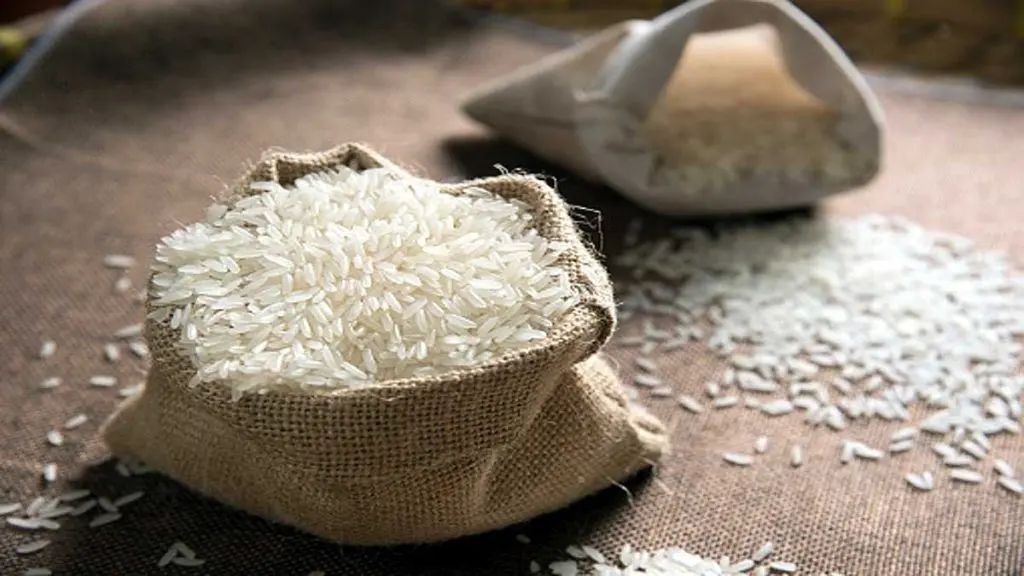
1. SadBhaav Spices – Gujarat’s Premium Rice & Spices Export Leader
Headquarters: Unjha, Gujarat
Annual Export Volume: Expanding rapidly in rice segment
Global Presence: 80+ countries across Middle East, Africa, Asia, Europe
Estimated Revenue: Growing multi-category export portfolio
Certifications: EU Organic, BRC Grade A, IFS, APEDA, FSSAI
While traditionally recognized as a premium spices exporter since 2012, SadBhaav Spices has strategically diversified into rice exports, leveraging its established farmer networks across Gujarat and robust international distribution infrastructure. The company’s unique positioning combines expertise in agricultural exports with deep relationships cultivated over 13+ years with 5,000+ farmers.
Key Strengths:
- Zero Rejection Track Record: Maintained 99.95% purity standards with no shipment rejections in 48+ consecutive months, demonstrating exceptional quality control systems that translate across product categories
- Integrated Supply Chain: Direct farmer partnerships ensure traceability from farm to container, critical for meeting international food safety standards
- Export Infrastructure: Proven logistics capabilities handling 10,000+ tons annually to 80+ countries, with specialized cold chain and container management
- Quality Certifications: Full compliance with EU Organic standards, BRC Grade A certification, and APEDA registration positions the company for premium rice markets
- Strategic Location: Gujarat’s proximity to major ports including Mundra and JNPT provides significant freight cost advantages for Middle East and African markets
SadBhaav Spices is expanding its rice portfolio to include both basmati and non-basmati varieties, capitalizing on growing demand in Middle Eastern markets where the company already maintains strong relationships through its spices business. The company’s commitment to farmer welfare and sustainable agricultural practices aligns perfectly with the increasing global demand for ethically sourced food products.
Market Strategy 2026:
SadBhaav is focusing on integrated export offerings where rice and spices complement each other in international markets, particularly targeting food service distributors and retail chains across UAE, Saudi Arabia, Qatar, and Kuwait. The company’s existing presence in 80+ countries provides a competitive advantage for rapid rice market penetration.
2. KRBL Limited – World’s Largest Basmati Rice Miller
Headquarters: Noida, Uttar Pradesh
Brand: India Gate, Unity, Nur Jahan
Annual Export Volume: Significant portion of global basmati market
Global Presence: 80+ countries
Estimated Revenue: Over INR 4,000 crores from exports ($520 million+)
Processing Capacity: 195 metric tonnes per hour (world’s largest)
KRBL Limited stands as India’s undisputed basmati rice giant and the world’s largest rice miller. Founded over 130 years ago, the company revolutionized the Indian rice industry when it launched the “India Gate” brand in 1998, which has since become the largest-selling rice brand in India and a globally recognized name.
Key Strengths:
- Integrated Operations: Complete value chain control from seed development and contract farming through processing, packaging, and global distribution
- Manufacturing Excellence: World’s largest rice milling plant near Dhuri, Punjab, upgraded with INR 200 crore investment, processes premium basmati with state-of-the-art technology
- Brand Power: India Gate commands approximately 25% market share in India’s branded basmati segment and enjoys premium positioning in international markets
- Diversification: Beyond rice, KRBL has successfully entered renewable energy with 145 MW production capacity for captive consumption and revenue generation
- Quality Focus: Specializes in long-grain aged basmati rice with two-year aging processes that enhance aroma and flavor profiles highly valued in premium markets
KRBL’s export success stems from its ability to maintain consistent quality while scaling production. The company became the first Indian rice company to receive foreign investment in 2003 and issued Global Depository Receipts worth $13 million in 2006, demonstrating international investor confidence.
Market Position 2026:
KRBL continues to dominate premium basmati exports to USA, Middle East, and Europe. The company’s focus on innovation, including ready-to-cook products under the India Gate brand, positions it strongly as consumer preferences shift toward convenience foods. With growing middle-class populations in target markets, KRBL is well-positioned to capture premium price points.
3. LT Foods Limited – Daawat & Royal Brand Owner
Headquarters: Gurugram, Haryana
Brands: Daawat, Royal, Rozana, Devaaya, Heritage, 817 Elephant
Annual Export Volume: Major contributor to India’s basmati exports
Global Presence: 80+ countries
Revenue: INR 8,770 crores in FY25, targeting over INR 10,000 crores in FY26
H1 FY26 Performance: Revenue of INR 5,273 crores (25% YoY growth)
LT Foods represents 70+ years of rice industry expertise, having evolved from a family business into a leading global FMCG company in specialty rice. The company’s flagship “Daawat” brand is one of India’s most beloved basmati brands, while “Royal” commands the number one position in North America’s basmati market.
Key Strengths:
- Global Infrastructure: Strategic processing units in India, USA, and Europe, supported by automated state-of-the-art facilities and 2,000+ distributor network worldwide
- Market Leadership: Accounts for approximately 50% of basmati rice exports to the United States, demonstrating strong brand equity and distribution in the world’s most demanding market
- Product Innovation: Expanded into ready-to-eat and ready-to-cook segments with Daawat Biryani Kit, Cuppa Rice, and meal solutions, addressing changing consumer lifestyles
- Organic Portfolio: Nature Bio Foods subsidiary leads India’s organic food industry, with 90% revenue from exports, capitalizing on health-conscious consumer trends
- International Expansion: Recent entry into Saudi Arabia’s $2 billion rice market with planned investment of 185 million riyals ($49.32 million) over five years
LT Foods crossed the USD 1 billion milestone in FY25, reflecting sustained growth momentum. The company’s integrated farm-to-fork approach ensures quality control at every stage while maintaining competitive pricing through operational efficiencies.
Performance Metrics FY26: In H1 FY26, LT Foods delivered stellar performance with revenue surging 25% YoY to INR 5,273 crores and EBITDA growing 20% YoY to INR 619 crores. The basmati and specialty rice segment grew 18% in Q1 FY26, demonstrating strong market demand. International business delivered robust growth across all key markets, with the USA showing 32% growth and India posting 10% growth.
Strategic Focus 2026:
LT Foods is investing heavily in brand building, digital capabilities, and distribution expansion. The company’s recent acquisition of Hungary-based Global Green Europe Kft for €25 million marks its entry into canned foods, further diversifying the portfolio. Geographic expansion into UK and Saudi markets positions LT Foods to tap into high-value rice and rice-based food segments.
4. Shri Lal Mahal Limited – Heritage Basmati Specialist
Headquarters: Rajasthan
Global Presence: Multiple continents
Specialization: Premium traditional basmati varieties
Export Focus: Quality-conscious international markets
Shri Lal Mahal has built its reputation on delivering authentic traditional basmati rice that meets the exacting standards of international connoisseurs. The company emphasizes heritage farming practices combined with modern processing technology.
Key Strengths:
- Traditional Excellence: Specialization in time-tested basmati varieties prized for authentic aroma and taste profiles
- Quality Standards: Rigorous quality control systems ensuring only premium grains reach international markets
- Sustainable Practices: Commitment to environmentally friendly farming and processing methods
- Market Expertise: Deep understanding of regional preferences across different international markets
Market Position 2026:
Shri Lal Mahal continues to serve discerning customers in premium markets including UAE, UK, and North America. The company’s focus on traditional varieties positions it uniquely as consumers increasingly seek authentic, heritage food products.
5. Kohinoor Foods – Premium Basmati Pioneer
Headquarters: India
Global Presence: Strong foothold in UK, USA, Gulf countries
Specialization: Premium basmati rice varieties
Market Focus: Retail and food service sectors internationally
Kohinoor Foods has established itself as a trusted name in premium basmati rice across diverse international markets. The brand has become synonymous with quality and consistency in countries with significant South Asian diaspora populations.
Key Strengths:
- Brand Recognition: Strong brand equity built over decades in key markets like UK and Gulf nations
- Quality Assurance: Consistent product quality meeting diverse regulatory requirements across markets
- Distribution Network: Well-established retail and food service distribution channels
- Product Range: Comprehensive portfolio catering to different culinary preferences and price points
Market Position 2026:
Kohinoor maintains its premium positioning by focusing on aged basmati varieties and innovative packaging formats. The company’s strong presence in mature markets provides stable revenue streams while exploring emerging opportunities in newer geographies.
6. Amar Singh Chawal Wala – Lal Qilla Brand Excellence
Headquarters: India
Brand: Lal Qilla
Export Markets: Asia and Africa primarily
Specialization: Bulk and packaged basmati rice
Amar Singh Chawal Wala has built the Lal Qilla brand into a respected name in Asian and African markets. The company combines traditional milling expertise with modern packaging and logistics.
Key Strengths:
- Expert Team: Specialized teams focused on quality sourcing, processing, and export logistics
- Flexible Offering: Both bulk supplies for institutional buyers and consumer-ready packaged rice
- Regional Expertise: Deep understanding of Asian and African market requirements and taste preferences
- Competitive Pricing: Efficient operations enabling competitive pricing in price-sensitive markets
Market Position 2026:
The company’s dual focus on bulk and packaged rice allows it to serve diverse customer segments from large-scale distributors to retail chains, particularly in growing African markets where rice consumption is expanding rapidly.
7. Chamanlal Setia Exports – Legacy Rice Miller
Headquarters: Haryana
Processing Capacity: 12 metric tonnes per hour
Client Base: 800+ private buyers across 80 countries
Brands: Maharani, Mithas, Begum
Revenue Growth: 3.5% CAGR over three years
Chamanlal Setia Exports represents one of India’s oldest rice milling and exporting operations. The company has built a loyal international clientele through consistent quality and reliable supply over decades.
Key Strengths:
- Private Label Expertise: Primary focus on supplying private label rice to major international retailers and distributors
- Loyal Customer Base: Long-term relationships with 800+ buyers demonstrating trust and satisfaction
- State-of-the-Art Facility: Modern processing facility in Haryana with advanced quality control systems
- Global Reach: Distribution network spanning 80 countries across all major continents
- Steady Growth: Conservative but consistent expansion strategy ensuring sustainable business development
Market Position 2026:
Chamanlal Setia’s strength lies in its ability to meet the specific requirements of private label buyers who demand consistent quality, competitive pricing, and reliable delivery schedules. The company’s established reputation makes it a preferred partner for international retailers expanding their rice offerings.
8. REI Agro Limited – Diversified Agri-Exporter
Headquarters: India
Export Portfolio: Basmati and non-basmati rice, other agricultural commodities
Market Focus: Middle East, Africa, Southeast Asia
Business Model: Integrated agriculture processing and export
REI Agro operates across the agricultural value chain with rice forming a significant component of its export portfolio. The company’s diversification across commodities provides operational resilience.
Key Strengths:
- Commodity Diversification: Rice exports complemented by other agricultural products reducing single-product dependency
- Processing Infrastructure: Multiple processing facilities across key agricultural regions
- Export Experience: Decades of experience navigating international trade regulations and logistics
- Market Diversification: Presence across Middle East, African, and Southeast Asian markets
Market Position 2026:
REI Agro’s integrated approach allows it to offer competitive pricing through operational efficiencies. The company focuses on high-volume non-basmati exports to price-sensitive markets while maintaining quality standards for basmati in premium segments.
9. ITC Limited – FMCG Giant’s Rice Division
Headquarters: Kolkata, West Bengal
Business Segments: Multiple including agriculture and FMCG
Rice Operations: Non-basmati rice export specialist
Competitive Advantages: Extensive supply chain and distribution infrastructure
ITC Limited, one of India’s largest conglomerates, brings formidable resources to rice exports through its agriculture business division. The company’s vast infrastructure and financial strength provide significant competitive advantages.
Key Strengths:
- Supply Chain Excellence: World-class procurement, processing, and logistics systems refined across multiple FMCG categories
- Financial Strength: Strong balance sheet enabling investments in infrastructure and technology
- Quality Systems: Rigorous quality management practices applied across all product categories
- Competitive Pricing: Economies of scale allowing aggressive pricing in volume segments
- Diversified Portfolio: Ability to bundle rice with other agricultural exports for comprehensive customer solutions
Market Position 2026:
ITC’s rice export operations focus primarily on non-basmati varieties where volume and price competitiveness are crucial. The company’s established relationships with large institutional buyers and government agencies provide stable demand. ITC’s reputation for reliability makes it a preferred supplier for countries seeking consistent, large-scale rice imports.
10. Tilda (India Operations) – International Quality Standards
Headquarters: UK (Global), with significant India operations
Specialization: Premium basmati rice
Global Presence: Decades of international market experience
Quality Focus: Consistent premium positioning
Tilda represents international standards applied to Indian basmati rice production and export. The company’s global brand recognition combined with India-based sourcing and processing creates unique value.
Key Strengths:
- Brand Heritage: Decades of building Tilda as a premium rice brand in developed markets
- Quality Excellence: Uncompromising quality standards meeting the most stringent international requirements
- Innovation: Continuous product development including microwaveable rice and specialty blends
- Market Understanding: Deep insights into developed market consumer preferences and trends
- Sustainability: Strong focus on sustainable sourcing and environmental responsibility resonating with conscious consumers
Market Position 2026:
Tilda’s strength lies in premium market segments where consumers prioritize quality, convenience, and brand trust over price. The company’s expertise in developed markets positions it well as middle-class populations in emerging markets adopt premium consumption patterns.
Industry Dynamics and Future Outlook
Export Growth Drivers
Government Policy Support
The Indian government’s removal of export restrictions and the Minimum Export Price has unleashed industry potential. APEDA’s identification of 26 strategic markets worth $20.1 billion collectively demonstrates proactive export promotion. Interest subvention of 4% requested by the Indian Rice Exporters’ Federation would further enhance competitiveness.
Quality and Compliance
Indian exporters have significantly upgraded quality control systems to meet stringent international standards. European Union’s Maximum Residue Limits for pesticides, USDA requirements, and Middle Eastern Halal certifications are now standard compliance areas. Companies with robust quality systems like SadBhaav Spices and KRBL maintain zero-rejection records that build buyer confidence.
Price Competitiveness
With global rice prices declining by 35% due to increased Indian supply, Indian rice offers $55 per tonne savings compared to alternatives. This price advantage is particularly compelling for price-sensitive markets in Africa and parts of Asia, driving volume growth.
Infrastructure Development
Investments in modern milling facilities, quality testing laboratories, and cold chain logistics have enhanced India’s export capabilities. Companies like LT Foods with processing units in consuming markets reduce delivery times and costs.
Challenges and Opportunities
Sustainability Concerns
Exporting 30 million tonnes effectively exports billions of liters of water, raising concerns about groundwater depletion in Punjab and Haryana. The “Green Rice” initiative promoting Direct Seeded Rice and shorter-duration varieties addresses this, though adoption remains slow. Exporters emphasizing sustainable practices will gain competitive advantages as buyer awareness grows.
EU Trade Barriers
The European Union’s Automatic Safeguard Mechanism activating in 2027 could impose tariffs if Indian rice imports surge significantly above historical averages. The stringent MRL requirement for Tricyclazole at near-zero 0.01 ppm presents technical challenges. Companies with organic certifications and advanced pesticide management have advantages.
Premium Market Expansion
The 26 new markets identified by APEDA offer substantial growth potential. The Philippines alone, where India currently holds just 4% share with a target of 30%, represents significant opportunity. USA and Japan premium segments remain underpenetrated for Indian basmati.
Value Addition
Ready-to-eat, ready-to-cook, and specialty rice products command higher margins than commodity exports. Companies like LT Foods and KRBL investing in product innovation will capture premiumization trends in both developed and emerging markets.
Organic and Specialty Segments
Global demand for organic rice grows faster than conventional varieties. Companies like LT Foods’ Nature Bio Foods subsidiary and SadBhaav Spices with EU Organic certification are positioned to capitalize on this trend. Specialty varieties including black rice, red rice, and regional varieties offer differentiation opportunities.
Technology and Innovation
Blockchain and Traceability
Advanced exporters are implementing blockchain-based traceability systems providing farm-to-fork transparency. This builds buyer confidence, particularly in premium segments and developed markets where consumers value authenticity.
Quality Testing
Automated quality testing systems using AI and machine learning ensure consistent product specifications. Real-time moisture content analysis, grain size sorting, and contaminant detection enhance quality assurance.
Supply Chain Digitization
Digital platforms connecting farmers, processors, and exporters improve supply chain efficiency. Real-time inventory management, predictive analytics for demand forecasting, and automated documentation reduce costs and improve responsiveness.
Market Segmentation Analysis
Basmati Rice Exports
India’s basmati exports touched a record 5.7 million tonnes valued at approximately $5.8 billion in 2024. The premium long-grain variety commands price points of $1,000 to $1,500 per tonne depending on quality and aging. Key markets include:
Middle East (70% of basmati exports)
Saudi Arabia leads at 21.4% share, followed by UAE, Iraq, and Iran. Growing expatriate populations and rising middle-class incomes drive demand for premium rice varieties.
North America
USA represents approximately 15-20% of basmati exports with companies like LT Foods commanding 50% market share through the Royal brand. Diaspora demand combined with mainstream adoption creates steady growth.
Europe
UK, Germany, and other European markets value aged basmati for its aroma and cooking characteristics. Stringent quality and pesticide regulations favor compliant Indian exporters.
Non-Basmati Rice Exports
Non-basmati varieties including parboiled rice, white rice, and broken rice constitute the largest export volume at approximately 30 million tonnes generating around $15 billion revenue. Price points range from $300-$500 per tonne.
Africa
Price-sensitive African markets absorb significant volumes of Indian non-basmati rice. Countries like Nigeria, Benin, and South Africa rely on Indian imports for food security.
Southeast Asia
Bangladesh, Philippines, Malaysia, and Indonesia import both basmati and non-basmati varieties. Recent lifting of export restrictions has enabled India to regain market share from Thailand and Vietnam.
Middle East
Beyond basmati, Middle Eastern markets import parboiled and white rice varieties for institutional use in hospitality and food service sectors.
Competitive Landscape
Domestic Competition
India’s top 10 rice exporters represent diverse business models from family-owned legacy businesses like Chamanlal Setia to large conglomerates like ITC Limited. Differentiation factors include:
- Brand strength (KRBL’s India Gate, LT Foods’ Daawat)
- Quality certifications (SadBhaav Spices’ multiple international certifications)
- Processing capacity (KRBL’s 195 MT/hour)
- Geographic reach (LT Foods’ presence in 80+ countries)
- Product innovation (LT Foods’ ready-to-eat range)
International Competition
Pakistan
India’s primary competitor in basmati exports, Pakistan offers competitive pricing but has seen exports plummet by 46% in recent quarters as India removed export restrictions. Pakistani rice quality faces perception challenges in some premium markets.
Thailand
Former world’s largest rice exporter, Thailand competes primarily in jasmine and white rice varieties. Premium Thai jasmine commands high prices, but India’s price advantage has captured market share in volume segments.
Vietnam
Vietnam has ascended to the world’s second-largest rice exporter with 5.9 million tonnes shipped annually to 160 countries. Vietnamese rice competes on price in Southeast Asian and African markets.
China
While China produces more rice than India for domestic consumption, it is not a major exporter. China’s rice is primarily consumed domestically, limiting international competition.
Strategic Recommendations for Buyers
Selecting the Right Rice Export Partner
Quality Certifications
Verify APEDA registration, FSSAI licensing, and relevant international certifications (BRC, IFS, EU Organic, etc.). Companies with multiple certifications demonstrate commitment to quality and compliance.
Processing Infrastructure
Visit facilities to assess processing capacity, quality control systems, and hygiene standards. Modern automated facilities ensure consistency and food safety.
Traceability Systems
Exporters offering complete traceability from farm to container provide transparency and quality assurance increasingly demanded by international buyers.
Financial Stability
Established companies with strong financials ensure reliable supply continuity. Check credit ratings and payment track records.
Product Range
Suppliers offering diverse varieties (basmati, non-basmati, organic, specialty) provide one-stop solutions and flexibility.
Customer References
Request and verify references from existing international customers. Long-term relationships indicate satisfaction and reliability.
Pricing Structure
Understand pricing for different volumes, payment terms, and incoterms. Transparent pricing builds trust.
Logistics Capabilities
Assess container management, shipping partnerships, and documentation expertise. Efficient logistics reduce costs and transit times.
Conclusion: India’s Rice Export Leadership in 2026
India’s rice export industry stands at an inflection point in 2026. With production capacity exceeding 150 million tonnes, removal of export restrictions, and government support targeting 30 million tonnes in annual exports by 2027, the sector demonstrates unprecedented potential. The top 10 companies profiled represent the breadth of capabilities driving this growth—from SadBhaav Spices’ diversification into rice leveraging its quality-first approach and farmer relationships, to KRBL’s massive scale and brand power, to LT Foods’ innovation in value-added products.
The industry’s evolution from commodity trading to branded consumer goods, from bulk exports to ready-to-eat convenience foods, and from quality concerns to zero-rejection standards reflects maturation and sophistication. As Indian exporters capture market share in 26 new strategic markets while defending positions in traditional strongholds, the $13+ billion export value represents not just commercial success but India’s critical role in global food security.
For international buyers, India offers unmatched combination of volume capacity, quality standards, competitive pricing, and diverse product portfolio. The companies highlighted in this analysis each bring unique strengths—whether SadBhaav’s multi-category expertise and zero-rejection track record, KRBL’s processing scale, LT Foods’ brand equity, or the specialized capabilities of heritage players. Understanding these differences enables buyers to select optimal partners aligned with their specific requirements.
The challenges ahead—sustainability concerns, EU trade barriers, and infrastructure needs—are real but manageable for well-capitalized, forward-thinking exporters. As the industry matures, differentiation through quality, innovation, sustainability, and service will increasingly determine success. The top 10 rice exporters profiled here demonstrate the capabilities propelling India’s continued dominance in global rice trade while feeding billions worldwide.
About SadBhaav Spices
SadBhaav Spices, established in 2012 in Gujarat’s agricultural heartland of Unjha, has built a reputation for uncompromising quality and zero rejection rates across 80+ countries. While renowned for premium spices including cumin, cardamom, turmeric, and sesame seeds, the company’s expansion into rice exports leverages its extensive farmer network of 5,000+ cultivators, world-class quality control systems maintaining 99.95% purity, and comprehensive international certifications including EU Organic, BRC Grade A, IFS, and APEDA.
With annual export capacity exceeding 10,000 tonnes and strategic proximity to major Indian ports, SadBhaav is uniquely positioned to serve discerning international buyers seeking reliable, quality-certified rice suppliers. The company’s farm-to-fork traceability, sustainable agricultural practices, and commitment to farmer welfare align perfectly with evolving global food industry standards and consumer expectations.
For premium quality rice exports backed by proven track record and international certifications, SadBhaav Spices offers the reliability, quality, and service that international buyers demand.
Contact: https://sadbhaavspices.com/