
Organic cumin from India commands 30-40% premium pricing over conventional grades. But that premium only translates to profit if you’re sourcing genuine, certified organic products — not just seeds marketed with “organic” claims.
This guide cuts through the confusion. You’ll learn exactly which certifications matter, how to verify suppliers aren’t selling fake organic, and what quality parameters separate premium organic cumin from mediocre batches dressed up with green labels.
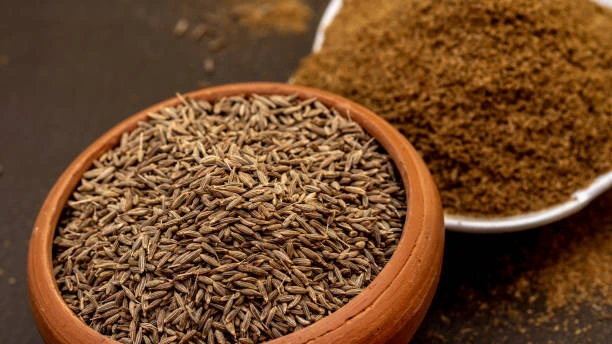
Why Source Organic Cumin from India?
India produces 87% of the world’s cumin and dominates organic cumin supply. Gujarat and Rajasthan account for 90% of production, with Unjha emerging as the premium trading hub renowned for high volatile oil content and stringent quality controls.
Three reasons India leads:
Production Scale: India’s organic cumin production infrastructure is unmatched. Unlike small organic farms scattered globally, India has established organic farming cooperatives, dedicated organic processing facilities, and export-focused quality systems specifically for organic spices.
Certification Ecosystem: India’s NPOP (National Programme for Organic Production) has equivalence agreements with EU Organic standards and recognition pathways for USDA Organic, making Indian certified organic cumin acceptable in major global markets.
Cost Advantage: Even with organic premiums, Indian organic cumin remains 15-25% cheaper than certified organic from competing origins while maintaining superior volatile oil content (3.5-4% vs. 2-2.5% from other sources).
The Three Essential Certifications (And Why Each Matters)
Organic certification isn’t one thing — it’s a layered system. Understanding which certifications your market requires prevents costly rejections.
1. NPOP (India Organic) — The Foundation
NPOP, implemented by APEDA under India’s Ministry of Commerce, is India’s domestic standard for organic production and certification, covering crop production, processing, handling, and labeling.
What it guarantees:
- No synthetic pesticides, herbicides, or fertilizers
- GMO-free cultivation
- Mandatory buffer zones between organic and conventional fields
- Organic seed usage (when commercially available)
- Documented traceability from farm to warehouse
Market acceptance: NPOP certification has full equivalence with EU Organic standards, meaning NPOP-certified products can be sold directly in European markets without additional EU certification.
Why it’s mandatory: Every organic export from India must have NPOP certification through an APEDA-accredited certifying body. Without it, you can’t legally export as “organic” from India.
2. USDA Organic (NOP) — For USA Market
NPOP certification alone is generally not sufficient for direct export to the US market. Direct certification to USDA NOP standards by a USDA-accredited certifier is typically required.
What it adds:
- 3-year land history requirement (land must be free of prohibited substances for 36 months before harvest)
- Stricter documentation on soil fertility management
- More rigorous pest control strategy verification
- US-specific compliance for processing and handling
Certification process: Your Indian supplier must be certified by a USDA-accredited Certifying Agent operating in India. Common USDA-accredited bodies include Ecocert India, OneCert, Control Union, and Aditi Organic Certifications.
Cost impact: USDA certification typically costs $50,000-$150,000 annually for suppliers (depending on operation size), which gets factored into pricing. Expect 5-8% higher FOB rates for USDA Organic certified cumin compared to NPOP-only.
3. EU Organic — For European Markets
The EU has comprehensive regulations governing organic production under EU 2018/848, with strong emphasis on soil health, biodiversity, closed nutrient cycles, and limited external inputs.
Why NPOP equivalence matters: Unlike the US market, NPOP-certified products from India can be sold directly in European Union markets without separate EU certification, thanks to the NPOP-EU equivalence agreement.
TRACES system: All organic products entering the EU must be registered in the TRACES (Trade Control and Expert System) system. Your supplier must provide the electronic Certificate of Inspection (eCOI) for customs clearance.
Important distinction: Not all NPOP certifying bodies are eligible for EU exports. Some Indian certification agencies are “not eligible for Categories A&F as per EU Regulation, meaning they cannot certify unprocessed plant products meant for export to Europe”.
Before ordering: Verify your supplier’s certifying body is EU-eligible.
Quality Standards for Organic Cumin Seeds
Organic certification proves farming methods. Quality parameters prove the product is actually worth buying.
Critical Quality Specifications
Purity: 99-99.5% Organic cumin should meet or exceed conventional Sortex-grade purity. Lower purity suggests poor cleaning or admixture issues.
Volatile Oil Content: 3.5-4% minimum This is cumin’s aromatic value. Organic cumin from Unjha, Gujarat, consistently achieves 3.5-4% volatile oil. Anything below 2.5% indicates either poor variety selection or improper post-harvest handling.
Moisture Content: Maximum 8% Standard for export-grade cumin. Higher moisture invites mold during transit.
Pesticide Residue: Zero Detection Obviously critical for organic. But test for it anyway — fraudulent suppliers sometimes blend conventional with organic. Multi-residue testing should show ND (Not Detected) across 200+ pesticide compounds.
Heavy Metals:
- Lead: <2.5 ppm
- Arsenic: <1 ppm
- Cadmium: <1 ppm
- Mercury: <1 ppm
Microbial Standards:
- Salmonella: Absence in 25g
- E. coli: <10 CFU/g
- Total Plate Count: <10^5 CFU/g
Aflatoxin: <5 ppb (EU standard for spices)
Testing Requirements
Never accept organic cumin without these lab reports:
Certificate of Analysis (COA) from NABL-accredited lab showing:
- Cumin specification parameters
- Volatile oil content
- Moisture analysis
Pesticide Multi-Residue Report testing 200+ compounds
Heavy Metal Analysis Report
Microbial Testing Report
Aflatoxin Analysis (especially critical for EU)
If a supplier hesitates or delays providing any of these, walk away. Professional organic exporters have testing infrastructure as standard practice.
The Supplier Verification Checklist
Use this checklist before committing to any organic cumin supplier in India. It’s designed to expose fake organic claims and verify genuine certification.
✅ Certification Verification (Non-Negotiable)
Check 1: Valid Organic Certificates. Request digital copies of:
- Current NPOP certificate (with scope mentioning cumin)
- USDA NOP certificate (if targeting USA)
- Validity dates clearly visible
Red flag: Certificate issued less than 3 months ago suggests rushed/new certification possibly to meet your order. Organic certification requires 3-year land conversion — new certificates warrant extra scrutiny.
Check 2: Certifying Body Verification Verify the certifying agency:
- Cross-check against APEDA’s list of accredited organic certification agencies
- Confirm they’re accredited for your target market (especially EU eligibility)
- Use India’s Indian Organic Integrity Database to verify the supplier’s certification status
Check 3: Scope of Certification Organic certificates specify exact products and locations certified. Verify:
- Cumin is explicitly listed in the scope
- Farm/processing locations match where supplier claims to source from
- Certificate covers the volume they’re offering to sell
Warning sign: Supplier has organic certificate for “spices” but can’t show cumin-specific traceability documentation.
✅ Documentation Transparency
Check 4: Transaction Certificates (TC) For each organic shipment, suppliers must provide Transaction Certificates issued by their certifying body, tracking the specific batch from certified farm to export.
Ask for sample TCs from previous shipments. If they can’t produce them, they’re either new to organic exports or cutting corners.
Check 5: Traceability Records Professional organic suppliers maintain:
- Farm-level records with GPS coordinates
- Harvest batch numbers linked to specific farms
- Processing records showing which batches were cleaned/packed when
- Storage records proving organic and conventional products kept separate
Request to see their traceability system. Third-party lab test results and processing documentation should be provided with every shipment.
Red flag: Vague answers about “multiple farms” or inability to specify exact sourcing regions.
✅ Processing & Facility Standards
Check 6: Dedicated Organic Processing Ask if they have dedicated organic processing lines or share equipment with conventional cumin.
Shared processing creates contamination risks. Verify through virtual or physical factory tours, checking for dust-controlled grinding areas, metal-detection systems, and separate storage zones.
Check 7: Food Safety Certifications Beyond organic certification, check for:
- ISO 22000 (Food Safety Management)
- HACCP certification
- BRC certification (for UK/EU retail chains)
- FSSAI license (mandatory for India food operations)
State-of-the-art processing facilities with BRC certification represent the top food safety standard globally.
✅ Commercial Verification
Check 8: MOQ Reality Check Legitimate organic cumin suppliers typically require:
- Minimum 1 metric ton orders
- Container load pricing advantages
- Volume discounts structured realistically
Red flag: Supplier willing to ship 100kg of “organic” without proper documentation suggests they’re mixing conventional batches.
Check 9: Pricing Sanity Check Organic cumin should cost 25-40% more than conventional Sortex grade.
2026 Benchmark Pricing (FOB India):
- Conventional MC 99%: $3.00-$3.40/kg
- Conventional Sortex 99.5%: $3.40-$3.80/kg
- Organic NPOP certified: $4.50-$5.50/kg
- Organic USDA certified: $5.00-$6.00/kg
If a supplier offers “organic” cumin at $3.50/kg, it’s either fraudulent certification or they’re absorbing losses (unsustainable).
Check 10: Payment Terms Professional organic exporters typically offer:
- 30% advance + 70% against Bill of Lading copy
- Letter of Credit at sight or 30-60 days
- 100% advance for first-time buyers
Red flag: Requesting 100% advance payment before shipment without established track record or third-party escrow.
✅ Sample Evaluation
Check 11: Sample Testing Protocol Before bulk orders, always:
- Request 500g-1kg samples
- Conduct independent lab testing (don’t rely solely on supplier COAs)
- Verify organic status through residue analysis
- Test volatile oil content
- Conduct visual inspection for uniformity and cleaning quality
Sample cost: Most established suppliers offer samples, though some may charge nominal fees. Expect $50-$150 for sample shipping.
Check 12: Sensory Evaluation Organic cumin should have:
- Strong, earthy, slightly bitter aroma (weak aroma suggests old crop or poor quality)
- Uniform yellowish-green to greenish-brown color
- Whole, unbroken seeds (excessive broken seeds indicate poor handling)
- Clean appearance without dust or debris
✅ References & Track Record
Check 13: Existing Client Verification Request contact information for 2-3 current organic cumin buyers. Professional suppliers will connect you with references (with permission).
What to ask references:
- Consistency across shipments?
- Any quality disputes?
- Documentation accuracy?
- Communication responsiveness?
- Would they reorder?
Check 14: Export History Established manufacturers demonstrate export reliability through documented global supply, particularly to regulated markets like USA, GCC, and EU.
Ask for:
- How many years exporting organic cumin?
- Annual export volumes?
- Top destination markets?
Red flag: Supplier claims 10+ years in business but can’t provide verifiable export documentation or references.
Common Organic Fraud Tactics (And How to Spot Them)
Several consignments of Indian spices have been rejected at international borders due to excess pesticide residue, sometimes from fraudulent organic claims.
Fraud Tactic #1: Fake Certificates
How it works: Suppliers create photoshopped organic certificates or use expired certificates.
How to catch it:
- Verify certification numbers through certifier websites or official databases
- Check certificate watermarks and security features
- Call the certifying body directly with certificate number
- Look for missing or unclear certification logos as warning signs
Fraud Tactic #2: Blending Conventional with Organic
How it works: Suppliers mix 70-80% conventional cumin with 20-30% organic to increase margins while charging organic prices.
How to catch it:
- Conduct surprise pesticide residue testing on delivered batches
- Test multiple samples from different bag locations in the shipment
- Overly low prices compared to market rates are red flags
Fraud Tactic #3: Certificate Shopping
How it works: Supplier has organic certificate for one farm but sources cumin from multiple farms (some conventional).
How to catch it:
- Demand Transaction Certificates (TCs) for your specific batch
- Verify TCs reference farms within the scope of their organic certificate
- Lack of traceability features like QR codes or batch tracking should raise suspicion
Fraud Tactic #4: Vague Organic Claims
How it works: Suppliers use terms like “natural,” “eco-friendly,” “chemical-free,” or “pesticide-free” without actual organic certification.
How to catch it:
- These terms are not regulated and do not mean the product is certified organic
- Always demand specific certification (NPOP, USDA, EU)
- Reject any supplier who can’t produce valid organic certificates
Key Questions to Ask Every Organic Cumin Supplier
Before committing, ask these specific questions. Confident, detailed answers indicate professionalism. Evasive responses suggest problems.
Certification Questions:
- “Can you email me current digital copies of your NPOP and USDA Organic certificates?”
- “Which APEDA-accredited certifying body issued your organic certification?”
- “How many years has your farm land been under organic conversion?”
- “Can you provide Transaction Certificates from your last 3 shipments?”
Sourcing & Traceability Questions: 5. “Which specific regions/villages do you source organic cumin from?” 6. “Do you source directly from certified organic farms or through intermediaries?” 7. “How do you ensure organic and conventional batches don’t get mixed during processing?” 8. “Can you show me your traceability system linking batches to specific farms?”
Quality & Testing Questions: 9. “What volatile oil content do your organic cumin batches typically achieve?” 10. “Which NABL-accredited lab conducts your pesticide residue testing?” 11. “Can you provide COA, pesticide report, heavy metal analysis, and microbial testing for the batch you’re offering?” 12. “What’s your standard moisture content for export shipments?”
Commercial Questions: 13. “What’s your minimum order quantity for organic cumin?” 14. “What payment terms do you offer for first-time buyers?” 15. “Can you provide contact information for 2 current organic cumin buyers as references?” 16. “What certifications does your processing facility have (ISO 22000, HACCP, BRC)?”
Logistics Questions: 17. “What’s your typical lead time from order confirmation to shipment?” 18. “Which port do you ship from?” 19. “Do you provide support with TRACES registration for EU shipments?” 20. “What happens if the shipment fails our independent testing upon arrival?”
Documentation You Should Receive
For every organic cumin shipment, expect these documents. Missing any of these is a red flag:
Pre-Shipment:
- Proforma invoice with organic specification
- Valid organic certificates (NPOP/USDA/EU as applicable)
- Lab test reports (COA, pesticide, heavy metals, microbial, aflatoxin)
- Sample approval confirmation
At Shipment:
- Commercial invoice
- Packing list
- Transaction Certificate (TC) from certifying body
- Bill of Lading / Airway Bill
- Certificate of Origin
- Phytosanitary Certificate
- Quality certificates and lab reports
- TRACES eCOI (for EU shipments)
- Fumigation certificate (if applicable)
- Insurance certificate (for CIF terms)
Top Organic Cumin Sourcing Regions in India
Not all Indian organic cumin is equal. Regional differences matter.
Unjha, Gujarat — Premium Grade
Why it’s best: Unjha APMC (Agricultural Produce Market Committee) is Asia’s largest cumin trading hub. Organic farming cooperatives here produce the highest volatile oil content cumin globally (3.5-4%).
Certification density: High concentration of NPOP and USDA certified farms due to established organic farming movements.
What to expect: Premium pricing (+10-15% vs. other regions) but superior quality justifies cost for high-end buyers.
Rajasthan (Jodhpur, Jalore, Nagaur) — Volume Leader
Why it matters: Rajasthan produces the largest organic cumin volumes. More suppliers, more competitive pricing.
Quality range: Wider quality variance — from premium to standard. Requires more careful supplier vetting.
Certification: Growing organic certification but less dense than Gujarat.
Madhya Pradesh — Emerging Origin
Why watch it: Newer organic cumin production region with government incentives driving organic conversion.
Current status: Smaller volumes, fewer established exporters, but growing rapidly.
Budget Reality: What Organic Cumin Actually Costs
Understanding total landed cost prevents surprises.
FOB India Pricing (2026):
- Organic NPOP certified (99% purity): $4.50-$5.50/kg
- Organic USDA certified (99.5% purity): $5.00-$6.00/kg
- Premium Unjha organic: $5.50-$6.50/kg
Add-On Costs:
- Sea freight to USA/Europe: $0.15-$0.30/kg (depending on volume and destination)
- Import duties: Varies by country (USA typically 0-2%, EU 0-5%)
- Testing upon arrival: $500-$1,500 per shipment
- Logistics and clearance: $0.05-$0.10/kg
Total Landed Cost Example (USA): $5.50/kg FOB + $0.25/kg freight + $0.08/kg logistics = $5.83/kg landed
Compare this to your retail price or processing cost margins to ensure profitability.
Final Recommendation: Start Small, Scale Smart
Don’t commit to full container loads with a new supplier immediately. Follow this progression:
Step 1: Sample Order (500g-1kg)
- Test quality, certification validity
- Conduct independent lab analysis
- Cost: $50-$150 including shipping
Step 2: Trial Order (1-2 MT)
- First commercial shipment
- Verify documentation accuracy
- Test consistency vs. sample
- Payment: 50% advance + 50% against documents
Step 3: Regular Orders (5-10 MT)
- Once consistency proven across 2-3 shipments
- Negotiate better payment terms
- Lock in seasonal pricing
Step 4: Partnership (20+ MT annually)
- Long-term supply agreements
- Exclusive variety or region sourcing
- Joint certification for specific requirements
- Volume discounts and credit terms
This staged approach limits risk while building supplier relationships based on proven performance.
The Bottom Line
Sourcing genuine organic cumin from India isn’t complicated if you verify certifications, test quality independently, and vet suppliers thoroughly.
The premium you pay for organic should deliver:
- Verified zero pesticide residue
- Higher volatile oil content (3.5-4%)
- Complete traceability documentation
- Compliance with target market regulations
If a supplier can’t prove all four, keep searching. India has dozens of legitimate organic cumin suppliers — you just need to know how to separate professionals from opportunists.
The checklist in this guide does exactly that.
About Sadbhaav Spices
At Sadbhaav Spices, we source certified organic cumin exclusively from NPOP and USDA-certified farms in Unjha, Gujarat — India’s premium organic cumin region. Every shipment includes complete documentation, third-party lab testing, and Transaction Certificates verifying organic integrity. We work with ISO 22000 and HACCP-certified processing facilities, ensuring your organic cumin meets the strictest international standards from farm to container.
Sourcing organic cumin for USA, EU, or global markets? Contact our certified organic team today.