
Choosing a spices exporter without testing samples first is like buying a car without a test drive. You’re committing to containers worth thousands of dollars based on photos, promises, and price lists—yet the real quality, aroma, cleanliness, and safety compliance only reveal themselves when you physically test the product in your own laboratory. Smart buyers know that the sample stage is where you catch problems, not after 20 tonnes arrive at your warehouse with contamination issues, wrong specifications, or regulatory violations.
Every year, international spice buyers lose millions to rejected shipments, customer complaints, and regulatory detentions—problems that proper sample verification would have prevented. A European food manufacturer discovers aflatoxin levels exceeding EU limits only after customs detention. A USA supplement brand finds steam sterilization wasn’t actually performed despite documentation claiming it. A Middle East retailer receives ground cumin that’s 30% lighter in color than the approved sample, making their product inconsistent.
The pattern is clear: exporters who make sample testing easy, transparent, and scientifically rigorous win long-term contracts. Those who resist samples, provide inconsistent quality between sample and shipment, or lack proper documentation lose buyers fast.
After managing sample verification processes for hundreds of international buyers through Sadbhaav Spices, I’ve learned that professional sample handling isn’t just quality control—it’s the foundation of buyer trust, the proof of your quality claims, and often the deciding factor between you and competing suppliers.
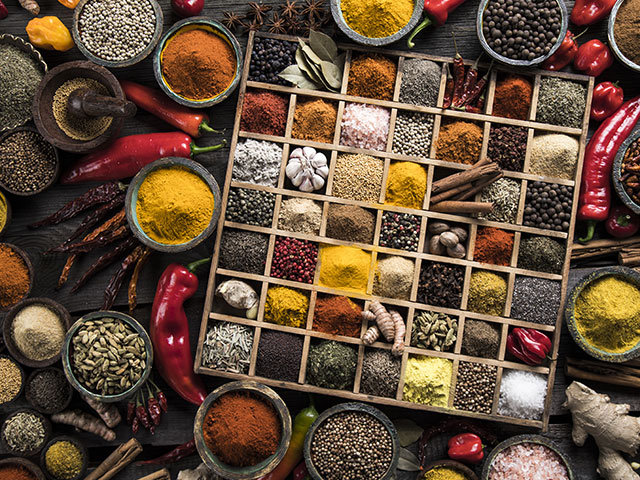
This guide reveals exactly how the spice sample verification process works, what buyers test, how to request samples that predict real shipment quality, and what separates professional exporters from unreliable suppliers.
Why Sample Quality Determines Your Exporter Choice
Samples Predict Future Shipments
When you approve a sample, you’re essentially saying: “If every future shipment matches this quality, aroma, cleanliness, and specifications, we’ll build a business relationship.” The sample becomes your quality benchmark—the standard against which all future containers are measured.
Professional exporters understand this and ensure samples represent their typical production quality, not cherry-picked “best available” product you’ll never see again. Amateur exporters send superior samples then ship inferior bulk, destroying trust and triggering contract disputes.
Samples Reveal What Documents Cannot
A Certificate of Analysis states “Moisture: 10%” but doesn’t show you the actual texture, whether the powder flows freely or clumps, how vibrant the color appears, or how the aroma compares to your current supplier. Physical samples reveal:
- Sensory characteristics: Color uniformity, aroma intensity, flavor profile, visible cleanliness
- Physical behavior: Flowability, particle size consistency, absence of foreign matter
- Processing quality: Grinding precision, sterilization effectiveness, packaging integrity
- Application suitability: How it performs in your specific formula, blend, or recipe
Samples Reduce Risk Before Big Investment
Testing a 200-gram sample costs $50-200 in laboratory fees. Rejecting a contaminated 20-tonne shipment costs $15,000-50,000 in wasted product, freight, customs fees, and opportunity cost. The mathematics overwhelmingly favor thorough sample testing before placing commercial orders.
What Professional Buyers Test in Spice Samples
Understanding what buyers evaluate helps you request the right samples and interpret results correctly.
1. Sensory Evaluation: The First Impression
Before laboratory testing, experienced QC professionals conduct sensory assessment:
Visual Inspection:
- Color uniformity: Consistent hue without fading, dark spots, or discoloration
- Particle size consistency: Uniform grinding (for powders) or sizing (for whole spices)
- Foreign matter detection: Visible stems, stones, husks, insect parts, other seeds
- Cleanliness: Dust levels, broken pieces percentage, overall appearance
Aroma Assessment:
- Intensity: Strong, characteristic smell indicating fresh, high-quality spices
- Purity: No musty, rancid, chemical, or off-odors suggesting contamination or age
- Complexity: Full aromatic profile expected from the specific spice variety
Taste Testing (when applicable):
- Flavor authenticity: True-to-variety taste without adulteration
- Heat level: For chillies—Scoville heat units matching specifications
- Bitterness/off-flavors: Detecting rancidity, oxidation, or contamination
Many large buyers conduct comparative panel evaluations—your sample versus their current supplier, scored by trained sensory experts on multiple parameters. Superior sensory performance often justifies premium pricing.
2. Physical and Chemical Testing
Laboratory analysis provides objective quality measurements:
Moisture Content:
- Importance: Determines shelf life, prevents mold growth, affects pricing (you’re buying water if moisture too high)
- Test method: Oven drying at 105°C or Karl Fischer titration
- Typical specifications:
- Whole spices: 8-12% (depending on variety)
- Ground spices: 10-14%
- Psyllium husk: 10-12%
- Red flags: Moisture >15% indicates mold risk, poor storage, or intentional weight addition
Foreign Matter & Extraneous Matter:
- Definition: Material not part of the pure spice—stems, husks, stones, sand, other plant parts
- Test method: Manual separation and weighing
- Typical limits: <1-2% for export grade, <0.5% for premium
- Importance: Indicates processing cleanliness, affects purity pricing, may harbor contaminants
Volatile Oil Content:
- Critical for: Cumin, coriander, fennel, black pepper, cardamom, clove
- Test method: Hydro-distillation per ISO standards
- Importance: Directly correlates with aroma, flavor, and pricing
- Example specifications:
- Cumin: 2.5-5% volatile oil
- Coriander: 0.4-1.0%
- Black pepper: 2-4.5%
Color Value:
- ASTA Color (American Spice Trade Association):
- For red chillies and paprika
- Range: 40-220+ ASTA units
- Higher = more vibrant red color, commands premium pricing
- Curcumin Content:
- For turmeric powder
- Range: 2-8% (pharmaceutical grade up to 10%+)
- Determines coloring strength and medicinal value
Granulation / Mesh Size:
- For ground spices: Particle size distribution
- Test method: Sieve analysis through standard mesh screens
- Importance: Affects dissolution, flowability, blending uniformity, coating adhesion
- Example spec: “95% passing 40-mesh, 100% retained on 80-mesh”
3. Safety and Compliance Testing
This is where regulatory compliance and consumer safety meet—critical for international trade:
Microbiological Testing:
Standard Requirements:
- Total Plate Count (TPC): <10,000 CFU/g (dietary supplements/food), <1,000 CFU/g (pharmaceutical)
- Yeast & Mold: <1,000 CFU/g standard, <100 CFU/g pharmaceutical
- Coliforms: <100 CFU/g
- E. coli: <10 CFU/g or absent
- Salmonella: Absent in 25g (zero tolerance for USA/EU)
Why It Matters: Raw spices naturally carry environmental microorganisms. Proper sterilization (steam, ETO, irradiation) reduces microbial loads to safe levels. Non-sterilized spices risk product recalls, regulatory violations, and consumer illness.
Aflatoxin Testing:
Critical for: Chillies, turmeric, black pepper, coriander, nutmeg—any spice stored improperly
- FDA Action Level (USA): 20 ppb total aflatoxins
- EU Limit: 5-10 ppb (stricter than USA)
- Test method: ELISA screening, HPLC confirmation
- Prevention: Climate-controlled storage, rapid processing, moisture control <12%
Pesticide Residues:
Most Scrutinized: EU markets with strict Maximum Residue Limits (MRLs)
- Test method: Multi-residue screening (GC-MS/MS, LC-MS/MS) covering 200-500 pesticides
- Common violations: Chlorpyrifos, profenofos, quinalphos—organophosphates banned or restricted in many markets
- Solution: Organic certification or rigorous testing proving compliance
Heavy Metals:
Standard Limits:
- Lead: <2-3 ppm
- Cadmium: <0.5-1 ppm
- Arsenic: <2-3 ppm
- Mercury: <0.1 ppm
- Test method: ICP-MS (Inductively Coupled Plasma Mass Spectrometry)
- Risk factors: Soil contamination, irrigation water quality, processing equipment
Ethylene Oxide (ETO) Residues:
Controversy: EU recently heightened scrutiny on ETO-sterilized spices
- EU Limit: Essentially zero tolerance (<0.05 mg/kg)
- USA: More permissive but requires declaration
- Alternative: Steam sterilization (chemical-free, organic-compliant) preferred by EU buyers
How Professional Exporters Prepare Spice Samples
Understanding proper sampling methodology helps you evaluate exporter professionalism.
Representative Sampling (Not Cherry-Picking)
Professional Method:
- Samples drawn from actual production batches using sampling spears/probes
- Multiple insertion points per bag (top, middle, bottom)
- Multiple bags sampled from the lot (not just one “best” bag)
- All individual samples combined into composite sample representing the entire batch
- Composite sample mixed thoroughly and divided into portions:
- One for buyer
- One retained by exporter
- One for third-party laboratory (if needed)
Amateur Method (Red Flag):
- Hand-selecting “best looking” product from one bag
- Sending sample from different batch than what will be shipped
- Providing “special grade” sample then shipping standard grade
How to Verify: Ask for batch/lot number on sample label and request the same batch be shipped if approved. Professional exporters readily provide this traceability.
Pre-Shipment Quality Checks
Before sending samples internationally, professional exporters conduct internal quality verification:
Visual Inspection:
- Color uniformity check
- Foreign matter screening
- Insect damage detection
- Moisture feel test (experienced handlers detect high moisture by texture)
Basic Physical Tests:
- Moisture content (reject >14%)
- Mesh size verification (for ground spices)
- Foreign matter percentage
- Bulk density measurement
Rejection Protocol:
Samples failing internal standards are never sent—preventing buyer disappointment and protecting exporter reputation.
At Sadbhaav Spices, we reject approximately 5-8% of potential sample lots during internal pre-screening, ensuring buyers only evaluate products meeting our own strict quality thresholds.
Sample Documentation Package
Professional samples arrive with comprehensive documentation:
Product Technical Data:
- Botanical name and common name
- Origin (state/region in India)
- Harvest season/year
- Processing method (steam sterilized, natural dried, etc.)
- Grade designation (A-grade, premium, standard, etc.)
Specification Summary:
- Moisture content (% maximum)
- Volatile oil content (% minimum, if applicable)
- Color value (ASTA for chillies, curcumin % for turmeric)
- Particle size/mesh (for ground spices)
- Foreign matter (% maximum)
- Typical shelf life and storage recommendations
Test Results Snapshot:
- Recent Certificate of Analysis (CoA) from same batch or representative production
- Microbiology: TPC, yeast/mold, pathogens status
- Contaminants: Aflatoxin, heavy metals, pesticide summary (“tested and within limits” or specific values)
- Physical parameters: Moisture, ash, volatile oil, color
Batch Traceability:
- Unique lot/batch number
- Processing date
- Expiry date or best-before date
- Retain sample reference number
This documentation demonstrates professionalism, provides your QC team evaluation criteria, and establishes the quality baseline for future shipments.
The Sample Request Process: Step-by-Step
Making sample ordering simple encourages buyer engagement.
Step 1: Initial Inquiry
What Buyers Should Provide:
- Company name, website, and country
- Products of interest (specific spices, grades, forms)
- Approximate annual volume (helps exporter prioritize)
- Target specifications or quality standards (EU, USA FDA, ASTA, ESA, organic, Kosher, Halal)
- Intended application (retail pack, food manufacturing, pharmaceutical, extraction)
- Any specific requirements (steam sterilized only, ETO-free, organic certified, etc.)
Step 2: Grade Recommendation
Professional Exporter Response:
- Suggests 1-3 matching grades per product based on buyer requirements
- Explains differences between grades (moisture, color, purity, sterilization, price)
- Provides indicative FOB pricing for each grade
- Recommends which grade best suits buyer’s application and budget
Example:
“For your curry powder blend requirement, we suggest:
- Guntur S4 Chilli, 35,000 SHU, 110 ASTA, steam sterilized – Premium grade, vibrant color, balanced heat
- Byadgi Chilli, 12,000 SHU, 140 ASTA, steam sterilized – Excellent color, mild heat, ideal for color-focused blends
Both grades meet EU pesticide limits and include full multi-residue CoA.”
Step 3: Shipping Confirmation
Details to Confirm:
- Complete shipping address (including postal code, contact person, phone)
- Sample size needed:
- Evaluation samples: 100-250g (for lab testing and initial assessment)
- Application trials: 500g-2kg (for pilot production runs, recipe testing)
- Documentation level:
- Basic spec sheet only
- Spec sheet + mini CoA
- Full laboratory report (for pharmaceutical/EU buyers)
- Shipping method: Express courier (3-7 days) or standard post
Step 4: Dispatch & Tracking
Professional Exporter Practice:
- Samples packed in food-grade pouches or jars
- Clearly labeled with product name, grade, batch number, date
- Protective outer packaging preventing damage
- All documentation included (spec sheet, CoA, company profile)
- Courier tracking number shared via email within 24 hours of dispatch
- Expected delivery date communicated
Step 5: Follow-Up
5-7 Days After Delivery:
- Exporter contacts buyer confirming receipt
- Requests initial feedback (visual appearance, aroma, first impressions)
- Offers to answer technical questions
- Inquires about timeline for laboratory testing and evaluation
- Discusses next steps if sample approved (quote, trial order, full specifications)
This proactive follow-up demonstrates commitment and keeps the conversation moving toward commercial orders.
Different Sample Types for Different Needs
Standard Evaluation Samples (100-250g)
Purpose: Initial quality assessment, laboratory testing, QC review
Typical Uses:
- Physical and chemical testing
- Sensory evaluation by QC team
- Comparison with current supplier
- Management approval before trial purchase
Documentation: Basic spec sheet + mini CoA
Application Trial Samples (500g-2kg)
Purpose: Testing in buyer’s actual production environment
Typical Uses:
- Pilot production runs
- Recipe formulation and testing
- Blending trials
- Packaging compatibility tests
- Shelf-life studies
Documentation: Full CoA + processing parameters + storage guidelines
Pre-Shipment Reference Samples
Purpose: Final confirmation before commercial container shipment
Typical Uses:
- Quality verification of specific lot being loaded
- “Golden sample” for future reference
- Dispute resolution reference
Process:
- Sample drawn from actual production lot destined for shipment
- One portion sent to buyer for approval
- One portion retained by exporter
- One portion (if needed) tested by independent lab
- Buyer approves before container ships
This system eliminates “sample vs shipment quality” disputes—the approved sample IS the shipment quality.
How Sadbhaav Spices Ensures Sample Accuracy
As a certified spices exporter with ISO 22000, HACCP, USDA Organic, and FSSAI credentials, Sadbhaav Spices implements rigorous sample verification protocols protecting buyer investments:
Representative Sampling System
- Multi-point sampling from minimum 10% of bags in every lot
- Composite sample preparation following ASTA/ESA guidelines
- Documented sampling procedures with batch traceability
- Same-day sample preparation preventing batch mixing
Pre-Shipment Quality Gate
- In-house laboratory testing (moisture, foreign matter, color, particle size)
- Visual inspection by trained QC personnel
- Sensory evaluation (aroma, appearance, texture)
- Samples failing any parameter rejected before dispatch
Comprehensive Documentation
- Detailed spec sheets for all spice varieties
- Recent CoA from NABL-accredited laboratories
- Certification copies (Organic, Halal, ISO, HACCP)
- Processing methodology descriptions
- Storage and handling recommendations
Retain Sample Protocol
- Every sample dispatched has corresponding retain sample
- Sealed, labeled, and stored under controlled conditions (temperature <25°C, humidity <60%)
- Retained for 12-24 months or product shelf life
- Available for re-testing if buyer questions arise
Rapid Response Time
- 24-48 hours: Sample proposal and grade recommendations
- 3-5 working days: Sample dispatch after shipping details confirmed
- 5-7 days: Follow-up contact post-delivery
- Ongoing: Technical support during evaluation period
Our Product Range for Sampling
- Red Chillies: Guntur, Byadgi, Teja, Sannam – whole or powder, multiple mesh sizes
- Turmeric: Alleppey, Rajapuri, Erode – fingers or powder, curcumin-standardized grades
- Cumin: Shah Jeera (royal cumin), regular cumin – whole or powder
- Coriander: Whole seeds or powder, volatile oil standardized
- Black Pepper: Malabar, Tellicherry – whole, cracked, or powder
- Psyllium Husk: 95%, 98%, 99% purity, 40/60/80/100-mesh powder
- Other Spices: Fennel, fenugreek, mustard, cardamom, clove, cassia, nutmeg
All available in:
- Conventional (non-organic with pesticide testing)
- USDA Organic certified
- Steam sterilized or natural (ETO-free)
- Custom processing per buyer specifications
Common Sample Evaluation Timelines
Understanding typical evaluation periods helps manage expectations:
Quick Assessment (3-5 days):
- Sensory evaluation
- Basic physical tests (moisture, appearance)
- Initial compatibility check
- Decision to proceed with detailed testing
Standard Evaluation (2-3 weeks):
- Complete physical/chemical analysis
- Microbiological testing (3-5 days for results)
- Application trials in production environment
- QC team review and recommendation
- Management approval
Comprehensive Evaluation (4-8 weeks):
- Full safety testing (pesticides, heavy metals, aflatoxin)
- Pharmaceutical/regulatory compliance verification
- Extended application trials
- Stability and shelf-life initial studies
- Legal and procurement review
Set realistic timelines with exporters—rushing comprehensive evaluations increases risk of missing critical quality issues.
Red Flags: When to Question Sample Quality
Watch for warning signs indicating unreliable exporters:
Sample-Shipment Inconsistency:
- Sample beautiful, first shipment inferior
- Exporter refuses to provide batch numbers matching samples
- Vague responses about “slight variation normal”
Documentation Gaps:
- No batch traceability information
- Missing or outdated test reports
- Reluctance providing full CoA
- Certificates from unaccredited laboratories
Unrealistic Claims:
- Prices significantly below market with “same quality”
- Instant availability of certified organic without proper documentation
- All tests “passed” without specific values or lab details
Poor Communication:
- Slow response to technical questions
- Language barriers preventing clear specifications discussion
- Pressure to order without testing: “Trust us, quality guaranteed”
Questionable Practices:
- Requests for payment before sample dispatch (small quantities)
- No retain sample system
- Unwillingness to provide customer references
- Unclear business registration or export credentials
Taking the Next Step: Request Your Samples
The difference between guessing and knowing is just one sample away. If you’re evaluating spices exporters, comparing suppliers, or seeking quality improvement from your current source, requesting professionally documented samples is the lowest-risk, highest-value first step.
What You Get from Sadbhaav Spices Sample Request:
- Representative samples from real production batches
- Comprehensive technical specifications
- Recent laboratory test results (CoA from NABL-accredited labs)
- Complete certification documentation
- Batch traceability for future orders
- Expert technical support during evaluation
- Fast turnaround (3-5 days dispatch, express courier shipping)
How to Request:
- Share your product list and approximate volumes
- Specify quality standards (EU, USA, organic, Kosher, Halal, etc.)
- Describe intended application (helps us recommend optimal grades)
- Provide complete shipping address and contact details
Our Commitment:
- Samples matching future shipment quality (no “special samples”)
- Transparent documentation (nothing hidden)
- Responsive technical support (we answer your QC team’s questions)
- Competitive pricing with quality you can verify
- Long-term partnership approach (not one-time transaction)
Whether you’re a food manufacturer sourcing curry spices, a supplement brand developing digestive health products, a pharmaceutical company requiring USP-grade psyllium, or a distributor serving multiple clients—testing our samples in your own laboratory lets you make informed supplier decisions based on facts, not promises.
Ready to verify quality before commitment? Contact Sadbhaav Spices today with your product requirements and receive fully documented spice samples for laboratory testing and application trials. Let’s start your supplier evaluation with transparency, traceability, and quality you can measure.