
The India-EU Free Trade Agreement signed on January 27, 2026, has opened a golden gateway for Indian organic cumin exporters. With immediate elimination of the 3.2% tariff on cumin seeds and Europe’s organic spice market growing at 8.4% annually, Gujarat’s organic cumin producers stand at the threshold of unprecedented export opportunities worth €12 million annually in the Netherlands alone.
For organic cumin exporters, the FTA delivers a perfect storm of advantages: zero-duty market access to 448 million affluent consumers, organic premiums of 20-30% above conventional prices, and EU recognition of India’s NPOP organic certification system. This comprehensive guide explores how organic cumin exporters can capitalize on this historic trade agreement to transform European market access into profitable, sustainable export business.
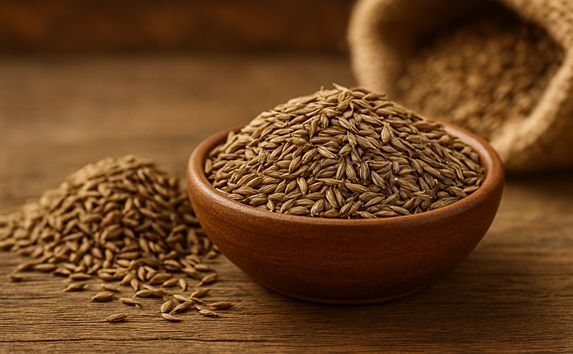
The European Organic Cumin Market: Size and Opportunity
Europe represents the world’s largest and most lucrative organic food market, with the organic sector valued at €55.7 billion and growing steadily. Within this massive market, organic spices occupy a premium niche where consumers willingly pay substantial premiums for certified organic products free from pesticides and synthetic chemicals.
Market Size and Growth Dynamics
The Netherlands, Europe’s spice trading hub, imported 3,100 tonnes of cumin seeds in 2022 worth nearly €12 million, with over 60% arriving as whole seeds. Since 2018, Dutch cumin imports have grown at an annual rate of 7.8%, demonstrating robust and consistent demand. Critically for organic exporters, over 6,500 tons of organic cumin were imported into the EU in 2023 alone, with Belgium, Germany, the Netherlands, and France leading organic cumin consumption.
Germany stands as Europe’s largest organic food market, making it particularly attractive for organic cumin exporters. Specialized organic retailers like Biomarkt and Alnatura command significant market share in German organic spice sales, providing dedicated distribution channels for certified organic products. Organic brands such as BioWagner, Hartkorn, and GUT Bio dominate shelf space in German supermarkets, actively seeking reliable organic cumin suppliers.
The United Kingdom, despite Brexit, remains Europe’s largest cumin importer overall, driven by its substantial South Asian population and the popularity of curry cuisine. British importers of Fairtrade and organic cumin include British Pepper and Spice Company Limited, Cotswold, and Steenbergs, with the latter specializing exclusively in organic and Fairtrade-certified spices.
Spain’s cumin market, though experiencing some volatility, maintains steady baseline demand around 1,900-2,100 tonnes annually. French consumption patterns similarly demonstrate consistent demand for cumin in Mediterranean and North African cuisines popular throughout France.
Premium Pricing For Organic Cumin
The economics of organic cumin exports are compelling. Organic cumin carries a 20-30% premium over conventional cumin in European markets, reflecting consumer willingness to pay substantially more for certified pesticide-free products. With conventional cumin trading around €3.50-4.50 per kilogram wholesale, organic cumin achieves €4.20-5.85 per kilogram—a significant margin enhancement for certified producers.
Germany’s organic focus makes it especially lucrative, with some premium organic cumin brands retailing at €8-12 per kilogram in specialty stores. While wholesale prices naturally sit lower, the premium positioning creates profitable opportunities throughout the value chain.
India-EU FTA: Transformative Benefits For Organic Cumin Exporters
The India-EU Free Trade Agreement delivers multiple concurrent advantages that compound to create extraordinary opportunities for organic cumin exporters.
Immediate 3.2% Tariff Elimination
Under the FTA, cumin seeds receive immediate zero-duty treatment upon the agreement’s entry into force in 2026. Previously, Indian cumin exports to the EU faced a 3.2% import tariff that either reduced exporter margins or forced higher consumer prices that undermined competitiveness.
For a standard 10-ton container of organic cumin valued at €50,000, the 3.2% tariff represented €1,600 in duties. This cost either came from exporter margins (reducing profitability) or passed to buyers (reducing competitiveness versus domestic EU suppliers). The FTA’s immediate elimination of this €1,600 burden per container creates several strategic options:
Price Reduction Strategy: Exporters can reduce prices by up to 3.2%, making Indian organic cumin more competitive versus Turkish, Syrian, or European domestic organic cumin. This price advantage can capture market share from competing origins.
Margin Enhancement Strategy: Exporters can maintain current pricing while capturing the full 3.2% tariff savings as additional profit margin—approximately €160,000 additional annual profit on €5 million in exports.
Hybrid Strategy: Split the benefit between modest price reductions (1.5-2%) to enhance competitiveness and margin retention (1.2-1.7%) to improve profitability—the balanced approach most exporters will likely adopt.
NPOP-EU Organic Equivalency: Streamlined Certification
One of the FTA’s most valuable but often overlooked benefits for organic exporters is the existing equivalency agreement between India’s National Programme for Organic Production (NPOP) and EU Organic regulations. This equivalency, formally recognized by the European Commission and Switzerland, means NPOP-certified organic cumin automatically qualifies for EU organic labeling without requiring additional EU Organic certification.
For organic cumin exporters, this equivalency delivers enormous value:
Cost Savings: Avoiding duplicate EU Organic certification saves €2,000-5,000 annually per operation in certification fees, plus the administrative burden of managing two separate certification systems.
Time Efficiency: NPOP certification alone suffices for EU market access, eliminating months of additional certification processes and enabling faster market entry.
Simplified Supply Chain: Exporters need only maintain NPOP certification through accredited Indian certification bodies like Gujarat Organic Products Certification Agency (GOPCA), Ecocert India, or other APEDA-accredited agencies—no European certification partner required.
Market Credibility: NPOP certification carries the “India Organic” logo recognized throughout EU markets, providing instant credibility with European buyers familiar with Indian organic standards.
Simplified Customs Through Self-Certification
The FTA introduces streamlined customs procedures specifically designed to benefit small and medium-sized exporters. The self-certification system for origin documentation eliminates the previous requirement to obtain formal Certificates of Origin from chambers of commerce, reducing both costs and time delays.
For organic cumin exporters, self-certification means:
Reduced Processing Time: No waiting 2-5 days for chamber of commerce certificate issuance. Exporters upload origin documentation directly to digital portals, enabling same-day processing.
Lower Administrative Costs: Elimination of ₹500-2,000 per shipment in certificate fees adds up substantially over dozens of annual shipments.
MSME Accessibility: Small organic cumin exporters who previously struggled with certification complexity now access the same preferential treatment as large corporations through simple digital self-certification.
Faster European Customs Clearance: Digital documentation and standardized formats accelerate EU border processing, reducing demurrage charges and improving cash flow.
Permanent Market Access Stability
Unlike India’s previous Generalized System of Preferences (GSP) benefits that the EU withdrew in 2023, FTA preferences are contractually guaranteed through binding international treaty. This permanence creates strategic planning confidence impossible under temporary preference schemes.
Long-Term Investment Justification: Organic cumin producers can confidently invest in organic conversion (which requires 2-3 year transition periods), processing equipment, and quality infrastructure knowing EU market access is secure for decades.
Customer Relationship Development: European buyers can commit to long-term supply agreements without fearing sudden tariff changes that disrupt pricing arrangements.
Brand Building: Developing consumer brands in European organic markets requires sustained investment in marketing and distribution only viable with guaranteed long-term market access.
Gujarat’s Organic Cumin Advantage
Gujarat produces 70% of India’s total cumin output, with the Unjha APMC market in Mehsana district serving as Asia’s largest seed spice trading hub. This dominant position in conventional cumin production provides a natural foundation for organic cumin expansion.
Growing Organic Cultivation in Gujarat
While organic cumin cultivation currently represents a smaller portion of Gujarat’s total cumin acreage, steady growth demonstrates increasing farmer adoption. Districts like Mehsana, Patan, Banaskantha, and Rajkot have seen organic cumin cultivation expand as farmers recognize premium pricing benefits and respond to export demand.
The Gujarat Organic Products Certification Agency (GOPCA), a state-run organic certification body accredited under NPOP, provides accessible organic certification services for Gujarat farmers. GOPCA’s presence in the state’s agricultural infrastructure makes organic conversion more accessible than in states lacking dedicated local organic certification bodies.
Quality Advantages: Oil Content and Aroma
Gujarat cumin possesses specific quality characteristics that command premium positioning in international markets. The state’s semi-arid climate, specific soil mineral content, and farmer expertise produce cumin with 2.5-4.5% volatile oil content—higher than Middle Eastern varieties. This elevated oil content delivers superior aroma intensity and flavor profiles that European food manufacturers and gourmet markets highly value.
Organic cultivation in Gujarat’s traditional cumin belt maintains these quality characteristics while adding pesticide-free certification. Organic farming practices that emphasize soil health through compost, green manures, and natural pest management can actually enhance oil content and aroma intensity compared to chemically dependent conventional cultivation.
Unjha Market Infrastructure
Unjha’s sophisticated market infrastructure provides organic cumin exporters with unmatched advantages. The 36-acre APMC yard processes 500+ tons of cumin daily during peak season through transparent electronic auctions. While organic cumin typically moves through segregated channels to prevent contamination, Unjha’s concentration of cumin expertise, processing facilities, and export logistics creates an efficient ecosystem.
Dedicated organic processing units operating near Unjha provide cleaning, sorting, and packaging services specifically for organic cumin, maintaining the segregation and documentation traceability that organic certification demands. These specialized facilities understand organic handling requirements, preventing contamination that could jeopardize certification.
Organic Certification Requirements: NPOP Standards
Successfully exporting organic cumin to the EU requires understanding and implementing comprehensive organic production standards under India’s National Programme for Organic Production.
NPOP Certification Process
Farmers or farmer groups seeking organic certification must engage an APEDA-accredited certification body. The certification process follows structured stages:
Application and Documentation: Operators submit detailed applications including farm maps, cultivation history for the past 3 years, proposed organic management plans, and input records. Transparency and accurate documentation form the foundation of organic certification.
Conversion Period: Land must undergo a minimum 2-year conversion period from the last application of prohibited substances (synthetic fertilizers, pesticides) before crops can be certified organic. During conversion, crops can be sold as “in-conversion” or conventional, but not yet as certified organic.
Annual Inspection: APEDA-accredited certification bodies conduct mandatory annual on-site inspections of all certified farms. Inspectors verify organic management practices, review input records, check storage and handling procedures, and assess compliance with NPOP standards.
Scope Certificate: Upon successful inspection and compliance verification, the certification body issues a Scope Certificate valid for one year. This certificate details the certified operation, products covered, and certification status, serving as proof of organic compliance for buyers and regulatory authorities.
TraceNet System: All NPOP certifications now operate through the TraceNet digital platform, which provides unique verifiable codes for each certificate. European buyers can independently verify organic certification authenticity through this transparent system, building trust and preventing fraud.
Prohibited and Permitted Inputs
NPOP standards strictly prohibit synthetic fertilizers, synthetic pesticides, genetically modified organisms (GMOs), sewage sludge, and irradiation. Organic cumin cultivation must rely exclusively on natural and biological inputs:
Permitted Fertilizers: Compost, farmyard manure, green manures, vermicompost, biofertilizers (Azotobacter, Rhizobium, phosphate-solubilizing bacteria), neem cake, and other natural soil amendments build soil fertility organically.
Permitted Pest Management: Neem-based biopesticides, pheromone traps, mechanical weeding, crop rotation, intercropping, botanical extracts, and biological control agents (Trichoderma, Bacillus thuringiensis) manage pests and diseases without synthetic chemicals.
Permitted Post-Harvest Treatment: Heat treatment for pest control remains acceptable, while chemical fumigants and treatments are prohibited. Maintaining organic integrity through processing, storage, and transport requires segregated handling and clean facilities.
Record-Keeping Requirements
Comprehensive documentation forms the backbone of organic certification. Farmers must maintain detailed records of all agricultural operations:
Input Records: Documentation of all materials applied to crops including sources, quantities, application dates, and methods. Purchase invoices for permitted inputs demonstrate compliance.
Cultivation Records: Planting dates, varieties used, crop rotation patterns, irrigation schedules, and harvest records create an auditable trail of organic management.
Sales Records: Documentation of all organic cumin sales including buyers, quantities, dates, and prices enables mass balance verification ensuring claimed organic sales don’t exceed certified production.
Storage and Transport: Records of storage facilities, cleaning procedures, and transport arrangements demonstrate segregation maintenance and contamination prevention.
EU Market Entry Strategy For Organic Cumin Exporters
Successfully entering European organic cumin markets requires strategic planning across certification, quality, marketing, and distribution dimensions.
Target Market Selection
Different European countries offer distinct opportunities based on market characteristics, organic penetration, and distribution channels:
Germany – Organic Retail Strength: As Europe’s largest organic market, Germany offers the highest-value opportunity for premium organic cumin. Target specialty organic retailers (Biomarkt, Alnatura, Reformhaus), organic brands (BioWagner, Hartkorn), and health food distributors. German consumers demonstrate highest willingness to pay for certified organic products.
Netherlands – Trade Hub Strategy: While Dutch domestic consumption is modest (~850 tonnes for cumin overall), the Netherlands’ position as Europe’s spice re-export hub creates strategic value. Dutch importers like Nedspice, Catz International, BCFoods, and Vehgro (specializing in organic) purchase in bulk for pan-European distribution.
United Kingdom – Curry Market Focus: The UK’s substantial South Asian population and curry industry create consistent organic cumin demand. Target Fairtrade and organic specialists like Steenbergs, plus ethnic food distributors supplying UK’s thousands of Indian and Pakistani restaurants.
France and Spain – Mediterranean Applications: French and Spanish cuisines incorporate cumin in Mediterranean and North African dishes. Target specialty food distributors and organic retailers in these markets with positioning emphasizing Mediterranean culinary applications.
Quality Standards and Testing
European buyers maintain rigorous quality requirements extending beyond organic certification to encompass physical, chemical, and microbiological parameters:
Purity Standards: Minimum 99% purity with minimal foreign matter, broken seeds, or other admixtures. European buyers expect sortex-cleaned cumin with consistent size grading.
Moisture Content: Maximum 8-9% moisture prevents mold development during storage and shipping. Cumin exceeding these moisture levels faces rejection or price penalties.
Oil Content: Minimum 2.5% volatile oil content (ideally 3-4%) ensures strong aroma and flavor. Gujarat cumin’s naturally higher oil content provides competitive advantage if properly maintained through post-harvest handling.
Pesticide Residues: While organic certification prohibits synthetic pesticides, residue testing remains common to verify compliance. Maximum Residue Levels (MRLs) for any detected residues must fall within EU organic thresholds (essentially zero tolerance).
Aflatoxin Limits: EU regulations impose strict aflatoxin limits for spices. Total aflatoxins must remain below 10 ppb, with Aflatoxin B1 below 5 ppb. Proper post-harvest drying and storage preventing moisture accumulation is critical for compliance.
Microbiological Safety: Total plate counts, yeast and mold, Salmonella, and E. coli must meet EU food safety standards. Heat sterilization or steam treatment ensures microbiological safety without chemical fumigants prohibited under organic standards.
Packaging and Labeling Requirements
Organic cumin exported to the EU must comply with specific packaging and labeling regulations:
Organic Logo Display: NPOP-certified organic cumin must display the “India Organic” logo along with the certification body’s name and code number. When sold in EU retail packaging, the EU Organic logo (Euro leaf) can also be displayed based on NPOP-EU equivalency.
Ingredient Declaration: Packaging must declare “Organic Cumin Seeds” or equivalent in the appropriate EU language. Additional declarations about origin (“Product of India”) and quality attributes (“Whole Seeds,” “Bold Grade”) provide buyer clarity.
Lot Identification: Each package requires unique lot identification enabling full traceability back to source farms. This traceability forms a fundamental organic certification requirement and aids in recall management if quality issues emerge.
Allergen Labeling: While cumin itself isn’t a common allergen, cross-contamination warnings may be required if processing facilities also handle known allergens (mustard, celery, sesame).
Storage Instructions: Recommended storage conditions (“Store in cool, dry place,” “Best before” dates) ensure product quality maintenance through distribution and retail storage.
Building European Buyer Relationships
Successful organic cumin export requires cultivating strong, trust-based relationships with European importers and distributors:
Trade Show Participation: European organic trade shows like BioFach (Nuremberg, Germany – world’s largest organic trade fair), SIAL (Paris), and Anuga (Cologne) provide face-to-face networking opportunities with European organic buyers actively seeking suppliers.
Sample Marketing: Providing generous sample quantities (1-5 kg) with complete documentation (Certificates of Analysis, organic certificates, company profiles) enables European buyers to conduct thorough quality evaluation before commitments.
Consistency Emphasis: European buyers prioritize supply consistency above opportunistic lowest pricing. Demonstrating ability to deliver consistent quality, packaging, and volumes across multiple seasons builds the reliability trust European partnerships require.
Payment Terms Flexibility: While Letter of Credit provides security for first transactions, established relationships often transition to more flexible payment terms (Documents Against Payment, even 30-60 day credit for long-term partners). Financial stability to accommodate these terms facilitates partnership development.
Technical Support: Providing detailed technical data sheets, quality specifications, and responsive communication addressing buyer questions demonstrates professionalism that European buyers expect from suppliers.
SadBhaav Spices: Your Organic Cumin Export Partner
SadBhaav Spices brings three decades of export experience and comprehensive organic certification infrastructure to support Gujarat’s organic cumin exporters in capitalizing on India-EU FTA opportunities.
Comprehensive Organic Certification
SadBhaav maintains robust organic certifications meeting both Indian and international standards:
NPOP Certification: Our full NPOP certification through accredited certification bodies ensures complete organic compliance and automatic EU market access through NPOP-EU equivalency.
EU Organic Equivalency: As NPOP-certified operators, our organic cumin automatically qualifies for EU Organic labeling without additional European certification requirements.
USDA Organic: For clients seeking North American market access alongside European exports, our USDA Organic certification provides dual-market accessibility.
ISO 9001:2015 Quality Management: Systematic quality management systems ensure consistent organic handling, segregation, and traceability throughout processing and export operations.
Gujarat Sourcing Network
Our deep relationships with Gujarat’s organic cumin farmers and cooperatives provide access to premium-quality organic cumin:
Direct Farmer Partnerships: Contracts with 200+ organic-certified farmers across Mehsana, Patan, and Banaskantha districts provide stable organic cumin supply throughout the season.
Quality Selection: On-ground quality assessment teams evaluate oil content, moisture, and purity before procurement, ensuring only premium-grade organic cumin enters our supply chain.
Fair Pricing: Direct farmer relationships enable fair pricing 15-18% above conventional rates, incentivizing continued organic cultivation while maintaining competitive export pricing.
Traceability Documentation: Complete farm-level traceability through digital record systems links each export lot to specific source farms, supporting organic certification audit trails and European buyer due diligence requirements.
Processing and Quality Control
State-of-the-art processing infrastructure ensures organic integrity throughout handling:
Segregated Organic Facilities: Dedicated organic processing lines prevent cross-contamination with conventional cumin, maintaining organic certification integrity.
Advanced Sortex Technology: AI-powered color sorting achieves 99.95% purity, removing discolored seeds, foreign materials, and defects to meet stringent European visual quality expectations.
Laboratory Testing: NABL-accredited in-house laboratory conducts comprehensive testing including moisture analysis, oil content verification, pesticide residue screening, aflatoxin analysis, and microbiological safety assessment.
Heat Sterilization: Chemical-free heat treatment ensures microbiological safety meeting EU standards while maintaining organic certification compliance.
Clean Packaging: Food-grade packaging materials in EU-compliant formats (25kg PP bags with inner liners for bulk, retail-ready pouches with proper labeling) protect organic cumin quality during international shipment.
Export Documentation and Compliance Support
Navigating EU export documentation complexity can challenge smaller organic exporters. SadBhaav provides complete support:
Organic Certificates: NPOP Scope Certificates and Transaction Certificates documenting organic status for each shipment, with digital verification codes enabling EU buyer authentication.
Certificates of Analysis: Comprehensive lab test results demonstrating compliance with EU quality, safety, and organic standards accompany each shipment.
Phytosanitary Certificates: Government-issued phytosanitary certification confirming plant health and pest-free status as required by EU import regulations.
EUR.1 Certificates: Proper Certificate of Origin documentation in EUR.1 format ensuring FTA preferential tariff treatment—critical for capturing zero-duty benefits.
TRACES-NT Registration: Assistance with EU’s Trade Control and Expert System (TRACES-NT) prior notification requirements for organic food imports.
Flexible Partnership Models
SadBhaav accommodates diverse partnership structures supporting exporters at different scales:
Direct Export Services: Complete export management for organic cumin farmers and farmer groups lacking export infrastructure—we handle quality control, documentation, shipping, and buyer relationships.
Processing Services: Organic cleaning, sorting, testing, and packaging services for organic farmers seeking to export independently while leveraging our processing infrastructure.
Consolidation Services: Small-volume organic producers can consolidate shipments through our export operations, achieving container-load economics otherwise unattainable individually.
Private Label Manufacturing: European retailers and brands seeking private-label organic cumin can leverage our processing, packaging, and compliance capabilities with custom labeling.
Contract Farming: Long-term organic cumin supply agreements with guaranteed pricing provide farming communities income stability while ensuring SadBhaav’s supply security.
Action Plan: Capitalizing on Organic Cumin FTA Opportunities
For Gujarat’s organic cumin stakeholders ready to leverage India-EU FTA benefits, follow this strategic roadmap:
For Organic Farmers and Farmer Groups
Step 1 – Organic Certification (Months 1-6): If not yet certified, engage an APEDA-accredited certification body (GOPCA for Gujarat farmers) to begin the organic certification process. Complete application documentation, field mapping, and management plan development.
Step 2 – Quality Focus (Ongoing): Implement best organic cultivation practices emphasizing oil content enhancement through proper nutrition, irrigation management, and timely harvest. Post-harvest handling preventing moisture increases and quality deterioration is critical.
Step 3 – Export Partner Selection (Months 6-8): Evaluate export partners like SadBhaav Spices offering comprehensive services including quality assessment, processing, documentation, and European buyer relationships. Direct export requires substantial infrastructure and expertise beyond most farmer capabilities.
Step 4 – Supply Agreements (Months 8-12): Formalize supply relationships with chosen export partners, establishing pricing formulas, quality specifications, delivery schedules, and payment terms providing predictability for both parties.
For Existing Conventional Cumin Exporters
Step 1 – Organic Expansion Feasibility (Months 1-3): Assess organic cumin sourcing potential—can you access NPOP-certified organic cumin in sufficient quantities? Does organic premium pricing (20-30% above conventional) justify the additional handling and certification complexity?
Step 2 – Organic Handling Infrastructure (Months 3-6): Establish segregated organic processing and storage facilities preventing cross-contamination with conventional cumin. Organic certification auditors will verify complete segregation before approving handling operations.
Step 3 – NPOP Handler Certification (Months 6-9): Obtain NPOP certification for handling and export operations through APEDA-accredited certification bodies. Handler certification demonstrates organic integrity maintenance through processing and export.
Step 4 – European Buyer Development (Months 9-18): Target European organic importers, specialty distributors, and retail chains with organic cumin offerings. Emphasize FTA zero-duty benefits, NPOP-EU equivalency, and Gujarat quality advantages in marketing communications.
For New Entrepreneurs
Step 1 – Market Research (Months 1-3): Conduct thorough research on European organic cumin demand, buyer requirements, pricing dynamics, and competitive landscape. Identify specific target markets and buyer segments aligned with your capabilities.
Step 2 – Partnership or Independent Path (Months 3-6): Decide between partnering with established exporters (lower risk, faster market entry, but lower margins) versus building independent export capabilities (higher risk and investment, but greater long-term profitability).
Step 3 – Organic Supply Chain Development (Months 6-12): Establish relationships with NPOP-certified organic cumin farmers or farmer groups. Secure sufficient volumes through forward contracts or partnership arrangements ensuring consistent supply.
Step 4 – Export Infrastructure (Months 12-18): Develop or contract processing facilities, obtain necessary certifications (NPOP handler, APEDA registration, FSSAI license), establish banking relationships for export finance, and build logistics partnerships for container shipping.
Step 5 – First Export (Month 18+): Begin with modest volumes to established organic importers in accessible markets (Netherlands, UK) building track record before scaling. European buyers value consistency—start small, deliver impeccably, then grow based on proven performance.
Conclusion: The Organic Cumin Opportunity Awaits
The India-EU Free Trade Agreement has created a perfect storm of opportunity for Gujarat’s organic cumin exporters. The combination of immediate zero-duty access eliminating 3.2% tariffs, NPOP-EU organic equivalency streamlining certification, Europe’s €55.7 billion organic market paying 20-30% premiums, and Gujarat’s 70% share of Indian cumin production positions organic cumin exports for transformational growth.
European demand for organic cumin exceeds 6,500 tons annually and continues growing steadily. German organic retailers actively seek certified suppliers. Dutch importers consolidate pan-European distribution. UK curry industries require reliable organic sources. Spain and France incorporate cumin throughout Mediterranean cuisine.
The barriers that previously constrained organic cumin exports—import tariffs, certification complexity, documentation burden—have fallen. NPOP certification alone suffices for EU market access. Self-certification streamlines customs. Zero tariffs enable competitive pricing or margin enhancement. Long-term FTA stability justifies organic conversion investments and European brand building.
For Gujarat farmers, transitioning to organic cumin cultivation delivers 15-18% premium pricing while accessing growing global organic markets. For existing exporters, organic cumin expansion captures high-margin niche segments. For new entrepreneurs, organic cumin export offers entry into profitable international trade.
The opportunity window is now. Early movers who establish European partnerships, secure organic certification, and develop EU-compliant export processes will capture market share and build lasting competitive positions. The “mother of all deals” has opened the door—success belongs to those who walk through prepared.
SadBhaav Spices invites Gujarat’s organic cumin stakeholders to partner in capturing India-EU FTA opportunities. Contact us today for:
- NPOP organic certification guidance and support
- Organic cumin procurement and processing services
- Complete EU export documentation and compliance assistance
- European buyer introductions and market entry support
- Fair pricing and reliable payment terms for organic farmers
Website: https://sadbhaavspices.com/
Email: [contact email]
Phone: [contact number]
From Gujarat’s organic cumin fields to Europe’s premium organic retailers—let’s build profitable, sustainable export partnerships together.