
India stands tall as the world’s largest rice exporter, dominating global markets with an impressive 30.3% market share. While premium basmati rice often steals the spotlight, non-basmati rice is the true volume king, accounting for a substantial 80% of India’s rice exports. For exporters looking to tap into the lucrative global rice trade valued at over $39 billion annually, understanding the non-basmati rice export landscape is essential for success.
This comprehensive guide walks you through everything you need to know about exporting non-basmati rice from India in 2026, from varieties and pricing to documentation, market opportunities, and profitability strategies.
Understanding Non-Basmati Rice: The Export Powerhouse
Non-basmati rice refers to all rice varieties that don’t belong to the aromatic basmati family. While these varieties lack the characteristic fragrance of basmati, they are highly valued for their practicality, versatility, nutritional content, and most importantly, their affordability.
Why Non-Basmati Rice Dominates Export Volumes
Non-basmati rice represents the backbone of India’s rice export industry for several compelling reasons:
Volume Leadership: India exported approximately 17.6 million metric tons of non-basmati rice in 2025, representing 70% of total rice export volumes and valued at nearly $10.2 billion. Projections for 2026 suggest continued growth, with exports expected to reach 18-19 million metric tons.
Price Competitiveness: Non-basmati varieties are priced between $300-$500 per metric ton FOB, making them 50-70% cheaper than basmati rice while still delivering quality and consistency.
Staple Food Security: Non-basmati rice serves as a dietary staple for billions worldwide, particularly in Africa, Southeast Asia, and the Middle East, where price-sensitive markets prioritize affordability and availability.
Diverse Applications: From everyday meals to industrial food processing, non-basmati rice’s versatility makes it indispensable across multiple culinary traditions and food manufacturing sectors.
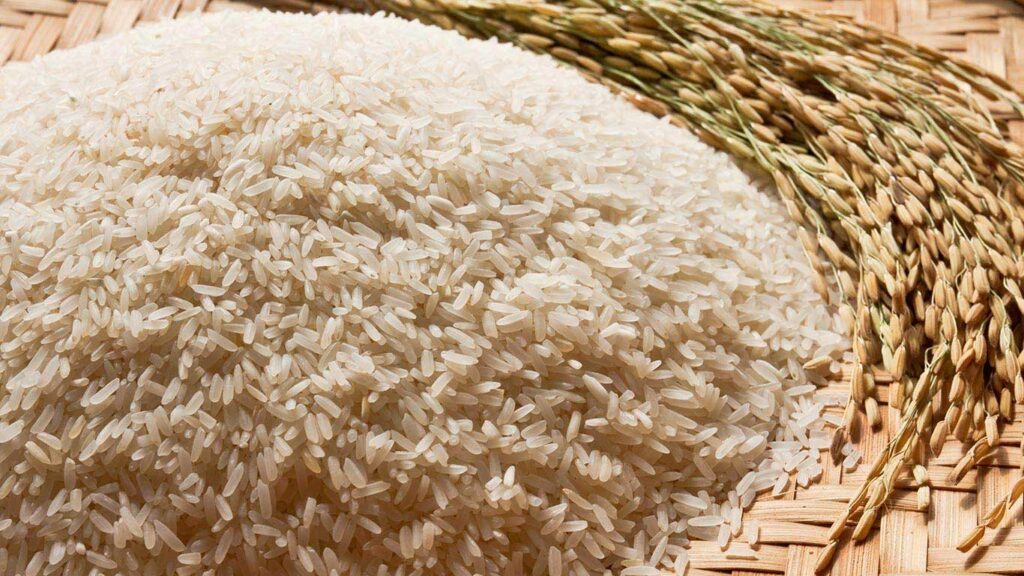
Top Non-Basmati Rice Varieties for Export in 2026
India cultivates a wide spectrum of non-basmati varieties, each with distinct characteristics that appeal to different international markets. Understanding these varieties is crucial for matching the right product to the right buyer.
1. IR-64 (International Rice 64)
Market Position: The undisputed champion of Indian non-basmati exports, IR-64 accounts for approximately 40-45% of total non-basmati shipments.
Characteristics:
- Medium to long grain (5.8-6.2 mm average length)
- High-yielding, pest-resistant variety
- Mild, neutral flavor profile
- Non-sticky texture when cooked
- Excellent shelf stability
Processing Forms:
- Raw/White IR-64
- Parboiled IR-64 (most popular for exports)
- Broken IR-64 (5%, 10%, 25%, 100% broken variants)
Export Pricing (2026 FOB rates):
- IR-64 Parboiled 5% broken: $380-$420/MT
- IR-64 Raw/White 5% broken: $350-$390/MT
- IR-64 Broken 100%: $280-$320/MT
Key Export Markets: Africa (Nigeria, Benin, Senegal, Côte d’Ivoire), Middle East (Saudi Arabia, UAE, Iraq), Southeast Asia (Malaysia, Indonesia, Philippines), Bangladesh
Best Applications: Daily consumption rice, institutional catering, fried rice, biryani, African jollof rice, food aid programs
2. Sona Masoori
Market Position: The premium non-basmati variety, commanding 15-20% higher prices than IR-64 while remaining significantly cheaper than basmati.
Characteristics:
- Medium-grain variety (5.0-6.0 mm)
- Lightweight and aromatic (though not as fragrant as basmati)
- Non-sticky, separate grains when cooked
- Low starch content, making it healthier
- Shorter cooking time (15-20 minutes)
Processing Forms:
- Sona Masoori Raw/White
- Sona Masoori Steam
- Sona Masoori Parboiled
- Broken Sona Masoori
Export Pricing (2026 FOB rates):
- Sona Masoori Steam 5% broken: $420-$470/MT
- Sona Masoori Raw 5% broken: $400-$450/MT
- Broken Sona Masoori: $350-$380/MT
Key Export Markets: USA (54% market share among non-basmati varieties), UAE, Saudi Arabia, Qatar, UK, Canada, Australia
Best Applications: South Indian cuisine (idli, dosa), everyday meals, pulao, rice salads, health-conscious consumers
Why It’s Popular: Sona Masoori bridges the gap between commodity-grade rice and premium segments, offering superior quality at mid-tier pricing—ideal for diaspora markets and quality-conscious buyers on a budget.
3. Ponni Rice
Market Position: The “comfort rice” of South India, representing 8-10% of non-basmati exports with strong regional loyalty.
Characteristics:
- Short to medium grain (4.5-5.5 mm)
- Soft, tender texture after cooking
- Slightly sticky consistency
- Pleasant, subtle flavor
- Quick cooking properties
Processing Forms:
- Ponni Raw/White
- Ponni Boiled/Parboiled
- Ponni Steam
Export Pricing (2026 FOB rates):
- Ponni Raw: $450-$500/MT
- Ponni Boiled: $470-$520/MT
Key Export Markets: Sri Lanka, Malaysia, Singapore, Middle East (Tamil diaspora), USA, UK
Best Applications: Traditional South Indian dishes, temple offerings, comfort food preparations, rice-based desserts
4. Swarna Rice
Market Position: The budget-friendly workhorse, accounting for 10-12% of exports, particularly to price-sensitive markets.
Characteristics:
- Short to medium grain (5.2 mm average)
- High yield variety
- Good cooking quality
- Economical pricing
- Robust grain structure
Export Pricing (2026 FOB rates):
- Swarna Parboiled: $340-$380/MT
- Swarna Raw: $320-$360/MT
Key Export Markets: Bangladesh, Nepal, African nations (bulk buyers), institutional buyers
Best Applications: Bulk institutional catering, food processing, budget retail packs
5. PR-11 and PR-14 (Pusa Rice)
Characteristics:
- Long grain varieties (6.0-6.5 mm)
- Developed by Indian Agricultural Research Institute
- Good cooking expansion
- Firm texture retention
Export Pricing (2026 FOB rates): $360-$410/MT
Key Export Markets: Middle East, Africa, Bangladesh
6. Parboiled Rice (Various Varieties)
Market Significance: Parboiled rice represents 40-45% of India’s non-basmati exports (approximately 9 million metric tons), valued at $4-5 billion annually.
Why Parboiling Matters:
- Retains 20-25% more vitamins (especially thiamine) compared to raw rice
- Improved shelf life and resistance to insects
- Firmer texture and less stickiness
- Preferred in West African, Middle Eastern, and South Asian markets
Key Parboiled Varieties for Export:
- IR-64 Parboiled (most popular)
- Sona Masoori Parboiled
- Swarna Parboiled
- PR-11/14 Parboiled
Export Pricing (2026 FOB rates): $380-$450/MT depending on variety and broken percentage
7. Broken Rice
Market Position: Often overlooked but highly profitable, broken rice exports account for approximately 1 million metric tons annually.
Broken Rice Categories:
- 5% broken (premium grade)
- 10% broken (standard export grade)
- 25% broken (industrial/processing grade)
- 100% broken (animal feed, brewing, snack manufacturing)
Export Pricing (2026 FOB rates):
- 100% broken rice: $280-$320/MT
- 25% broken rice: $330-$370/MT
Applications: Animal feed, poultry feed, brewing industry, rice flour manufacturing, snack food production, ethanol production
Key Markets: China, Vietnam, Senegal, Philippines
Global Market Dynamics: Where to Sell Non-Basmati Rice in 2026
Understanding regional demand patterns, preferences, and buying behaviors is crucial for export success. Non-basmati rice enjoys robust demand across multiple continents, each with distinct requirements.
Africa: The Volume Powerhouse (40% of Global Non-Basmati Imports)
Africa represents the single largest market for Indian non-basmati rice, importing over 7 million metric tons annually. The continent’s rapidly growing population, urbanization, and rice consumption habits create massive opportunities.
Top Importing Countries:
- Benin: 1.2-1.5 million MT annually (re-export hub for West Africa)
- Senegal: 800,000-1 million MT
- Côte d’Ivoire (Ivory Coast): 700,000-900,000 MT
- Nigeria: 600,000-800,000 MT (despite local production efforts)
- Togo: 400,000-600,000 MT
- Guinea: 300,000-400,000 MT
- Cameroon, Ghana, Mali, Burkina Faso: 200,000-400,000 MT each
Preferred Varieties:
- IR-64 Parboiled (70% of imports)
- Broken rice (25-100% broken)
- Swarna Parboiled
Pricing Sensitivity: Extremely high—African buyers prioritize competitive pricing over premium quality, with typical purchase prices ranging $350-$420/MT CFR.
Key Buying Patterns:
- Large volume orders (minimum 1,000-5,000 MT per shipment)
- Payment terms: Primarily Letter of Credit (LC) at sight or 30-60 days
- Packaging preference: 25kg or 50kg PP bags with simple branding
- Quality acceptance: 5-10% broken rice standard; moisture content 12-14%
Why Africa Matters: West Africa’s rice consumption is projected to reach 35 million tons by 2030, with domestic production covering only 60%, creating a sustained 14 million ton import opportunity.
Middle East: The Value-Conscious Premium Segment (25% Market Share)
The Middle East represents a sweet spot for non-basmati exports—buyers who want better quality than commodity grade but aren’t willing to pay basmati premiums.
Top Importing Countries:
- Saudi Arabia: 800,000-1 million MT (largest Middle Eastern importer)
- UAE: 600,000-800,000 MT (re-export hub)
- Iraq: 400,000-600,000 MT
- Yemen: 300,000-500,000 MT
- Jordan, Kuwait, Oman: 200,000-400,000 MT combined
Preferred Varieties:
- Sona Masoori (especially for expatriate Indian/South Asian communities)
- IR-64 Parboiled and Raw
- PR-11/14 varieties
Pricing Range: $400-$470/MT CFR
Key Requirements:
- Higher quality standards than Africa (maximum 5% broken)
- Halal certification preferred (though not always mandatory for rice)
- Modern packaging with clear labeling in Arabic and English
- Strict phytosanitary compliance
- FSSAI, ISO 22000, HACCP certifications valued
Market Trends:
- Growing expatriate South Asian population (40+ million) drives Sona Masoori demand
- Increasing preference for pre-packaged retail brands over bulk buying
- Rising demand for organic and pesticide-free certifications
- E-commerce integration for smaller pack sizes (1kg, 5kg)
Southeast Asia: The Competitive Battleground (20% Market Share)
Southeast Asia presents both opportunities and challenges, as the region has its own rice producers (Thailand, Vietnam) but still imports for specific varieties and shortfalls.
Key Importing Markets:
- Malaysia: 500,000-700,000 MT annually
- Indonesia: 400,000-600,000 MT (supplementing local production)
- Philippines: 300,000-500,000 MT
- Singapore: 150,000-200,000 MT (re-export and consumption)
Preferred Varieties:
- Sona Masoori (Indian diaspora preference)
- IR-64 Parboiled
- Ponni rice (Tamil communities)
- Broken rice for processing
Competitive Landscape: Indian exporters compete directly with Thai jasmine rice and Vietnamese long grain varieties. Success requires:
- Competitive pricing ($380-$450/MT CFR)
- Consistent quality and reliable supply
- Established distribution networks
- Strong relationships with importers and wholesalers
Market Dynamics:
- Food service industry drives bulk demand (restaurants, hotels, catering)
- Retail market prefers branded, smaller pack sizes
- Quality standards comparable to Middle East
- Payment terms: Generally 30-60 days LC or advance payment for established relationships
Bangladesh: The Neighboring Giant (10% of Non-Basmati Imports)
Bangladesh imports 1.2-1.5 million MT of non-basmati rice annually despite being a major producer, due to seasonal shortfalls and quality preferences.
Preferred Varieties:
- IR-64 varieties
- Swarna rice
- Parboiled rice
- Broken rice
Advantages for Indian Exporters:
- Proximity reduces logistics costs
- Cultural and culinary similarities
- Established trade routes
- Simpler documentation for neighboring country trade
Pricing: $360-$410/MT CFR
Key Considerations:
- Government import policies can change based on domestic harvest
- Land border crossings via Petrapole and other checkpoints
- Both containerized and bulk truck shipments viable
Emerging Markets with High Growth Potential
Europe (UK, Germany, Netherlands): 150,000-250,000 MT combined
- Diaspora-driven demand for Sona Masoori and Ponni
- Premium pricing ($480-$550/MT)
- Strict EU food safety regulations
- Organic certification highly valued
- Smaller pack sizes (1-5kg retail packs)
North America (USA, Canada): 200,000-300,000 MT
- Growing South Asian population
- Preference for Sona Masoori (USA has 54% market share for this variety)
- Retail brand development opportunities
- FDA compliance mandatory
- Pricing: $450-$520/MT CFR
China: Selective imports (200,000-400,000 MT)
- Primarily broken rice for processing and animal feed
- Strict GACC (General Administration of Customs China) registration required
- Quality and phytosanitary standards extremely rigorous
- Price-driven market
Export Pricing Strategies and Profit Margins in 2026
Understanding pricing dynamics is critical for profitability in the competitive non-basmati export market.
Current FOB Pricing (Mundra/JNPT Port – 2026)
| Variety | Specification | FOB Price Range (USD/MT) |
|---|---|---|
| IR-64 Parboiled | 5% broken | $380-$420 |
| IR-64 Raw/White | 5% broken | $350-$390 |
| IR-64 Broken | 100% broken | $280-$320 |
| Sona Masoori Steam | 5% broken | $420-$470 |
| Sona Masoori Raw | 5% broken | $400-$450 |
| Ponni Boiled | Premium | $470-$520 |
| Swarna Parboiled | 5% broken | $340-$380 |
| PR-11/14 | 5% broken | $360-$410 |
Cost Structure Analysis (Per Metric Ton)
For IR-64 Parboiled (5% broken) – Example:
Procurement & Processing:
- Raw paddy procurement: $180-$200
- Milling and processing: $40-$50
- Parboiling (if applicable): $20-$25
- Sorting and grading: $15-$20
- Packaging (50kg PP bags): $8-$12
- Subtotal: $263-$307
Export Logistics & Documentation:
- Inland transport to port: $8-$12
- Port handling charges: $5-$8
- APEDA/FSSAI fees: $2-$3
- Phytosanitary certificate: $1-$2
- Customs documentation: $2-$3
- Export commission/agent fees: $3-$5
- Subtotal: $21-$33
Total Cost: $284-$340 per MT
FOB Selling Price: $380-$420 per MT
Gross Profit Margin: $40-$136 per MT (10.5-35% margin)
Note: Margins vary significantly based on:
- Procurement efficiency (direct farmer tie-ups vs. mandis)
- Processing scale (economies of scale for large mills)
- Market timing (harvest season vs. off-season pricing)
- Buyer relationships (long-term contracts vs. spot sales)
Profitability Strategies
High-Volume, Low-Margin Strategy:
- Target African markets with large shipments (5,000+ MT)
- Focus on IR-64 and Swarna varieties
- Operate on 8-12% margins but high turnover
- Benefit from economies of scale in procurement and logistics
Mid-Volume, Quality-Focused Strategy:
- Target Middle East and Southeast Asia with premium varieties (Sona Masoori)
- Invest in certifications (organic, ISO 22000, HACCP)
- Operate on 15-25% margins with moderate volumes
- Build long-term buyer relationships
Premium, Niche Strategy:
- Target diaspora markets in USA, UK, Europe
- Offer branded retail packs with private labeling
- Focus on organic, GI-tagged, or specialty varieties
- Operate on 25-40% margins with smaller volumes
- Develop e-commerce channels
Step-by-Step Export Process: From Registration to Shipment
Successfully exporting non-basmati rice requires navigating a series of legal, documentation, and logistical steps. Here’s a comprehensive breakdown.
Phase 1: Business Setup and Registrations (4-8 Weeks)
1. Importer Exporter Code (IEC)
The IEC is your export license, issued by the Directorate General of Foreign Trade (DGFT). Without an IEC, you cannot legally export from India.
How to Obtain:
- Apply online at DGFT website (dgft.gov.in)
- Required documents: PAN card, Aadhaar, Bank certificate, Cancelled cheque
- Processing time: 5-7 working days
- Cost: ₹500 (approximately $6)
- Validity: Lifetime (one-time registration)
2. FSSAI Registration/License
The Food Safety and Standards Authority of India (FSSAI) license ensures your rice meets food safety standards.
Types:
- Basic Registration: For small businesses (turnover < ₹12 lakh)
- State License: For medium businesses (turnover ₹12 lakh – ₹20 crore)
- Central License: For large businesses or multi-state operations (turnover > ₹20 crore)
Required for Export: State or Central License recommended
How to Obtain:
- Apply online at fssai.gov.in
- Required documents: Business proof, IEC, premises details, NOC from municipality
- Processing time: 30-60 days
- Cost: ₹2,000-₹7,500 depending on license type
- Validity: 1-5 years (renewable)
3. APEDA Registration
Agricultural and Processed Food Products Export Development Authority (APEDA) registration is mandatory for rice exporters as rice is a scheduled product under APEDA.
How to Obtain:
- Apply online at apeda.gov.in
- Required documents: IEC, FSSAI license, GST registration, business registration proof
- Processing time: 15-30 days
- Cost: Registration fee varies by turnover (₹1,000-₹10,000 annually)
- Validity: Annual renewal required
Benefits:
- Legal authorization to export scheduled products
- Access to APEDA export promotion schemes
- Participation in international trade fairs
- Financial assistance for market development
- Export data and market intelligence
4. GST Registration
Goods and Services Tax registration is mandatory for export businesses.
Benefits:
- Zero-rated GST on exports (no GST charged)
- Input tax credit on domestic purchases
- Refund of GST paid on inputs used for exports
How to Obtain:
- Apply online at gst.gov.in
- Processing time: 7-15 days
- Cost: Free
5. Additional Recommended Registrations:
- RCMC (Registration Cum Membership Certificate): Often issued along with APEDA registration
- ISO 22000: Food safety management system certification (voluntary but highly valued)
- HACCP: Hazard Analysis and Critical Control Points certification (required for EU, USA markets)
- Organic Certification: If planning to export organic varieties (adds 15-25% price premium)
- Halal Certification: For Middle Eastern markets (optional but preferred)
Phase 2: Sourcing and Quality Assurance (Ongoing)
1. Establish Procurement Networks
Options:
- Direct Farmer Tie-ups: Best pricing, requires volume commitment (1,000+ MT annually)
- Farmer Producer Organizations (FPOs): Good quality control, moderate pricing
- Mandis/Agricultural Markets: Flexible but higher prices
- Rice Mills: Convenient but limited margin for exporters
Key Sourcing Regions:
- IR-64: Punjab, Haryana, Andhra Pradesh
- Sona Masoori: Andhra Pradesh, Telangana, Karnataka
- Ponni: Tamil Nadu
- Swarna: Andhra Pradesh, West Bengal, Odisha
2. Processing and Milling
Options:
- Own milling facility (requires ₹2-10 crore investment)
- Partnership with established mills
- Contract manufacturing arrangements
Quality Parameters to Monitor:
- Grain length and uniformity
- Broken rice percentage (critical for grading)
- Moisture content (11-14% optimal for storage)
- Foreign matter and impurities (< 0.1%)
- Discolored/damaged grains (< 2%)
- Chalky grains (< 5%)
3. Laboratory Testing
Mandatory Tests:
- Pesticide residue analysis (maximum limits per importing country)
- Aflatoxin levels (must be < 4 ppb for most markets)
- Heavy metals (lead, cadmium, mercury)
- Microbial contamination
Testing Facilities:
- NABL-accredited labs (National Accreditation Board for Testing)
- FSSAI-approved labs
- APEDA-recognized labs
Cost: ₹5,000-₹15,000 per sample set
Phase 3: Finding Buyers and Negotiating Contracts (2-12 Weeks)
1. Buyer Discovery Channels
B2B Platforms:
- Alibaba.com
- IndiaMART
- TradeIndia
- ExportHub
- Global Sources
Trade Shows and Exhibitions:
- Gulfood (Dubai) – February annually
- SIAL Paris (France) – October (biennial)
- BIRC (Bharat International Rice Convention) – October
- ANUGA (Germany) – October (biennial)
- African food exhibitions
Direct Outreach:
- Target importers, wholesalers, and distributors in target countries
- LinkedIn networking with buyers
- APEDA buyer database access
- Embassy commercial sections
2. Contract Negotiation
Key Terms to Define:
- Quantity: Specify in metric tons, with acceptable tolerance (usually ±5%)
- Quality Specifications: Grain length, broken percentage, moisture, purity
- Pricing: FOB/CFR/CIF, currency (USD standard)
- Delivery Schedule: Shipment timeline from order confirmation
- Payment Terms: Common options include:
- 30% advance + 70% against copy of Bill of Lading
- Letter of Credit at sight
- 30-60-90 day LC
- 100% advance (for new buyers with APEDA assurance)
- Inspection Rights: Pre-shipment inspection, SGS/Bureau Veritas certification
- Force Majeure Clauses: Protection against unforeseen circumstances
- Dispute Resolution: Arbitration jurisdiction
Phase 4: Documentation and Compliance (1-2 Weeks per Shipment)
Essential Export Documents:
1. Commercial Invoice
- Exporter and importer details
- Product description (variety, quality, packing)
- Quantity in MT
- Unit price and total value
- Payment terms
- Origin: India
2. Packing List
- Detailed breakdown of packages
- Net weight and gross weight per package
- Total packages and total weight
- Container number (for containerized shipment)
- Marks and numbers on packages
3. Bill of Lading (B/L) or Airway Bill
- Issued by shipping company/airline
- Proof of shipment
- Required for customs clearance and payment release
4. Certificate of Origin
- Certifies rice is produced/processed in India
- Issued by Chamber of Commerce or APEDA
- Required for preferential tariffs under trade agreements
- Cost: ₹500-₹1,000
5. Phytosanitary Certificate
- Certifies rice is free from pests and plant diseases
- Issued by Plant Quarantine authorities at port
- Mandatory for all agricultural exports
- Cost: ₹1,000-₹2,000
6. FSSAI Certificate
- Copy of your FSSAI license
- Sometimes specific batch certification required
7. APEDA RCMC Certificate
- Copy of Registration-cum-Membership Certificate
8. Quality Certificate
- Lab test reports for pesticide residue, aflatoxin
- Optional: SGS/Bureau Veritas pre-shipment inspection report
9. Fumigation Certificate (if applicable)
- For containerized shipments to certain countries
- Certifies container was fumigated to prevent pest infestation
10. Insurance Certificate (for CIF terms)
- Marine cargo insurance covering transit risks
11. Export Declaration Form
- Filed electronically with customs
- Includes HS Code for rice (specific to variety)
Country-Specific Requirements:
For USA:
- FDA Prior Notice (24 hours before arrival)
- USDA compliance documentation
- Nutritional labeling in English
For EU:
- TRACES (Trade Control and Expert System) notification
- EU-compliant labeling
- Maximum residue limit (MRL) compliance certificates
- Additional documentation for organic products
For Middle East:
- Halal certificate (optional but preferred)
- Arabic labeling requirements
- Country-specific import permit numbers
For China:
- GACC (General Administration of Customs China) registration
- Fumigation mandatory
- Specific quality standard compliance (Chinese national standards)
Phase 5: Packaging and Labeling (Integrated with Processing)
Standard Export Packaging:
Bulk Packaging (Most Common):
- 25kg PP (Polypropylene) bags
- 50kg PP bags
- Jute bags (25-50kg) – eco-friendly option, premium markets
- BOPP (Biaxially Oriented Polypropylene) bags – attractive printing, retail appeal
Retail Packaging (For developed markets):
- 1kg, 2kg, 5kg, 10kg pouches or bags
- Vacuum-sealed packs for premium positioning
- Private label options for importers
Labeling Requirements:
Mandatory Information:
- Product name (variety, e.g., “IR-64 Parboiled Rice”)
- Net weight
- Country of origin: “Product of India”
- Exporter name and address
- Importer name and address (if known)
- Batch/Lot number
- Manufacturing/Packing date
- Best before date
- FSSAI license number
- Nutritional information (for retail packs)
Optional but Recommended:
- Cooking instructions
- Storage instructions
- Brand logo and design elements
- QR code for traceability
Language: English standard; Arabic, French, or local language for specific markets
Phase 6: Logistics and Shipping (2-6 Weeks)
1. Choosing Shipping Method
Sea Freight (95% of rice exports):
- Most economical for bulk shipments
- Standard 20-foot container: 20-22 MT capacity
- 40-foot container: 25-27 MT capacity
- Transit time: 15-45 days depending on destination
- Cost: $800-$2,500 per container depending on route
Key Shipping Routes and Transit Times:
- India to West Africa (Benin, Senegal): 25-35 days
- India to Middle East (UAE, Saudi): 10-15 days
- India to Southeast Asia (Malaysia, Singapore): 15-20 days
- India to USA/Europe: 30-45 days
Air Freight (Rare for bulk rice, used for samples or urgent retail orders):
- Much faster (3-7 days)
- Cost: $3-$6 per kg (prohibitively expensive for bulk)
- Used for: Sample shipments, high-value organic/specialty varieties
2. Major Indian Export Ports for Rice
Mundra Port (Gujarat): Largest private port, handles 40% of rice exports JNPT – Jawaharlal Nehru Port (Mumbai): Major public port, excellent connectivity Kakinada Port (Andhra Pradesh): Proximity to South Indian rice belt Vishakhapatnam Port: Alternative for Andhra/Telangana shipments Kolkata Port: For Bangladesh and Southeast Asian shipments Tuticorin Port (Tamil Nadu): For southern varieties
3. Customs Clearance Process
Export Procedure:
- File Shipping Bill electronically (ICEGATE portal)
- Pay applicable fees (minimal for agricultural exports)
- Submit documents to customs officer
- Cargo inspection (random or requested)
- Obtain “Let Export Order”
- Container stuffing and seal
- Vessel loading
Timeline: 2-5 days at port (faster with experienced clearing agents)
Recommended: Hire a customs clearing agent (CHA) – Cost: ₹5,000-₹15,000 per shipment
Phase 7: Payment Collection and Post-Shipment (1-12 Weeks)
Payment Methods:
1. Letter of Credit (LC) – Most Secure
- Bank guarantee ensures payment
- Buyer’s bank issues LC in favor of exporter
- Exporter ships goods and submits documents to bank
- Bank releases payment upon document verification
- Cost: 1-3% of invoice value
- Timeline: Payment within 7-21 days after document submission
2. Advance Payment
- 30-50% advance before shipment, balance against document copies
- Lower risk than credit terms
- Preferred for new buyers or smaller orders
3. Credit Terms (30-90 days)
- For established, trusted buyers
- Higher risk but competitive advantage
- Consider export credit insurance
Post-Shipment Requirements:
- Share document copies with buyer for customs clearance
- Track shipment and keep buyer informed
- Resolve any discrepancies in documentation quickly
- Maintain records for APEDA reporting and tax benefits
Government Support and Export Incentive Schemes (2026)
The Indian government offers multiple schemes to support rice exporters and improve competitiveness.
1. RoDTEP (Remission of Duties and Taxes on Exported Products)
What It Is: Refunds various embedded central, state, and local duties/taxes that are not refunded through GST.
For Non-Basmati Rice: 1.2-1.4% of FOB value (rates vary by product classification)
How to Claim:
- Automatically calculated when filing Shipping Bill
- Credit issued as transferable duty credit scrip
- Can be used to pay customs duty on imports or sold to others
Benefit Example: On a $400,000 shipment (1,000 MT @ $400/MT), RoDTEP benefit = $4,800-$5,600
2. Interest Equalization Scheme
What It Is: Pre-shipment and post-shipment export credit interest subvention to make Indian exports more competitive.
Current Rate: 2% interest subvention on export credit
Eligibility: All exporters (with higher rates for MSME exporters)
How It Works:
- Banks provide pre-shipment and post-shipment credit
- Government subsidizes 2% of the interest cost
- Effectively reduces your borrowing cost for export finance
Benefit Example: On ₹2 crore export credit for 90 days at 10% annual interest, you save approximately ₹90,000 annually.
3. Market Development Assistance (MDA) – APEDA
What It Is: Financial assistance for participating in international trade fairs, buyer-seller meets, and market development activities.
Support Includes:
- 75% reimbursement of participation costs (airfare, booth rental, marketing materials)
- Up to ₹2 lakh per exhibition
- Support for multiple exhibitions per year
4. Vishwakarma Scheme and PM Formalisation of Micro Food Processing Enterprises (PMFME)
What It Is: Financial support for setting up or upgrading rice processing and milling facilities.
Support:
- 35% credit-linked subsidy (up to ₹10 lakh for individuals, ₹1 crore for groups)
- Working capital support
- Training and technical assistance
5. Export Promotion Capital Goods (EPCG) Scheme
What It Is: Allows duty-free import of capital goods (milling machinery, sorting equipment, packaging machines) for export production.
Condition: Must fulfill export obligation equal to 6 times the duty saved over 6 years.
Quality Standards and Certifications That Matter
Meeting and exceeding quality standards is crucial for sustained export success and premium pricing.
International Quality Standards
ISO 22000: Food Safety Management System
- Internationally recognized food safety certification
- Demonstrates systematic approach to identifying and controlling food safety hazards
- Increasingly expected by European and Middle Eastern buyers
- Cost: ₹1.5-3 lakh for certification + annual audits
HACCP (Hazard Analysis Critical Control Point)
- Mandatory for exports to USA, EU, Japan
- Focuses on preventing hazards rather than inspecting final products
- Cost: ₹1-2 lakh + annual maintenance
BRC Global Standard (British Retail Consortium)
- Required for supplying to major UK and European retail chains
- Covers product safety, quality, legality, and authenticity
- Cost: ₹2-4 lakh
Organic Certifications
India Organic (NPOP – National Programme for Organic Production):
- Issued by agencies accredited by APEDA
- Accepted in India and some international markets
- Cost: ₹25,000-₹75,000 depending on farm size and complexity
USDA Organic:
- Required for marketing organic rice in USA
- Certification by USDA-accredited agencies
- Cost: ₹1-2.5 lakh
- Premium: 20-30% higher prices
EU Organic:
- Required for European organic market
- Often combined with NPOP certification
- Similar costs and premium pricing
Halal Certification
- Not mandatory but strongly preferred for Middle Eastern markets
- Multiple certifying agencies in India
- Cost: ₹15,000-₹50,000
- Validity: 1 year (annual renewal)
Fair Trade Certification
- Appeals to ethically conscious buyers in developed markets
- Ensures fair prices to farmers
- Premium positioning opportunity
- Cost: ₹1.5-3 lakh
Common Challenges in Non-Basmati Rice Export and Solutions
Understanding potential pitfalls helps you navigate the export journey more smoothly.
Challenge 1: Payment Defaults and Credit Risk
Problem: Buyers in some markets (particularly in Africa) may delay payments or default.
Solutions:
- Always insist on Letter of Credit for new buyers
- Use export credit insurance (ECGC – Export Credit Guarantee Corporation)
- Conduct thorough due diligence on buyers (credit checks, trade references)
- Start with smaller trial orders before large shipments
- Consider requiring advance payment (30-50%) for high-risk markets
Challenge 2: Quality Disputes and Rejections
Problem: Buyers claim quality issues upon arrival, demanding discounts or rejecting shipments.
Solutions:
- Invest in pre-shipment inspection by third-party agencies (SGS, Bureau Veritas)
- Document everything with photos and videos during loading
- Maintain detailed quality test reports from accredited labs
- Include arbitration clauses in contracts specifying testing procedures
- Provide samples before bulk shipment for buyer approval
- Maintain consistent quality through strong supplier relationships
Challenge 3: Fluctuating Prices and Market Volatility
Problem: Rice prices can fluctuate 10-20% within a few months due to monsoons, government policies, global demand.
Solutions:
- Lock in procurement prices early in harvest season
- Use forward contracts with farmers or mills
- Consider price hedging instruments for large contracts
- Build buffer margins (15-20%) to absorb minor fluctuations
- Diversify across multiple varieties and markets
- Maintain strong working capital to handle timing differences
Challenge 4: Documentation and Compliance Complexity
Problem: Missing documents, errors, or non-compliance can cause customs delays, penalties, or shipment rejection.
Solutions:
- Hire experienced customs clearing agents and freight forwarders
- Create document checklists for each destination country
- Invest in export management software for tracking and compliance
- Stay updated on changing regulations through APEDA bulletins
- Maintain organized digital records of all documents
- Double-check all documents before shipment
Challenge 5: Competition from Thailand, Vietnam, Pakistan
Problem: These countries also export large volumes of non-basmati rice, often at competitive prices.
Solutions:
- Focus on specific varieties where India has competitive advantage (Sona Masoori, parboiled rice)
- Leverage India’s reputation for quality and food safety standards
- Build strong relationships and brand recognition
- Offer superior customer service and reliability
- Explore niche markets (organic, specialty varieties)
- Bundle rice with other Indian spice/food products for unique value proposition
Challenge 6: Logistics and Port Congestion
Problem: Port delays, container shortages, and freight cost fluctuations impact timely delivery and profitability.
Solutions:
- Book containers and shipping space 3-4 weeks in advance
- Develop relationships with multiple shipping lines
- Consider alternative ports if primary port is congested
- Build contingency time into delivery schedules
- Use port agents who can expedite clearances
- Track global shipping trends to anticipate freight rate changes
Success Stories: Indian Non-Basmati Rice Exporters
KRBL Limited
- One of India’s largest rice exporters
- Exports both basmati and non-basmati varieties to 80+ countries
- Annual turnover: ₹4,000+ crore
- Key Success Factors: Vertical integration (farming to retail), strong brand presence (India Gate), quality certifications
LT Foods (Daawat)
- Exports to 65+ countries across 5 continents
- Revenue: ₹6,000+ crore annually
- Key Success Factors: Premium positioning, retail brand development, organic varieties
REI Agro Limited
- Significant presence in African and Middle Eastern markets
- Focus on parboiled and raw non-basmati rice
- Key Success Factors: Strategic locations near ports, large processing capacity, competitive pricing
Lessons from Success Stories:
- Vertical integration improves margins and quality control
- Brand development commands premium pricing
- Diversification across varieties and markets reduces risk
- Investment in certifications opens premium markets
- Long-term buyer relationships ensure stable demand
Future Trends in Non-Basmati Rice Export (2026-2030)
1. Growing Demand from Africa
Africa’s population is projected to reach 1.8 billion by 2030, with rice consumption growing 5-6% annually. This represents a sustained 15+ million ton import opportunity.
2. Premium and Organic Segments Expanding
Global organic food market growing at 12% CAGR. Organic non-basmati rice exports could grow from current 50,000 MT to 200,000+ MT by 2030, commanding 25-40% price premiums.
3. Climate-Smart Varieties
Growing demand for drought-resistant, low-water consumption varieties as water scarcity increases globally. Exporters who can certify sustainable farming practices will have competitive advantage.
4. Retail Brand Development
Shift from bulk commodity exports to branded retail packs in developed markets. Private labeling and direct-to-consumer channels (e-commerce) growing rapidly.
5. Technology Integration
Blockchain for traceability, AI-powered quality sorting, digital marketplaces connecting farmers to exporters, and fintech solutions for payment security transforming the industry.
6. Government Policy Evolution
Watch for changes in:
- Minimum Export Price (MEP) regulations
- Export duties or restrictions during domestic shortages
- Trade agreements opening new markets
- Subsidy schemes and export incentives
7. Value Addition Opportunities
Moving beyond raw rice exports to:
- Ready-to-eat rice products
- Rice-based snacks and breakfast cereals
- Rice flour and specialty products
- Fortified rice (iron, zinc, vitamin A enriched)
Expert Tips for First-Time Exporters
- Start Small, Scale Gradually: Begin with trial shipments (100-300 MT) to test markets and build experience before committing to large volumes.
- Choose Your Niche: Don’t try to compete in all segments simultaneously. Focus on one variety (e.g., Sona Masoori) and 2-3 target markets initially.
- Invest in Relationships: Rice export is a relationship business. Attend trade shows, visit importers, maintain regular communication.
- Never Compromise on Quality: One quality failure can destroy your reputation permanently. Consistent quality builds long-term business.
- Maintain Strong Cash Flow: Export business requires significant working capital (procurement, processing, shipping). Ensure adequate funding through bank credit lines or investor capital.
- Stay Compliant: Regulations change frequently. Subscribe to APEDA updates, join exporter associations, consult with experienced clearing agents.
- Document Everything: Maintain meticulous records of all transactions, contracts, quality tests, and communications. This protects you in disputes.
- Understand Cultural Nuances: Different markets have different business practices. What works in Middle East may not work in Africa. Adapt your approach.
- Build a Strong Team: You need expertise in procurement, quality control, documentation, logistics, and international business development. Invest in skilled professionals or partners.
- Be Patient and Persistent: First export success may take 6-12 months. Many initial leads don’t convert. Persistence and consistency pay off.
Conclusion: Your Roadmap to Non-Basmati Rice Export Success
The non-basmati rice export industry represents a $10+ billion annual opportunity for Indian exporters, with strong growth trajectory fueled by global population expansion, increasing rice consumption, and India’s competitive advantages in production and quality.
Success in this industry requires a combination of:
- Strategic market selection based on your strengths and capital availability
- Quality consciousness that never compromises on standards
- Regulatory compliance with meticulous documentation
- Financial prudence with strong working capital management
- Buyer relationships built on trust and consistent delivery
- Continuous learning to adapt to changing market dynamics
Whether you’re targeting high-volume African markets with IR-64 parboiled rice, premium Middle Eastern segments with Sona Masoori, or niche organic markets in Europe and North America, the fundamentals remain the same: deliver consistent quality, maintain competitive pricing, ensure timely delivery, and build lasting relationships.
The journey from obtaining your IEC to landing your first container can seem daunting, but thousands of Indian exporters have successfully navigated this path. With proper preparation, the right partnerships, and unwavering commitment to quality and compliance, you too can establish a profitable non-basmati rice export business that contributes to India’s growing presence in global food markets.
India’s position as the world’s largest rice exporter is not just a statistic—it’s an opportunity waiting for entrepreneurs like you to seize. The global appetite for Indian rice continues to grow, and 2026 presents an optimal time to enter or expand in this dynamic industry.
About Sadbhaav Spices
At Sadbhaav Spices, we bring decades of experience in sourcing premium non-basmati rice varieties directly from India’s most productive rice belts. Our deep understanding of quality standards, export documentation, and international market requirements ensures your export journey is smooth and profitable. From IR-64 to Sona Masoori, from bulk commodity shipments to retail-ready branded packs, we support exporters and importers with end-to-end solutions.
Ready to start your non-basmati rice export journey? Contact our export specialists today for personalized guidance and competitive quotations.