
India dominates global red onion trade with over 1.8 million tonnes exported annually, representing 70% of the country’s $525 million onion export revenue. The removal of the 20% export duty effective April 1, 2025, has eliminated Minimum Export Price (MEP) restrictions, creating the most favorable export environment in years.
For importers and distributors worldwide, this means competitive pricing, reliable supply, and unprecedented access to India’s premium red onion varieties from Nashik’s volcanic black soil—renowned for producing the world’s longest-lasting, most pungent red onions.
This guide breaks down exactly what you need to know: quality parameters that determine pricing, current FOB rates, top destination markets, and how to source directly from APEDA-certified Indian exporters.
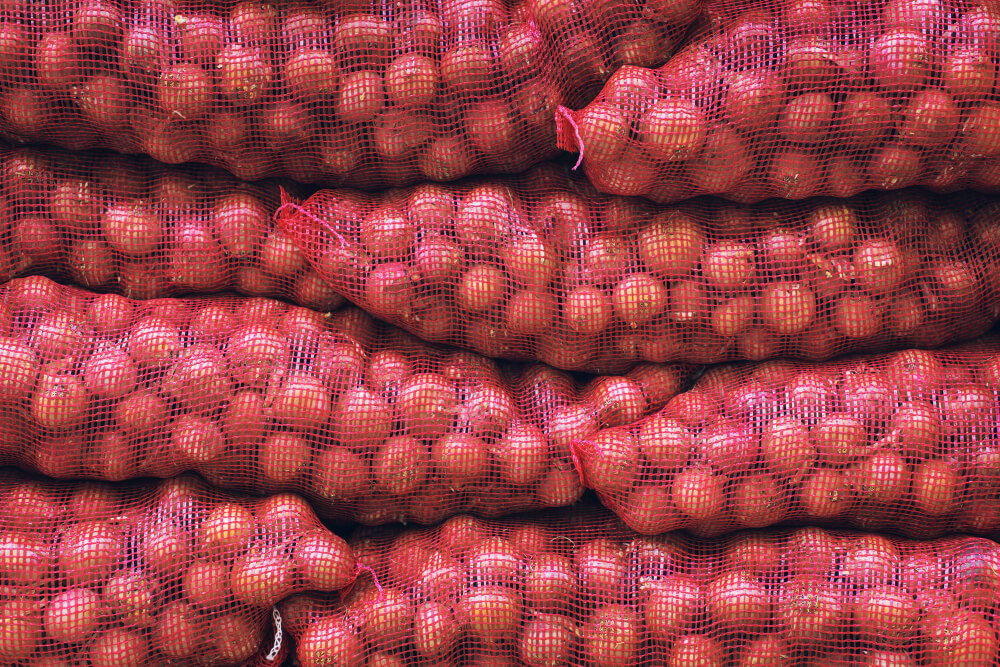
Why Indian Red Onions Command Global Demand
Superior Shelf Life
Indian red onions, particularly from Nashik (Maharashtra), naturally store for 3-4 months under proper conditions (0-2°C, 85-90% relative humidity). This extended shelf life stems from:
- Low moisture content: 12-15% (vs. 20%+ in many competing origins)
- Thick, protective skin layers: Natural barrier against spoilage
- High pyruvic acid content: Natural antimicrobial properties
- Volcanic soil cultivation: Mineral-rich black soil of Nashik produces denser, more resilient bulbs
What this means for buyers: Lower wastage during transit and storage, longer retail display windows, and reduced logistics pressure.
Bold Flavor Profile
Indian red onions deliver intense, pungent flavor that European and Southeast Asian varieties cannot match. Current mandi rates show onions averaging ₹2,131 per quintal (approximately ₹21.3/kg or $0.26/kg domestic), with export-grade varieties commanding premium rates.
The distinctive taste comes from higher sulfur compound concentrations, making Indian reds ideal for:
- Raw salads and garnishes
- Pickling and preserving
- Curry bases and spice blends
- Food processing and dehydration
Cost Competitiveness
Average onion export prices vary between USD $500 to $750 per tonne, translating to approximately $0.50-$0.75 per kg depending on grade and destination. FOB pricing for premium Nashik Red ranges from $0.35-$0.42/kg, offering significant cost advantages over Dutch, Egyptian, or Turkish alternatives.
Quality Standards & Grading System
Not all Indian red onions are equal. Understanding the grading system is essential for matching product quality to your market requirements.
Grade A (Premium Export)
Size Specification: 50-80 mm diameter Characteristics:
- Uniform dark red to purple outer skin
- Firm, well-formed bulbs with no soft spots
- Minimal mechanical damage or cuts
- Clean, intact roots and stems trimmed properly
- Single-centered (no twin or multiple growth points)
Quality Parameters:
- Moisture content: 12-15%
- Pyruvic acid: 15-20 μmol/g (high pungency indicator)
- Foreign matter: <1%
- Damaged/diseased bulbs: <5%
Target Markets: UAE, Saudi Arabia, Malaysia, Singapore, UK (premium retail)
FOB Pricing 2026: $0.37-$0.42/kg
Grade B (Standard Export)
Size Specification: 40-60 mm diameter Characteristics:
- Good red coloration, some variation acceptable
- Firm bulbs with minor surface blemishes allowed
- Slight mechanical damage permitted if not affecting core quality
- May include some twin bulbs
Quality Parameters:
- Moisture content: 13-16%
- Foreign matter: <2%
- Damaged/diseased bulbs: <8%
Target Markets: Bangladesh, Sri Lanka, Malaysia (food service sector), Middle East (processing)
FOB Pricing 2026: $0.32-$0.37/kg
Grade C (Industrial/Processing)
Size Specification: 30-50 mm diameter or mixed sizes Characteristics:
- Color variation acceptable
- Surface damage acceptable if core is sound
- Can include irregular shapes
Quality Parameters:
- Moisture content: 14-17%
- Foreign matter: <3%
- Damaged/diseased bulbs: <12%
Target Markets: Food processing plants (dehydration, pickling, powder production)
FOB Pricing 2026: $0.28-$0.33/kg
Premium Varieties & Regional Origins
Nashik Red (Maharashtra) – The Export King
Why it dominates: Nashik’s black volcanic soil produces onions with exceptional firmness, intense red color, and unmatched storage capability.
Harvest Seasons:
- Kharif (Monsoon) crop: October-December
- Late Kharif: January-March
- Rabi (Winter) crop: March-May
Key Varieties:
- Agrifound Dark Red: Deep purple-red, excellent storage (4 months+)
- Pusa Red: Uniform 50-70mm, high yield, consistent quality
- Bhima Super: Early maturing, good for food processing
Export Advantage: Nashik produces 60% of India’s export-grade red onions with established supply chains to Mundra and JNPT ports.
Pune Red Belt (Maharashtra)
Characteristics: Lighter red than Nashik, slightly sweeter profile, good for fresh consumption
Best For: Southeast Asian markets preferring milder flavor
Bangalore Rose (Karnataka)
Characteristics: Rose-pink color, flat-round shape, mild sweet taste
Best For: European markets, fresh salad applications
Guntur Red Cluster (Andhra Pradesh)
Characteristics: Small to medium bulbs, intense flavor, excellent for pickling
Best For: Processing industry, spice manufacturers
Current Pricing Reality (2026)
FOB Price Breakdown by Grade
| Grade | Size (mm) | FOB Price (USD/kg) | Target Market |
|---|---|---|---|
| Premium A | 60-80 | $0.37 – $0.42 | UAE, Saudi, Malaysia Premium |
| Standard A | 50-70 | $0.35 – $0.39 | Bangladesh, Sri Lanka, Malaysia |
| Grade B | 40-60 | $0.32 – $0.37 | Food Service, Processing |
| Grade C | 30-50 | $0.28 – $0.33 | Dehydration, Powder, Pickle |
| Organic Certified | 50-80 | $0.45 – $0.55 | EU, USA Organic Markets |
Cost Structure Analysis (Per Tonne)
For Premium Grade A Nashik Red:
Procurement & Processing:
- Farm gate purchase: ₹2,200-2,800/quintal ($26-34/100kg)
- Sorting and grading: $8-12 per tonne
- Cleaning and trimming: $5-8 per tonne
- Packing (mesh bags): $15-20 per tonne
- Subtotal: $340-420 per tonne
Logistics & Documentation:
- Inland transport to port: $10-15 per tonne
- Port handling: $5-8 per tonne
- Phytosanitary certificate: $2-3 per tonne
- APEDA fees: $1-2 per tonne
- Subtotal: $18-28 per tonne
Total Cost: $358-448 per tonne
FOB Selling Price: $370-420 per tonne
Gross Margin: $12-72 per tonne (3-15% depending on efficiency and variety)
Factors Affecting Pricing
Harvest Season: Prices lowest during peak harvest (March-May for Rabi crop), increase 15-25% during lean months (June-September)
Export Duty Removal: The April 2025 removal of 20% export duty has reduced export costs by approximately $100-150 per tonne, improving exporter margins and competitiveness.
Weather Impact: Unseasonal rain in Maharashtra damaged ~10% of the red onion crop, creating temporary supply tightness and price volatility.
Global Demand: Strong demand from Bangladesh, UAE, and Malaysia during their own harvest gaps drives seasonal price spikes.
Top Export Markets & Their Requirements
Bangladesh – The Volume Leader
Annual Import Volume: 400,000-600,000 tonnes (India’s largest red onion buyer)
Why They Buy:
- Geographic proximity reduces freight costs
- Cultural taste preferences align perfectly
- Seasonal supply gaps during domestic shortages
Preferred Specifications:
- Size: 40-70mm (Standard A/B grades)
- Packing: 25kg or 50kg mesh bags
- Quality: Good color, firm texture, minimal focus on premium grading
Pricing Sensitivity: High—buyers prioritize competitive pricing over premium quality
Entry Strategy: Work with established Bangladeshi importers; payment terms typically 30% advance + 70% against documents
UAE (United Arab Emirates) – The Premium Market
Annual Import Volume: 150,000-200,000 tonnes
Why They Buy:
- Large Indian expatriate population
- Re-export hub to other GCC countries
- Premium retail market willing to pay for quality
Preferred Specifications:
- Size: 60-80mm (Premium Grade A)
- Packing: 10kg or 20kg retail-ready mesh bags
- Quality: Dark red color, uniform size, excellent presentation
Pricing Tolerance: Moderate to high—quality matters more than lowest price
Entry Strategy: Target Dubai wholesale markets and establish relationships with hypermarket chains
Malaysia – The Consistent Buyer
Annual Import Volume: 120,000-180,000 tonnes
Why They Buy:
- Large Indian and Bangladeshi diaspora
- Local onion production insufficient
- Growing food processing industry
Preferred Specifications:
- Size: 50-70mm (Standard A grade)
- Packing: 20kg or 25kg mesh bags
- Quality: Good red color, firm texture, reasonable shelf life
Pricing Sensitivity: Moderate—balance between price and quality
Entry Strategy: Participate in SIAL Malaysia or Food & Hotel Asia exhibitions; work with Port Klang importers
Sri Lanka – The Seasonal Opportunity
Annual Import Volume: 80,000-120,000 tonnes
Why They Buy:
- Seasonal shortages during domestic lean periods
- Cultural preference for Indian varieties
- Processing industry demand
Preferred Specifications:
- Size: 40-60mm (Standard B grade acceptable)
- Packing: 50kg mesh bags
- Quality: Focus on firmness over perfect appearance
Pricing Sensitivity: High—extremely price-conscious market
Payment Terms: Letter of Credit or advance payment preferred due to currency restrictions
United Kingdom – The Quality Premium Market
Annual Import Volume: 40,000-60,000 tonnes (from India)
Why They Buy:
- Large South Asian diaspora (3+ million)
- Specialty Asian grocery stores
- Ethnic food manufacturers
Preferred Specifications:
- Size: 60-80mm (Premium Grade A)
- Packing: 5kg, 10kg, or 20kg for retail
- Quality: Excellent color, uniform size, BRC/GlobalGAP certification valued
Pricing Tolerance: High—willing to pay 15-20% premium for certified quality
Compliance Requirements:
- Pesticide MRL compliance (EU standards)
- Complete traceability documentation
- Organic certification highly valued
Essential Quality Testing & Certifications
Mandatory Pre-Shipment Tests
Physical Parameters:
- Size distribution analysis
- Firmness testing (pressure resistance)
- Moisture content determination
- Foreign matter inspection
Chemical Analysis:
- Pesticide residue screening (multi-residue)
- Heavy metal testing (lead, cadmium, arsenic)
- Pyruvic acid content (flavor intensity indicator)
Microbial Safety:
- Total Plate Count
- Salmonella/E.coli testing
- Yeast and mold count
Testing Cost: ₹3,000-8,000 ($35-95) per sample batch
Export Certifications
APEDA Registration: Mandatory for all onion exporters from India
Phytosanitary Certificate: Issued by Plant Quarantine authorities, certifying the produce is pest-free
FSSAI License: Food Safety and Standards Authority of India registration
Optional But Valuable:
- GlobalGAP certification (European retail chains)
- BRC Global Standards (UK supermarkets)
- Organic certifications (NPOP, USDA, EU Organic)
- Halal certification (Middle East markets)
Packaging Standards for Export
Standard Export Packaging
Mesh Bags:
- 10kg, 20kg, 25kg, or 50kg capacities
- Red or white polyethylene mesh
- Allows ventilation, preventing moisture buildup
- Drawstring or stitched closure
Cost: $0.15-$0.30 per bag depending on size
Premium Packaging
Ventilated Cartons:
- 5kg or 10kg for retail markets
- Branded printing available
- Better protection during handling
- Higher perceived value
Cost: $0.80-$1.50 per carton
Innovative Packaging (2026 Trends)
Bio-Wax Coated Mesh Bags: Cuts weight loss by 18% in transit through reduced moisture evaporation
RFID-Tagged Pallets: Real-time temperature and location monitoring during transit
Plant-Based Wax Coating: Extends shelf life by 22% without chemical preservatives
Export Process Step-by-Step
Step 1: Registration & Compliance (One-Time)
- Obtain IEC (Importer Exporter Code) from DGFT
- Register with APEDA
- Get FSSAI license
- Open current account for export transactions
Timeline: 4-6 weeks for complete registration
Step 2: Sourcing & Procurement
- Identify reliable farmers or APMC (Agricultural Produce Market Committee) suppliers
- Negotiate pricing based on grade and quantity
- Arrange transportation to processing/sorting facility
Best Procurement Windows:
- Rabi crop: March-May (largest volumes, best pricing)
- Late Kharif: January-March (good quality, moderate pricing)
- Kharif: October-December (moderate volumes)
Step 3: Processing & Packing
- Sorting by size using mechanical graders
- Manual quality inspection, removing damaged bulbs
- Trimming roots and stems
- Packing in mesh bags as per buyer specifications
- Palletization for container loading
Processing Time: 2-3 days for a 20-tonne container
Step 4: Quality Testing & Documentation
- Send samples to an NABL-accredited lab
- Obtain Certificate of Analysis
- Apply for a Phytosanitary Certificate from Plant Quarantine
- Prepare a commercial invoice and packing list
- Obtain Certificate of Origin
Documentation Time: 3-5 days
Step 5: Customs & Shipping
- File shipping bill with customs
- Container stuffing at exporter’s warehouse or port CFS
- Customs inspection (physical or document-based)
- Vessel loading
- Obtain Bill of Lading
Clearance & Loading: 2-4 days at efficient ports like Mundra
Step 6: Transit & Delivery
Typical Sea Freight Times:
- To Bangladesh (Chittagong): 7-10 days
- To UAE (Dubai/Sharjah): 10-14 days
- To Malaysia (Port Klang): 12-16 days
- To Sri Lanka (Colombo): 7-10 days
- To UK (Southampton/Felixstowe): 25-30 days
Common Challenges & Solutions
Challenge 1: Post-Harvest Losses
Problem: 15-20% losses occur between farm gate and export due to improper handling
Solution:
- Use ventilated crates instead of bulk handling
- Implement pre-cooling (bringing the temperature down to 15-20°C within 24 hours of harvest)
- Sort immediately to remove damaged bulbs
- Store in controlled temperature facilities
Challenge 2: Export Ban Uncertainties
Problem: India has historically imposed temporary export bans during domestic price spikes
Current Status: Exports to major countries like UAE, Bangladesh, Nepal, Sri Lanka, and Mauritius continue under open policy
Mitigation:
- Maintain close watch on domestic mandi prices
- Build strategic inventory during favorable periods
- Diversify across multiple crops/products
- Establish long-term buyer relationships for priority allocation
Challenge 3: Quality Consistency
Problem: Variability in size, color, and moisture across different farm sources
Solution:
- Contract farming with selected growers
- Implement stringent procurement standards
- Use mechanical graders for uniform sizing
- Blend batches from multiple farms for consistency
- Regular supplier audits and feedback
Challenge 4: Payment Collection Risks
Problem: Some destination markets have currency restrictions or payment delays
Solution:
- Insist on a Letter of Credit for new buyers
- Use export credit insurance (ECGC)
- Advance payment for risky markets
- Verify buyer credentials through trade references
2026 Market Outlook
Supply Projections
India could export 1.8-2.2 million tonnes in FY 2025-26, up from ~1.5 million tonnes in 2024. The increase stems from:
- Export duty removal incentivizing shipments
- Good monsoon predictions for 2025 Rabi crop
- Expanding processing capacity for value-added products
Pricing Trends
Short-term (Jan-Jun 2026): Moderate fluctuations as Rabi crop enters market; expect prices in $0.35-0.42/kg range
Medium-term (Jul-Dec 2026): Potential firming if exports surge significantly to Gulf and Southeast Asian markets
Factors to Watch:
- 2025 Southwest Monsoon performance (critical for Oct-Dec 2025 sowing)
- Bangladesh domestic harvest (impacts their import demand)
- Competitor pricing from Pakistan, China, Egypt
Emerging Opportunities
Value-Added Products:
- Dehydrated onion flakes and powder ($3.50-5.50/kg FOB)
- Frozen diced onions for food service
- Pickled onions in brine
- Pre-peeled vacuum-packed onions for retail
New Markets:
- African countries (Nigeria, Kenya, Tanzania)
- Southeast Asia expansion (Philippines, Vietnam)
- European organic segment growth
The Bottom Line
Red onion export from India presents compelling opportunities in 2026:
For Importers:
- Removal of 20% export duty translates to better pricing
- Reliable supply from world’s largest exporter
- Multiple quality grades to match different market segments
- Established logistics infrastructure and documentation systems
For Exporters:
- Growing global demand (projected 1.8-2.2 million tonne exports)
- Policy environment more favorable than previous years
- Margins improving with duty removal
- Value-added processing opportunities expanding
Success Factors:
- Source from reliable origins (Nashik for premium, Pune for standard)
- Implement rigorous quality control and testing
- Maintain proper cold chain and storage
- Build relationships with established importers in target markets
- Stay informed on policy changes and domestic price movements
India’s dominance in red onion exports isn’t accidental—it’s built on superior product characteristics, competitive pricing, and supply reliability. For buyers seeking long-term onion suppliers, Indian exporters offer the best combination of quality, consistency, and value in 2026.
About Sadbhaav Spices
At Sadbhaav Spices, we export 10,000+ tonnes annually of premium Nashik Red onions to 50+ countries. Our cold-chain infrastructure, APEDA certification, and direct farm partnerships ensure every shipment meets international quality standards.
We source exclusively from Nashik’s black soil region, working with 2,000+ contracted farms to guarantee consistent Grade A supply year-round. Our processing facilities use bio-wax coated mesh bags that reduce transit weight loss by 18%, and our ISO 22000/HACCP certifications ensure food safety compliance for the strictest global markets.
From 10-tonne trial shipments to full container loads, we provide complete documentation, third-party quality testing, and transparent FOB pricing. Our repeat buyer rate of 85% reflects our commitment to quality, reliability, and professional service.
Sourcing premium Indian red onions for Bangladesh, UAE, Malaysia, Sri Lanka, or UK? Contact our export team for current pricing and availability.