
India stands as the global epicenter of spice production and export, with garam masala being one of the most sought-after blends in international markets. For manufacturers, distributors, and food processors looking to source premium garam masala in bulk, understanding the export landscape—from minimum order quantities to pricing structures and packaging options—is essential for making informed procurement decisions.
This comprehensive guide explores everything you need to know about partnering with bulk garam masala exporters in India, helping you navigate MOQ requirements, pricing benchmarks, quality certifications, and packaging solutions that meet international standards.
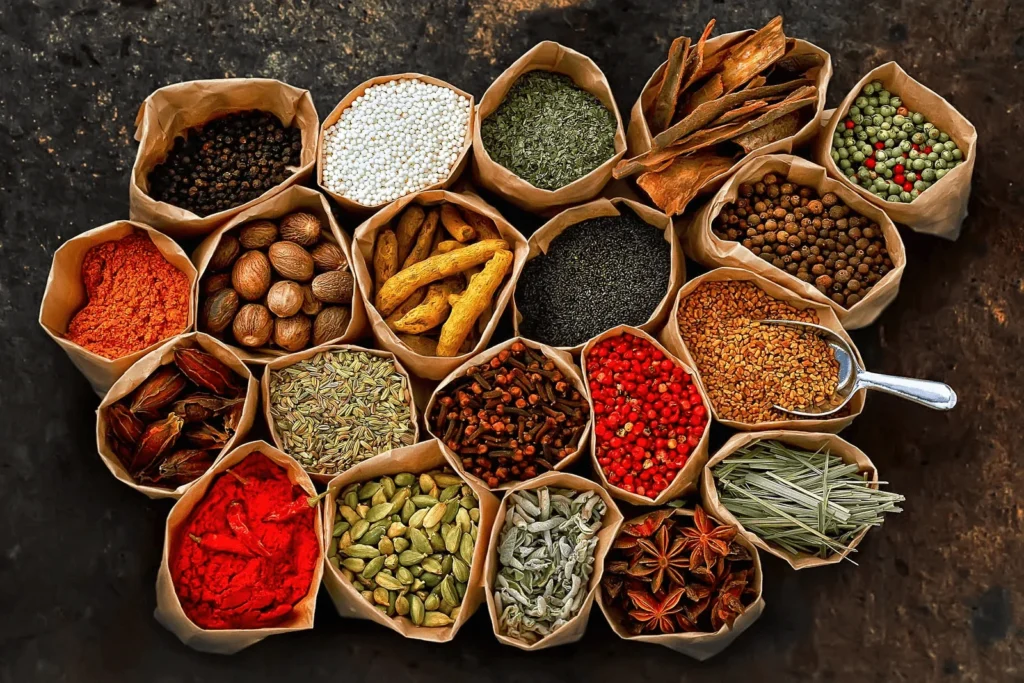
Understanding India’s Garam Masala Export Industry
India exported spice blends valued at approximately USD 1.2-1.5 billion in 2023, with garam masala representing a significant portion of this trade. The aromatic blend, traditionally composed of cinnamon, cardamom, cloves, cumin, coriander, black pepper, nutmeg, and bay leaves, has transcended its Indian culinary roots to become a staple in kitchens worldwide.
Key Export Markets
Top importing countries include the United States, United Kingdom, UAE, Saudi Arabia, and Singapore. Each market demands specific quality parameters, with Western markets prioritizing stringent residue compliance and organic certifications, while Middle Eastern buyers often emphasize robust aroma and competitive pricing.
Major Production Hubs
Premium garam masala is primarily manufactured in Gujarat, Rajasthan, Kerala, Tamil Nadu, and Maharashtra. These regions benefit from proximity to raw spice cultivation areas, advanced processing facilities, and established export infrastructure including major ports like Mumbai, Chennai, and Mundra.
Minimum Order Quantities (MOQ) Explained
Understanding MOQ requirements is critical when partnering with bulk garam masala exporters. The minimum order quantity represents the smallest volume a Dill seeds supplier is willing to sell in a single transaction, balancing production efficiency with profitability.
Standard MOQ Ranges for Garam Masala Exports
For Established Buyers and Container Loads: Most exporters prefer full container shipments, which typically range from 10,000 kg to 25,000 kg. This represents the most cost-effective option for both buyer and seller, as it optimizes freight costs and production runs.
For New Buyers and Trial Orders: Flexible exporters accommodate smaller quantities starting from 100 kg to 500 kg per product. This allows new importers to test market response before committing to larger volumes. However, expect premium per-kilogram pricing at these quantities.
For Mixed Container Loads: Many suppliers offer assorted containers where buyers can order 6-8 different spice products in a single shipment. Individual product MOQs within mixed containers typically start at 200-500 kg per item.
Factors Influencing MOQ Requirements
Production Economics: Manufacturers face setup costs for blending specific garam masala formulations. Larger batches distribute these fixed costs across more units, maintaining profitability.
Raw Material Sourcing: Suppliers must purchase component spices in bulk from their own sources. MOQs ensure these ingredients are fully utilized without wastage or long-term storage requirements.
Packaging Specifications: Custom packaging, private labeling, or specialized materials often require higher MOQs due to printing and production minimums from packaging suppliers.
Shipping and Logistics: Container shipping represents the most economical transport method. Partial loads or LCL (Less than Container Load) shipments incur significantly higher per-unit freight costs.
Pricing Structure and Cost Components
Garam masala export pricing varies significantly based on quality grade, volume, certifications, and market conditions. Understanding the pricing landscape helps buyers negotiate effectively and budget accurately.
Current Market Pricing (2025)
Domestic Wholesale Prices: Rs 200-425 per kg for standard quality grades in the Indian market, depending on blend composition and processing standards.
Export FOB Prices: Rs 450-800 per kg (approximately USD 4.28-16.07 per kg), reflecting export-grade quality, international certifications, and enhanced packaging requirements.
Premium Organic and Certified Products: Prices can exceed Rs 1,000 per kg when products carry USDA Organic, EU Organic, Halal, Kosher, or specialized certifications demanded by premium markets.
Key Price Determinants
Raw Material Quality: Hand-selected, single-origin spices command premium prices compared to commodity-grade ingredients. The quality of cardamom, cinnamon, and cloves significantly impacts the final blend cost.
Processing Methods: Traditional dry roasting and grinding using ambient grinding technology preserves essential oils and flavors but costs more than industrial processing.
Order Volume: Bulk orders receive tiered discounts. Container load quantities typically offer 15-25% lower per-unit costs compared to minimum order quantities.
Certifications and Compliance: Products certified under ISO 22000, HACCP, FDA, FSSAI, or organic standards involve testing and documentation costs reflected in pricing.
Seasonal Fluctuations: Spice prices vary with harvest cycles. Cardamom and pepper prices can fluctuate by 20-30% between peak and off-seasons, impacting garam masala costs.
Packaging Options and Standards
Proper packaging is critical for maintaining garam masala’s aroma, flavor, and shelf life during international transit. Leading exporters offer diverse packaging solutions tailored to different market segments and buyer requirements.
Retail Packaging Options
Small Consumer Packs: 50g, 100g, 200g, and 500g in zip pouches, laminated pouches, or stand-up pouches with custom branding available. Ideal for retail distribution and private label products.
Mid-Range Packs: 1kg and 2kg in PP pouches with cotton boxes, suitable for grocery chains and ethnic stores. These often feature attractive packaging for shelf appeal.
Specialty Packaging: Glass jars, PET containers, and shaker bottles for premium positioning in gourmet markets. These command higher prices but offer superior product presentation.
Bulk and Industrial Packaging
Standard Bulk Packs: 5kg, 10kg, 25kg, and 50kg in multi-layer PP bags or HDPE bags, designed for food service, restaurant chains, and food manufacturers.
Food-Grade Drums: HDPE drums for large-scale industrial buyers requiring maximum protection and ease of handling in processing facilities.
Vacuum and Nitrogen Flushed Packing: Advanced packaging that extends shelf life significantly and maintains peak aroma for long-distance shipping and extended storage periods.
Custom Packaging and Private Labeling
Most established exporters provide comprehensive private labeling services, allowing buyers to market products under their own brand names. This includes custom label design compliant with EU, FDA, and GCC labeling norms, incorporating nutritional information, ingredient lists, allergen warnings, and country-specific legal requirements.
Minimum quantities for custom packaging typically start higher than standard packaging options, often requiring 500-1000 kg commitments due to printing and tooling costs. However, this investment enables brand differentiation and customer loyalty in competitive markets.
Quality Standards and Certifications
International buyers prioritize certified suppliers who demonstrate compliance with rigorous food safety and quality management systems. Understanding essential certifications helps buyers identify reliable partners committed to excellence.
Essential Certifications for Export
FSSAI (Food Safety and Standards Authority of India): Mandatory for all food exporters in India. Ensures compliance with Indian food safety regulations and basic hygiene standards.
APEDA (Agricultural and Processed Food Products Export Development Authority): Required for agricultural exports from India. Confirms traceability and quality control throughout the supply chain.
ISO 22000:2018: International food safety management standard demonstrating systematic approach to identifying and controlling food safety hazards.
HACCP (Hazard Analysis and Critical Control Points): Preventive system ensuring food safety through identification and control of potential hazards in production processes.
GMP (Good Manufacturing Practices): Quality assurance system covering manufacturing processes, facility maintenance, personnel hygiene, and equipment calibration.
USFDA Compliance: Critical for exports to the United States. Ensures products meet strict FDA regulations for spices, including residue limits and processing standards.
Halal and Kosher Certifications: Essential for Middle Eastern markets and religious communities. Confirms products meet Islamic dietary laws and Jewish dietary regulations respectively.
Organic Certifications (USDA Organic, EU Organic): Premium certification commanding higher prices. Verifies organic farming practices throughout the supply chain from cultivation through processing.
Working with Garam Masala Exporters: Best Practices
Selecting the right export partner requires thorough due diligence and clear communication about your specific requirements, quality expectations, and business objectives.
Vetting Potential Suppliers
Verify Certifications: Request copies of current certification documents and verify their authenticity through issuing bodies. Expired or fraudulent certificates are red flags.
Request Product Samples: Most reputable exporters provide 50-100g samples for quality evaluation. Test for aroma, flavor profile, color consistency, and particle size uniformity.
Assess Production Capacity: Leading manufacturers can produce 3+ tons of garam masala daily. Ensure suppliers can meet your volume requirements with consistent quality across batches.
Review Laboratory Reports: Request Certificate of Analysis (COA) showing pesticide residue testing, heavy metal analysis, microbiological testing, and moisture content verification.
Check Export Track Record: Experienced exporters provide references from existing international clients and demonstrate knowledge of destination country regulations.
Negotiating Terms and Pricing
Start with small trial orders to evaluate product quality, supplier reliability, and documentation accuracy before committing to larger volumes. While suppliers prefer container loads, many accommodate smaller initial shipments for promising long-term partnerships.
Discuss volume discounts upfront. Most exporters offer tiered pricing structures with significant savings for container load quantities. Don’t hesitate to negotiate, especially for recurring orders or annual contracts.
Clarify payment terms early. Common structures include 30-40% advance payment with balance against scan copy of Bill of Lading. Established buyers may negotiate LC (Letter of Credit) or better payment terms based on relationship history.
Logistics and Shipping Considerations
Efficient logistics planning ensures timely delivery while minimizing quality degradation and shipping costs. Understanding shipping options and documentation requirements prevents costly delays.
Shipping Methods and Timelines
Sea Freight (FCL – Full Container Load): Most economical for large orders. Standard 20-foot containers hold approximately 10,000-12,000 kg. Transit time varies by destination: 15-20 days to Middle East, 25-35 days to Europe, 30-40 days to North America.
Sea Freight (LCL – Less than Container Load): Suitable for smaller quantities but significantly more expensive per kilogram. Consolidation delays may extend delivery timelines by 1-2 weeks compared to FCL shipments.
Air Freight: Express option for urgent or sample orders. Transit time 3-7 days but costs 5-10 times more than sea freight. Practical for trial shipments of 50-500 kg.
Major Export Ports
Mumbai (Nhava Sheva), Chennai, and Mundra serve as primary export ports for Indian spices. Port selection depends on supplier location, shipping line availability, and destination country. Experienced exporters coordinate with customs brokers to ensure smooth clearance and minimize port dwell times.
Essential Export Documentation
Commercial Invoice, Packing List, Bill of Lading, Certificate of Origin, Phytosanitary Certificate, Health Certificate, and destination-specific documents like FDA Prior Notice for US shipments. Reputable exporters handle all documentation professionally, providing complete paperwork with each shipment.
Market Trends and Future Outlook
The global garam masala market is projected to grow at a CAGR of 5-6% from 2024-2030, driven by increasing global demand for ethnic cuisines, rising health consciousness, and growing Indian diaspora populations worldwide.
Emerging Opportunities
Clean Label Movement: Consumers increasingly demand products free from artificial colors, preservatives, and additives. Indian exporters emphasizing natural processing and transparency gain competitive advantage.
Organic and Sustainable Sourcing: Premium organic garam masala commands 30-50% higher prices. Exporters investing in organic certification and sustainable farming partnerships capture growing premium market segments.
Ready-to-Eat and Convenience Foods: Food manufacturers incorporating garam masala into ready meals, snacks, and instant products drive consistent bulk demand with predictable order patterns.
Health and Nutraceutical Applications: Growing research on garam masala’s antioxidant and anti-inflammatory properties opens opportunities in functional foods and dietary supplement markets.
Why Choose Sadbhaav Spices as Your Garam Masala Export Partner
At Sadbhaav Spices, we understand that sourcing premium garam masala requires more than competitive pricing—it demands reliability, quality consistency, and partnership commitment. As established exporters based in Gujarat’s spice hub, we offer:
Flexible MOQ Options: We accommodate both new buyers starting with trial orders and established distributors requiring full container loads. Our flexible approach supports your business growth from initial market testing through large-scale procurement.
Transparent Pricing: Competitive rates with volume-based discounts clearly communicated upfront. No hidden charges or surprise fees. We believe transparent pricing builds lasting business relationships.
Comprehensive Certification: Our facilities maintain FSSAI, ISO 22000, and APEDA certifications. We provide destination-specific certifications including USFDA compliance, Halal, Kosher, and organic certification upon request.
Custom Packaging Solutions: From retail-ready consumer packs to industrial bulk packaging, we offer complete customization with private labeling services to build your brand in international markets.
Quality Assurance: Every batch undergoes rigorous testing for pesticide residues, heavy metals, microbiology, and moisture content. We provide complete Certificate of Analysis with each shipment.
Reliable Logistics Support: Our experienced export team handles all documentation, coordinates with shipping lines, and ensures timely delivery to your destination port. We take the complexity out of international procurement.
Sourcing bulk garam masala from Indian exporters offers exceptional value through competitive pricing, superior quality, and extensive variety. Understanding MOQ requirements, pricing structures, packaging options, and certification standards empowers buyers to make informed decisions and establish productive supplier relationships.
Whether you’re a food manufacturer scaling up production, a distributor expanding your spice portfolio, or a retailer launching private label products, partnering with experienced garam masala exporters like Sadbhaav Spices ensures consistent quality, reliable delivery, and competitive advantage in your target markets.
Ready to explore bulk garam masala procurement for your business? Contact our export team today to discuss your specific requirements, receive product samples, and obtain customized quotations tailored to your volume and packaging needs.
Get Started with Sadbhaav Spices
Visit: www.sadbhaavspices.com
Contact our export team to receive:
• Complimentary product samples
• Customized quotations based on your volume requirements
• Detailed product specifications and certification documents
• Packaging options and private labeling information
• Expert guidance on international procurement and logistics
Let’s build a partnership that brings authentic Indian flavors to your customers worldwide.