
Black pepper prices have surged to unprecedented levels in 2025-2026, with Vietnam’s benchmark 500g/L grade climbing to $6.10–$6.80 per kilogram, representing a 9-12% increase since January 2025. This dramatic price rally has been driven by a perfect storm of production shortfalls, weather disruptions across major origins, and rising global demand, leaving buyers scrambling to secure supply and exporters navigating one of the most volatile markets in a decade.
For procurement managers, spice traders, and food manufacturers planning 2026 purchasing strategies, understanding why prices spiked, where the market is heading, and when to lock contracts has become critical to managing costs and securing reliable supply.
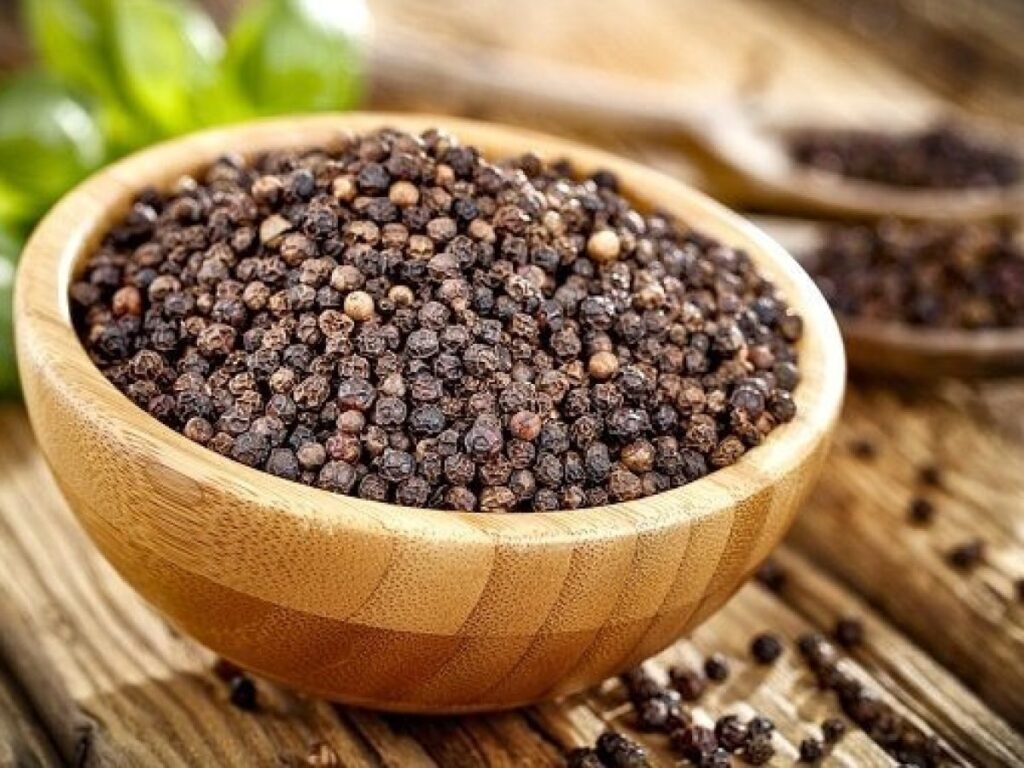
Why Black Pepper Prices Reached Record Highs
1. Vietnam Production Collapse: The Primary Driver
Vietnam, which accounts for over 40% of global black pepper exports, experienced a significant production decline that triggered the current price surge. The roots of this crisis trace back to 2018, when pepper prices crashed and many Vietnamese farmers uprooted their vines or stopped investing in new plantings.
Since pepper vines take 3-4 years to reach productive maturity, the planting decisions made during the 2018 price collapse are now impacting 2025-2026 harvests. Current Vietnamese production is estimated to be substantially lower than the 5-year average, with tight carry-over stocks from the previous season adding further pressure.
Vietnamese pepper prices in key growing regions like Dak Lak and Dak Nong have climbed to 149,000 VND/kg (approximately $6.00-$6.20/kg), with some analysts forecasting prices could reach 200,000 VND/kg if supply remains constrained. This represents the highest price levels Vietnam has seen in nearly a decade.
2. Weather Disruptions Across Major Origins
Climate volatility has compounded production challenges across all major pepper-producing regions:
India: Irregular monsoon patterns and drought conditions in Kerala and Karnataka affected flowering and fruit set, though the 2025 Southwest Monsoon showed some improvement.
Indonesia: Unpredictable rainfall and dry spells impacted yields, pushing Indonesian pepper prices to approximately $7,300 per tonne.
Brazil: Persistent drought and production difficulties have kept Brazilian ASTA 570 quality pepper prices elevated at $6,400–$6,800 per tonne.
According to the International Pepper Community (IPC), global black pepper production declined by 11% between 2020 and 2021, and weather-related production risks continue to threaten stable supply.
3. Rising Global Demand and Supply Chain Pressures
Strong demand from the United States, European Union, and emerging markets has collided with constrained supply, creating an explosive pricing environment. The global black pepper market, valued at $3.5 billion in 2025, is projected to reach $3.63 billion in 2026 and continue growing at a CAGR of 3.9% through 2035.
Additional factors amplifying price pressure include:
- Shipping cost increases: Post-pandemic logistics constraints and rising freight rates have added to landed costs.
- Trade tariffs: The United States has announced a 46% retaliatory tariff on Vietnamese pepper, which is expected to further strain supply and push prices higher for U.S. importers.
- Inventory constraints: Many importers and traders held minimal stocks during the price spike, forcing panic buying when availability tightened.
Current Price Snapshot by Origin (Q4 2025 – Q1 2026)
Understanding price differentials across major origins helps buyers identify sourcing opportunities and manage cost exposure:
Vietnam (500-550 g/L grade): $6.10–$6.80/kg, up 9-12% from January 2025
Indonesia: Approximately $7,300/tonne (FOB)
Malaysia: Around $9,200/tonne (FOB), reflecting premium positioning and lower export volumes
Brazil (ASTA 570): $6,400–$6,800/tonne, with production challenges keeping prices firm
India: Prices tracking above long-term averages due to limited availability and strong industrial demand from food processing and pharmaceutical sectors
These price levels represent near-decade highs and reflect fundamental supply-demand imbalances rather than speculative trading.
Black Pepper Price Forecast for 2026
Stable-to-Firm Market Expected
Industry analysts anticipate a stable-to-firm price environment throughout 2026, with limited downside risk even if production improves modestly.
Key forecast drivers include:
Limited supply relief: While India’s 2025 Southwest Monsoon showed improvement and could support a healthy crop, this is unlikely to fully offset reduced Vietnamese and Indonesian output. Replanting efforts in Vietnam will not translate into meaningful production increases until late 2026 or beyond.
Strong global demand: Robust demand from developed markets (U.S., EU) and growing consumption in Asia will provide solid price support throughout 2026.
Tariff impact: U.S. tariffs on Vietnamese pepper (46%) will redirect some supply to other markets but may also create regional price distortions and push U.S. buyers toward alternative origins at premium prices.
Weather uncertainty: Climate forecasts remain uncertain, and any adverse weather during critical growing periods in 2026 could trigger another price spike.
Carry-over stock depletion: Modest carry-over stocks from 2025 mean the market will be highly sensitive to new crop performance.
Buyers should not expect significant price drops, especially for high-quality, graded material such as TGSEB 500g/L+, steam-sterilized, or organic-certified pepper.
Strategic Recommendations for Buyers and Traders
1. Lock in Contracts During Pre-Harvest Windows
Forward contracting during Q4 2025 and Q1 2026 (pre-harvest windows for India and Vietnam) is a prudent strategy to hedge against in-season volatility and secure volume at predictable prices. Buyers who delay purchasing decisions risk exposure to further price increases if weather events or geopolitical factors tighten supply unexpectedly.
2. Diversify Sourcing Origins
Relying exclusively on Vietnamese pepper exposes buyers to concentrated supply risk. Consider building multi-origin portfolios that include:
- India: TGSEB and Malabar grades with strong quality control and EU MRL compliance
- Brazil: ASTA 570 quality for specific food processing applications
- Indonesia: For buyers with established relationships and flexible quality specifications
Diversification improves supply security and provides negotiating leverage.
3. Prioritize Quality Over Price
In tight markets, low-cost pepper often comes with higher rejection risk, especially for exports to the EU where 0.01 ppm MRL compliance and TRACES NT pre-notification are non-negotiable. Investing in steam-sterilized, lab-tested, well-documented pepper reduces border delays, quality claims, and downstream compliance issues.
4. Monitor Weather and Crop Reports Closely
Track monsoon performance, flowering reports, and harvest updates from key origins on a quarterly basis. Early signals of production stress can help buyers adjust purchasing strategies before prices react.
5. Consider Alternative Spices and Formulations
For retailers and food manufacturers facing margin pressure, explore promotional strategies highlighting alternative spices or adjusting product formulations to offset higher pepper costs without compromising consumer appeal.
Outlook Beyond 2026: When Will Prices Normalize?
Price normalization depends on production recovery, particularly in Vietnam, which requires significant replanting and 3-4 years of vine maturation. Unless substantial new supply enters the market, elevated prices are likely to persist through 2026 and potentially into 2027.
The global black pepper market is projected to grow from $3.63 billion in 2026 to $5.14 billion by 2035 at a CAGR of 3.9%, indicating sustained long-term demand that will keep upward pressure on prices even as production gradually recovers.
For buyers and traders, the 2026 market represents a transitional phase where strategic sourcing, relationship-building with reliable suppliers, and risk management through forward contracts will determine competitive advantage.
Final Takeaway
Black pepper prices hit record highs in 2025-2026 due to a convergence of Vietnam’s production collapse, weather disruptions across major origins, rising global demand, and supply chain pressures. The 2026 outlook is stable-to-firm, with limited downside risk and continued support from strong demand fundamentals.
Buyers who act now to secure supply through pre-harvest contracts, diversify sourcing, and prioritize quality over marginal price savings will be best positioned to navigate this challenging market and protect their supply chains through 2026 and beyond.