
Japan represents one of the world’s most lucrative yet demanding spice markets. With imports valued at $151.61 million annually and premium pricing that can reach $3.50-$4.50 per kilogram for specialty-grade black sesame, this market offers extraordinary opportunities for Indian exporters who understand its unique requirements. But success in Japan isn’t just about quality—it’s about meeting exacting certification standards, understanding cultural preferences, and navigating a distribution network unlike any other in the world.
At Sadbhaav Spices, we’ve successfully exported to Japan and understand what it takes to crack this premium market. This comprehensive guide reveals everything you need to know about exporting spices to Japan, with special focus on JAS organic certification, Halal requirements, wagashi-grade specifications, and the Tokyo importer landscape.
Why Japan? The Premium Spice Market Opportunity
Japan’s spice and seasoning market reached $992.4 million in 2024, with projections showing it will grow to $1,081.5 million by 2033. Unlike price-sensitive markets, Japan prioritizes quality, authenticity, and food safety above all else, creating a perfect opportunity for premium Indian exporters.
Key Market Statistics:
Market Size & Growth:
- Total market value: $992.4 million in 2024, projected to reach $1,081.5 million by 2033
- Annual growth rate (CAGR): 4.39% through 2032
- Japan’s spice imports: $151.61 million, representing 3.7% of global trade
Import Dependency:
- Japan relies on imports for over 90% of its spice supply
- Self-sufficiency rate remains below 10% for most spices
- Only produces limited quantities of wasabi, Japanese pepper, and garlic domestically
Premium Pricing Reality:
- Average import price: $3,961 per ton in 2024, up 2.1% year-over-year
- Black sesame: $3.50-$4.50/kg for wagashi-grade (vs. $1.20-$1.80/kg conventional)
- Organic certified products: 30-50% premium over conventional
- Specialty grades for food manufacturing: 25-40% premium
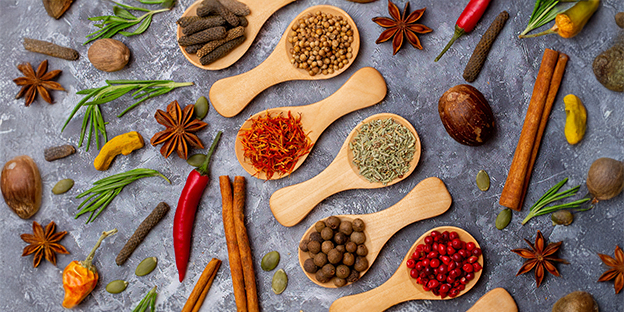
Major Spice Categories in Demand:
Traditional Essentials:
- Black Sesame (Kuro Goma) – Essential for wagashi, confectionery, and Japanese cuisine
- Ginger (Shoga) – Fresh and dried for sushi, pickles, and beverages
- Black Pepper – Fine dining and premium food manufacturing
- Turmeric – Health supplements, curry products, natural colorants
- Chilli/Red Pepper – Shichimi togarashi blends, ramen, yakitori
- Cumin – Curry products, international cuisine
- Cardamom – Confectionery, beverages, premium blends
Emerging Opportunities:
- Health-focused spices with antioxidant properties gaining traction
- Organic and pesticide-free varieties for health-conscious consumers
- Ready-to-use spice blends for home cooking surge post-COVID
- Specialty grades for confectionery and wagashi manufacturers
Understanding JAS Organic Certification: Your Gateway to Premium Japan
JAS (Japan Agricultural Standards) is the mandatory certification for exporting and marketing organic products in Japan. Without it, you cannot use the term “organic” or “yuuki” on products sold in the Japanese market. For Indian exporters targeting premium segments, JAS certification is non-negotiable.
What is JAS Organic Certification?
Established in 2000 based on Codex Alimentarius Commission guidelines, JAS covers agricultural products, processed foods, livestock products, feed, and algae (honey is excluded). The certification ensures products meet Japan’s strict organic production standards.
Key JAS Requirements:
Agricultural Standards:
- No chemical fertilizers or pesticides on farmland for at least three years
- No GMO seeds or crops
- Farming methods that conserve ecosystems and maintain soil health
- Environmental conservation and biodiversity protection
Processing Standards:
- Two distinct company roles required: “Responsible for production process” and “Responsible for verifying conformity” (grading)
- Both managers must attend JAS training seminars and obtain qualification certificates
- Daily production process management records
- Regular on-site inspections by registered certification bodies
- Quality management systems and traceability protocols
Labeling Requirements:
- Only products with 95% or more organic content may be labeled as JAS organic
- No “100% organic” or “made with organic” labeling categories in Japan
- Must display the JAS organic seal on all products
- Proper ingredient disclosure and country of origin labeling
India-Japan Organic Equivalence Agreement
Good news for Indian exporters: Japan recognizes EU Organic certification validity for vegetable productions through equivalence agreements. However, this creates specific pathways:
For Plant Products:
- If EU organic certified, additional JAS certification primarily needed for food processors
- Direct farm products may leverage equivalence agreements
- One key difference: prohibition of calcium chloride as leaf fertilizer
For Processed Products:
- JAS certification required for all food industries except those doing only packaging
- Must comply with Japanese processing standards
- Separate certification for livestock products
Documentation Required:
- USDA Export Certificate Form TM-11 for products going to Japan (for US-based operations)
- For Indian exporters: verification certificates from APEDA or equivalent
- Certificate must state compliance with equivalence arrangement terms
- Complete supply chain documentation from farm to export
How to Obtain JAS Certification from India
Step 1: Choose a Registered Certification Body Select a Registered Foreign Certification Organization (RFCO) accredited by Japan’s Ministry of Agriculture (MAFF). Options include:
- ICEA (Italy-based, recognized in Japan)
- Bioagricert
- Control Union
- India Organic Certification Agency (INDOCERT)
Step 2: Application & Documentation Submit comprehensive documentation:
- Farm/processing facility details and management plans
- Complete ingredient lists and supplier certifications
- Production process flowcharts
- Quality control procedures
- Pest management strategies
- Soil management records (3+ year history)
Step 3: On-Site Inspection
- Certification body sends supervisory technician to verify operations
- Field inspections for agricultural operations
- Processing facility audits for manufacturers
- Review of production process management records
Step 4: Grading Manager Qualification
- Attend JAS training seminar (available online)
- Obtain qualification certificate for grading manager
- Establish quality verification systems before sale
Step 5: Certification & Renewal
- Receive JAS certificate upon passing all requirements
- Annual renewal examinations required
- Biennial full recertification for major certifications
- Continuous compliance monitoring
Investment Considerations:
- Initial certification: $2,000-$5,000 USD depending on scale
- Annual renewal: $500-$1,500 USD
- Inspection costs: $1,000-$3,000 per visit
- Training and documentation: $500-$1,000
- Total first-year investment: $4,000-$10,000 USD
Timeline:
- Application to certification: 3-6 months
- Land conversion period: 36 months (if not already organic)
- Processing facility certification: 2-4 months
- Total time to market: 6-12 months (excluding land conversion)
Halal Certification for Japan: Tapping the Muslim Market
While Japan’s Muslim population is relatively small, Halal certification has become increasingly important due to growing Muslim tourism and expatriate communities. For spice exporters, Halal certification opens doors to:
- Hotels and restaurants serving Muslim tourists
- Food manufacturers exporting to Muslim-majority countries
- International cuisine restaurants
- Muslim-friendly retail chains
Understanding Halal Japan Certification (HJC)
Japan offers two main certification routes: JAKIM Halal certification and HJC Muslim-friendly certification.
JAKIM Halal Certification:
- Most stringent certification, recognized internationally
- Certified factories cannot manufacture non-Halal products
- Collaboration between JAKIM and Halal Japan Corporation
- Requires biennial renewal
- Investment: Approximately ¥2,000,000 ($13,500 USD)
HJC Non-Alcohol and Non-Pork Certification:
- Allows manufacturing of both Muslim and non-Muslim products in dedicated sections
- More flexible for mixed-product facilities
- Annual renewal required
- Lower cost: $3,000-$5,000 USD initially
Halal Requirements for Spice Exporters
Critical Control Points for Spices:
Raw Material Verification:
- Vegetable-derived spices generally meet Halal requirements, but processing aids and additives must be verified
- Oleoresins (chilli, spices) may contain animal-derived emulsifiers like polysorbate or monooleate glycerol
- All processing enzymes must be from Halal sources
- No alcohol-based extraction methods
Processing Standards:
- Detailed ingredient lists showing all raw materials, additives, and processing aids
- Supplier certifications or suitability statements for all ingredients
- Production process flowchart showing no cross-contamination with non-Halal elements
- Dedicated storage areas for Halal products
- Clean-down procedures between production runs
Alcohol and Contamination:
- Ethanol produced by non-Khamr industry is permissible if undetectable in finished product
- Prohibited if detected above 5,000 PPM in finished product
- No fermentation-based processes
- Separate equipment for Halal production
Documentation:
- Quality inspection records for each batch
- Halal certificates from all suppliers
- Processing procedure documentation
- Traceability records from farm to shipment
Japanese Halal Certification Bodies
NPO Japan Halal Association:
- Approved by JAKIM (Malaysia), MUIS (Singapore), BPJPH (Indonesia), HAK (Turkey), GAC (Gulf countries), and MOIAT (UAE)
- First Japanese organization to receive GAC accreditation in 2016
- Internationally recognized certification
Halal Japan Corporation (HJC):
- Offers both JAKIM and HJC-specific certifications
- Muslim participation required in internal Halal Committee
- Training and consultation services available
Application Process:
- Choose certification level (JAKIM or HJC)
- Submit application with facility and product documentation
- Implement required Halal management systems
- On-site audit by certification body
- Certification issuance
- Annual/biennial renewal
Strategic Advantage: While not mandatory for all Japanese spice imports, Halal certification:
- Demonstrates commitment to quality and compliance
- Opens doors to Muslim-focused distributors and restaurants
- Positions products for re-export to Muslim-majority countries
- Appeals to ethically-conscious Japanese consumers
- Commands 10-15% premium in certain segments
Black Sesame: Japan’s Premium Spice Opportunity
Black sesame (kuro goma in Japanese) represents one of the highest-value spice export opportunities to Japan. 99.9% of sesame consumed in Japan is imported, creating massive opportunity for Indian suppliers who can meet Japanese quality standards.
Why Black Sesame Commands Premium Pricing
Cultural Significance: Black sesame is deeply embedded in Japanese food culture:
- Essential ingredient in wagashi (traditional Japanese sweets)
- Key component of gomashio (sesame salt) sprinkles
- Used in confectionery, ice cream, yokan, dorayaki, and mochi
- Popular in health foods and beverages
- Traditional medicine and wellness applications
Quality Differentiation:
- Top Japanese processors like Wadaman (operating for 130+ years) personally roast seeds for over 40 years to achieve distinct flavor profiles
- Japanese consumers distinguish between grades based on:
- Oil content (20-23% for premium grades)
- Seed size uniformity
- Color intensity (deeper black commands premium)
- Aroma profile after roasting
- Absence of foreign matter
- Pesticide residue levels
Wagashi-Grade Specifications
Wagashi manufacturers—makers of traditional Japanese confections—require the highest-quality black sesame with specific characteristics:
Physical Requirements:
- Seed size: 2.5-3.0mm uniform
- Color: Deep, consistent black (no brown or discolored seeds)
- Moisture content: 6-7% maximum
- Foreign matter: <0.01% (virtually nil)
- Broken seeds: <2%
- Hull intact: 100%
Chemical Standards:
- Oil content: 20-23%
- Sesamin content: 0.5-0.7%
- Sesamolin content: 0.3-0.5%
- Protein: 20-25%
- Calcium: 1,000-1,200mg per 100g
Safety Standards:
- Pesticide residues: Must meet Japan’s stringent MRL (Maximum Residue Limits)
- Aflatoxin: <5 ppb (parts per billion)
- Heavy metals: Within Japanese Food Sanitation Act limits
- No irradiation treatment (prohibited in Japan)
- Microbiological safety: Standard plate count <10,000 CFU/g
Sensory Characteristics:
- Rich, nutty aroma when roasted
- No off-flavors or rancidity
- Crunchy texture after roasting
- Sweet aftertaste
- Aesthetic appeal (uniform appearance)
Premium Pricing for Wagashi-Grade Black Sesame
Price Tiers:
Conventional Grade:
- $1.20-$1.80/kg FOB India
- General food manufacturing use
- Standard quality specifications
Food Manufacturing Premium Grade:
- $2.00-$2.80/kg FOB India
- Higher uniformity and cleanliness
- Suitable for processed foods
Wagashi-Grade:
- $3.50-$4.50/kg FOB India
- Meets strictest specifications
- Used by traditional confectioners
- Direct supply to premium brands
JAS Organic Wagashi-Grade:
- $4.50-$6.00/kg FOB India
- Organic certification premium
- Limited supply, highest demand
- Premium positioning in market
Sourcing Wagashi-Grade Black Sesame from India
Best Production Regions:
- Gujarat: Saurashtra region for oil-rich varieties
- Rajasthan: Large-seeded black varieties
- Madhya Pradesh: Consistent quality production
- Uttar Pradesh: Traditional black sesame cultivation
Quality Control Process:
- Seed Selection: Work with farmers cultivating specific varieties suitable for Japanese market
- Harvesting: Proper timing to ensure oil content and seed maturity
- Post-Harvest: Immediate drying to 6-7% moisture
- Cleaning: Multi-stage cleaning to remove all foreign matter
- Sorting: Size-based sorting for uniformity
- Color Sorting: Optical sorters to remove discolored seeds
- Metal Detection: Ensure no metallic contamination
- X-Ray Inspection: Final check for foreign materials
- Lab Testing: Verify oil content, pesticide residues, and aflatoxin levels
- Packaging: Food-grade materials with proper sealing
Sadbhaav’s Advantage: At Sadbhaav Spices, our network of 5,000+ farmers across Gujarat allows us to implement wagashi-grade protocols from the field level. Our solar drying technology ensures consistent moisture levels, while our quality control center performs rigorous testing to meet Japanese standards. With 99.95% purity guaranteed and APEDA & FSSAI compliance, we’re positioned to supply premium Japanese buyers.
Navigating Japan’s Import Regulations for Spices
Japan has some of the world’s strictest food import regulations. Understanding and complying with these is essential for successful market entry.
Key Regulatory Bodies
Ministry of Agriculture, Forestry and Fisheries (MAFF):
- Oversees JAS certification system
- Sets agricultural product standards
- Manages plant quarantine requirements
Ministry of Health, Labour and Welfare (MHLW):
- Enforces Food Sanitation Act
- Conducts food safety inspections
- Sets pesticide residue limits
- Tests for contaminants and additives
Plant Protection Stations:
- Conducts quarantine procedures for unprocessed spices at airports and ports
- Inspects for pest and harmful plant contamination
- Issues phytosanitary certificates
Import Procedures for Spices
Step 1: Pre-Shipment Compliance
- Verify products meet Japanese standards
- Obtain necessary certifications (JAS, Halal if applicable)
- Prepare phytosanitary certificates from Indian authorities
- Create proper product labeling
Step 2: Documentation Required
- Commercial invoice
- Packing list
- Bill of lading/airway bill
- Certificate of origin (country of origin must be accurately labeled)
- Phytosanitary certificate (for unprocessed spices)
- Food Import Notification Form
- Test reports (pesticide residues, aflatoxin, heavy metals)
- JAS certificate (for organic products)
- Halal certificate (if claiming Halal status)
Step 3: Import Notification
- Submit Food Import Notification to quarantine stations
- Provide detailed product specifications
- Declare all ingredients and additives
- Submit manufacturer information
Step 4: Quarantine & Inspection
- Fresh or unprocessed spices undergo plant quarantine screening
- Individually packaged or processed spices exempt from Plant Protection Act but subject to food sanitation inspection
- Random sampling for laboratory testing
- Inspection for proper labeling
Step 5: Clearance & Distribution
- Upon passing all inspections, customs clearance issued
- Products can be released to importers
- Maintain traceability records for distribution
Critical Compliance Requirements
Pesticide Residue Limits:
- Japan maintains one of the world’s most stringent pesticide MRLs
- Approved limits of 0.01 ppm apply to many substances
- Regular monitoring and enforcement
- Non-compliance results in rejection at port
- Products from regions with previous violations face enhanced scrutiny
Recent Enforcement Actions: The Japanese government has strengthened monitoring following several incidents. Indian exporters must ensure:
- Use of only approved pesticides during cultivation
- Strict adherence to pre-harvest intervals
- Regular testing before shipment
- Documentation of agricultural practices
Irradiation Prohibition:
- Food irradiation for sterilization is prohibited in Japan
- Even though allowed in some countries, irradiated products cannot enter Japan
- Alternative sterilization methods required:
- Steam sterilization (preferred)
- Heat treatment
- Controlled atmosphere storage
- Proper drying and moisture control
Labeling Requirements: Comprehensive labeling mandated by Food Sanitation Act and Act for Standardization and Proper Labeling of Agricultural and Forestry Products:
- Product name in Japanese
- Country of origin for all ingredients
- Name and address of importer in Japan
- Net weight/volume
- Best before date
- Storage instructions
- Nutritional information (for mixtures and blends)
- All ingredients listed in descending order
- Allergen information
- JAS organic seal (if certified)
Aflatoxin Control: Following several rejections of spice imports due to aflatoxin contamination:
- Maximum level: <5 ppb for most spices
- Enhanced testing for high-risk products (chilli, turmeric)
- Proper storage conditions to prevent growth
- Temperature and humidity controls
- Regular testing throughout supply chain
Tokyo Importers: Your Gateway to the Japanese Market
Success in Japan often depends on partnering with the right importer or trading company. Tokyo, as Japan’s commercial capital, hosts the country’s major spice importers and trading houses.
Major Tokyo-Based Spice Importers
K. Kobayashi & Co., Ltd.
- Japan’s first spice trading company certified with FSSC 22000
- Direct imports of spices, herbs, nuts, dried fruits
- International certification and quality focus
- Strong relationships with global suppliers
- Target for premium and organic spices
Kaneka Sun Spice Corporation
- Imports 5,000+ tons of spices annually from worldwide sources
- Visits suppliers globally for guidance and quality checks
- Strong relationship-based purchasing systems
- Expert technicians for quality assessment
- Collaborative development space for new products
- Focus: Spice blends, seasonings, liquid spices
- Regional presence in Vietnam, Shanghai, Thailand
Takasago Spice Co., Ltd.
- Part of Takasago International Group
- First company in Japan spice industry to introduce airflow sterilization equipment in 1981
- Contract processing services (grinding, sterilization, sorting, roasting)
- Located in Kamata, Ota-ku, Tokyo
- Focus: Technical processing and food safety
Vox Trading
- Tokyo headquarters with regional offices
- Spice Division specialized in imports
- Food Division for processed products
- Agribusiness Division for agricultural supplies
- Multi-regional distribution network
Quantum Enterprises K.K.
- Indian food and beverage importer specializing in India-Japan trade
- Ships from Chennai, India to Japan
- Focus on competitive pricing for Indian foods and spices
- Direct India connection advantageous for Indian exporters
How to Approach Tokyo Importers
Research & Targeting:
- Identify importers handling your spice category
- Understand their quality standards and certifications
- Review their supplier requirements
- Assess their distribution channels
- Determine their volume requirements
Initial Contact Best Practices:
- Professional English communication (some Japanese preferred)
- Detailed company profile emphasizing:
- Certifications (FSSAI, APEDA, JAS if obtained, Halal if applicable)
- Production capacity
- Quality control systems
- Export experience
- Farmer network and sourcing capabilities
- Product specifications with:
- Detailed technical specs
- Test reports (pesticide, aflatoxin, heavy metals)
- Photos showing product quality
- Pricing (FOB/CIF Tokyo port)
- Minimum order quantities
- Willingness to provide samples
Sample Submission:
- Send properly labeled samples (50-100g per product)
- Include complete technical specification sheets
- Provide test certificates
- Include pricing and commercial terms
- Follow up within 2 weeks
Negotiation Considerations:
- Payment terms: L/C at sight most common for first orders
- Inspection rights: Japanese buyers often reserve right to inspect
- Quality guarantees: Be prepared to stand behind your quality claims
- Long-term relationships: Japanese business culture values loyalty
- Consistency: Ability to maintain quality across seasons critical
Trade Shows & Events:
- FOODEX Japan (Makuhari Messe, Chiba) – March annually
- Asia’s largest food and beverage trade show
- Over 3,000 exhibitors, 80,000+ attendees
- Ideal for meeting multiple importers
- Supermarket Trade Show (Makuhari Messe) – February
- Focus on retail products
- Good for packaged spices
- Japan International Food & Beverage Exhibition – Various dates
- Industry networking opportunities
JETRO Support: Japan External Trade Organization provides:
- Market entry guidance
- Buyer matching services
- Regulatory compliance assistance
- Trade mission participation
Distribution Channels in Japan
Understanding the full distribution landscape helps you target the right importers:
Primary Importers/Trading Companies ↓
- Handle customs, regulatory compliance
- Quality control and testing
- Initial market entry point
Wholesalers/Distributors ↓
- Regional and national distribution
- Relationship with retail and food service
- Inventory management
End Users:
- Food Manufacturers (30-40% of market)
- Curry manufacturers
- Snack food companies
- Confectionery makers (wagashi)
- Instant noodle producers
- Seasoning manufacturers
- Food Service (25-30% of market)
- Restaurant chains
- Hotel chains
- Catering companies
- Institutional food service
- Retail (25-30% of market)
- Supermarket chains
- Specialty food stores
- Online retailers
- Department store food halls
- Food Processing (10-15% of market)
- Spice grinding and blending
- Ready-to-use seasonings
- Private label manufacturers
Building a Winning Japan Export Strategy
Success in Japan requires more than just quality products—it demands strategic planning, cultural understanding, and unwavering commitment to excellence.
Phase 1: Certification & Compliance (Months 1-6)
Immediate Actions:
- Assess current quality systems against Japanese standards
- Identify certification gaps (JAS, Halal if targeting)
- Engage with recognized certification bodies
- Begin documentation and record-keeping improvements
Quality Upgrades:
- Install metal detectors and x-ray inspection if not present
- Implement FSSC 22000 or equivalent food safety management
- Upgrade cleaning and sorting equipment
- Establish testing protocols for Japanese standards
Documentation Systems:
- Farm-level traceability
- Production batch records
- Quality testing logs
- Supplier certifications
- Pest management records
Phase 2: Product Development (Months 4-9)
Grade Differentiation:
- Develop wagashi-grade specifications for premium segments
- Create standard grades for general manufacturing
- Establish organic lines if feasible
- Consider value-added offerings (roasted, ground, blends)
Sample Preparation:
- Prepare samples meeting exact Japanese specifications
- Create professional specification sheets in English/Japanese
- Obtain all necessary test reports
- Develop attractive packaging samples
Pricing Strategy:
- Research competitive pricing for different grades
- Calculate landed costs (CIF Tokyo)
- Build in margin for quality guarantees
- Premium positioning for certified/wagashi grades
Phase 3: Market Entry (Months 6-12)
Importer Partnership:
- Target 5-7 potential Tokyo importers
- Attend FOODEX Japan or similar trade shows
- Submit samples and proposals
- Negotiate terms with interested parties
First Shipment:
- Start with trial orders (1-2 MT)
- Ensure flawless documentation
- Maintain communication throughout process
- Request feedback on product reception
Relationship Building:
- Regular communication with importers
- Responsiveness to quality inquiries
- Flexibility in addressing initial concerns
- Commitment to continuous improvement
Phase 4: Market Expansion (Year 2+)
Volume Growth:
- Scale up based on market response
- Maintain consistency as volumes increase
- Invest in additional capacity if needed
Product Line Extension:
- Add complementary spices to portfolio
- Develop custom blends for specific customers
- Explore organic and specialty segments
Direct Customer Development:
- With established importer, meet end-users
- Understand specific application requirements
- Customize offerings for major accounts
Brand Building:
- Develop reputation for quality and reliability
- Seek testimonials and references
- Participate in buyer missions to India
- Showcase farm and processing operations
Common Pitfalls to Avoid
Learning from others’ mistakes can save significant time and money:
Certification Shortcuts:
- Never claim organic without proper JAS certification
- Don’t assume other certifications substitute for JAS
- Avoid delay in obtaining required certifications
Quality Compromises:
- Never mix grades to meet specifications
- Don’t skip testing to save costs
- Avoid shortcuts in cleaning and sorting
Communication Gaps:
- Respond promptly to inquiries (Japanese value responsiveness)
- Don’t over-promise and under-deliver
- Be transparent about challenges
Documentation Errors:
- Ensure all paperwork is accurate and complete
- Double-check labeling compliance
- Maintain proper export documentation
Price Competition:
- Don’t compete solely on price in premium market
- Value consistency and quality over lowest price
- Understand total cost of quality issues
Relationship Neglect:
- Japanese business values long-term relationships
- Don’t disappear between orders
- Maintain regular communication even without active business
The Sadbhaav Advantage: Your Partner for Japan Success
At Sadbhaav Spices, we’ve built our reputation on delivering exactly what premium markets like Japan demand: unwavering quality, complete traceability, and absolute reliability.
Why Leading Tokyo Importers Choose Sadbhaav:
Certification Ready:
- APEDA & FSSAI compliant
- EU Organic equivalent standards
- JAS certification pathway established
- Halal-ready processing capabilities
Quality Systems:
- 99.95% purity guaranteed
- Multi-stage cleaning and sorting
- Advanced metal detection and x-ray inspection
- ISO 22000 food safety management
- In-house laboratory testing
Traceability:
- Direct relationships with 5,000+ farmers
- Farm-to-shipment documentation
- Batch-level tracking
- Pesticide use records
- Harvest date traceability
Sustainable Practices:
- Solar drying technology (15% emissions reduction)
- Environmentally conscious processing
- Fair farmer pricing
- Long-term farmer partnerships
Japan-Specific Capabilities:
- Wagashi-grade black sesame sourcing
- JAS organic certification support
- Halal certification available
- Japanese specification compliance
- Customized packaging for Japanese market
- Technical support in English and basic Japanese
- Experience with Tokyo port logistics
Product Portfolio for Japan:
Black Sesame:
- Conventional grade: $1.80-$2.20/kg FOB
- Premium food grade: $2.50-$3.00/kg FOB
- Wagashi grade: $3.80-$4.50/kg FOB
- Organic wagashi grade: $5.00-$5.80/kg FOB
Other Premium Spices:
- Organic turmeric (high curcumin)
- Premium black pepper (Tellicherry grade)
- Organic red chilli (controlled heat levels)
- Cumin seeds (Gujarat high-oil varieties)
- Cardamom (green and black varieties)
- Coriander seeds (uniform size)
- Fennel seeds (sweet variety)
Case Study: Success Story in Japanese Market
While we maintain client confidentiality, we can share insights from our Japan export journey:
Challenge: A Tokyo-based confectionery manufacturer needed consistent supply of wagashi-grade black sesame with:
- Oil content above 22%
- Zero tolerance for foreign matter
- Quarterly shipments of 5 MT
- Competitive pricing under $4.20/kg CIF Tokyo
Solution:
- Identified specific farmer cluster in Gujarat producing high-oil varieties
- Implemented dedicated harvest timing protocols
- Installed additional optical sorters for 99.99% purity
- Established quarterly testing schedule
- Created direct shipping protocol via Mundra Port
Results:
- Consistent supply for 18+ months
- Zero rejections or quality complaints
- Contract extended to include organic varieties
- Introduction to three additional customers through referrals
- Volume increased to 15 MT quarterly
Key Learnings:
- Japanese buyers value consistency over one-time perfection
- Investment in quality control equipment pays dividends
- Communication and transparency build trust
- Long-term thinking leads to stable, profitable relationships
Financial Considerations: ROI on Japan Exports
Entering the Japanese market requires investment, but the returns justify the effort:
Initial Investment Breakdown:
Certification Costs:
- JAS Organic: $4,000-$8,000 (first year)
- Halal (HJC): $3,000-$5,000
- Testing & laboratory: $2,000-$3,000
- Consultant support: $2,000-$5,000
- Total certification: $11,000-$21,000
Quality Infrastructure:
- Advanced sorting equipment: $15,000-$30,000 (if needed)
- Metal detector/X-ray: $10,000-$25,000 (if needed)
- Laboratory equipment: $5,000-$10,000
- Packaging upgrades: $3,000-$7,000
- Total infrastructure: $33,000-$72,000 (one-time)
Market Entry:
- Trade show participation: $5,000-$10,000
- Sample shipments: $1,000-$2,000
- Marketing materials: $1,000-$2,000
- Travel (if visiting): $3,000-$5,000
- Total market entry: $10,000-$19,000
First Year Total Investment: $54,000-$112,000
Revenue Potential:
Scenario 1: Conservative Entry
- Product: Premium black sesame
- Volume: 24 MT annually (2 MT/month)
- Price: $3.80/kg FOB
- Revenue: $91,200
- Gross margin: 35-40%
- Net profit: $32,000-$36,000
Scenario 2: Moderate Growth
- Products: Black sesame + turmeric + cumin
- Volume: 60 MT annually (5 MT/month)
- Average price: $3.20/kg FOB
- Revenue: $192,000
- Gross margin: 35-40%
- Net profit: $67,000-$77,000
Scenario 3: Established Supplier (Year 3+)
- Diversified portfolio: 5-6 spice varieties
- Volume: 150 MT annually
- Average price: $3.50/kg FOB
- Revenue: $525,000
- Gross margin: 38-42%
- Net profit: $200,000-$220,000
Payback Period:
- Conservative: 1.5-3 years
- Moderate: 10-18 months
- With JAS organic premium: 8-12 months
Long-Term Value: Beyond immediate profits, Japan offers:
- Market stability: Long-term contracts (3-5 years common)
- Reputation building: Success in Japan opens doors to Korea, Taiwan
- Price premium: 25-50% higher than conventional markets
- Volume growth: Loyal customers increase orders over time
- Product development: Feedback leads to better products globally
Logistics & Shipping Considerations
Efficient logistics are crucial for maintaining quality and profitability:
Shipping Routes from India to Japan
Major Indian Ports:
- Mundra Port (Gujarat) – Closest to Sadbhaav operations
- Direct services to Tokyo/Yokohama
- Transit time: 18-22 days
- Frequency: Weekly sailings
- Nhava Sheva/JNPT (Mumbai)
- High-frequency Japan services
- Transit time: 20-24 days
- Most shipping line options
- Chennai Port
- Direct East Asia connections
- Transit time: 16-20 days
- Good for South India sourcing
Japanese Discharge Ports:
- Tokyo Port: Primary entry for Kanto region
- Yokohama Port: Alternative near Tokyo, excellent facilities
- Osaka Port: Kansai region distribution
- Kobe Port: Western Japan access
Shipping Options
Full Container Load (FCL):
- 20ft container: 18-20 MT capacity
- 40ft container: 25-28 MT capacity
- Cost: $1,800-$2,500 per 20ft (varies by season)
- Recommended for: Orders above 15 MT
Less than Container Load (LCL):
- Minimum: 1 CBM (approximately 500-800 kg depending on packaging)
- Cost: $120-$180 per CBM
- Recommended for: Trial orders, samples, small quantities
Air Freight:
- High-value products only (organic wagashi-grade)
- Cost: $3.50-$5.50 per kg
- Transit: 3-5 days
- Use for: Urgent orders, samples, very high-value small quantities
Packaging for Japan
Japanese buyers are particular about packaging:
Primary Packaging:
- Food-grade PP or PE bags
- Thickness: 80-100 microns minimum
- Vacuum-sealed for premium products
- Nitrogen flushing for extended freshness
- Clear labeling in English (Japanese labels added by importer)
Secondary Packaging:
- New, clean cartons (no reused boxes)
- Double-wall corrugated for sea freight
- Weight: 10-25 kg per carton (easy handling)
- Proper strapping and sealing
- Clear marking: Product name, net weight, batch number, production date
Palletization:
- Euro pallets (1200mm x 800mm) or standard pallets (1200mm x 1000mm)
- Plastic wrap: 5-6 layers minimum
- Corner protectors for stability
- Pallet weight: 500-800 kg maximum
- Proper load distribution
Labeling Requirements:
- Country of origin: “Product of India”
- Net weight in kg
- Batch/lot number
- Production date and best-before date
- Storage instructions
- Company name and address (exporter)
- Handling symbols (keep dry, this side up)
Documentation Checklist
Ensure all paperwork is complete before shipment:
- [ ] Commercial invoice (3 copies)
- [ ] Packing list (3 copies)
- [ ] Bill of lading / Airway bill (original + copies)
- [ ] Certificate of origin (preferably e-form)
- [ ] Phytosanitary certificate (if required)
- [ ] Test reports (pesticides, aflatoxin, heavy metals)
- [ ] JAS certificate (for organic products)
- [ ] Halal certificate (if claiming Halal)
- [ ] Insurance certificate
- [ ] Pre-shipment inspection report (if buyer requires)
- [ ] APEDA/FSSAI certificate copies
Pro Tip: Create a master shipment folder (digital and physical) with all documents. Japanese customs and importers value organized, complete documentation.
Cultural Considerations for Business Success
Understanding Japanese business culture significantly impacts your success:
Business Etiquette Essentials
Communication Style:
- Formal, respectful tone in all correspondence
- Use “Dear Mr./Ms. [Last Name]” in emails
- Respond promptly (within 24 hours)
- Be clear and precise—avoid ambiguity
- Under-promise and over-deliver
Relationship Building:
- “Nemawashi” (根回し): Informal consensus-building before formal decisions
- Face-to-face meetings highly valued when possible
- Small gifts when visiting (Indian specialty items appropriate)
- Business cards exchanged with both hands, slight bow
- Remember: Relationships take time but are extremely valuable
Quality Philosophy:
- “Kaizen” (改善): Continuous improvement mindset
- Welcome feedback as opportunity for improvement
- Never defensive about quality issues
- Proactive problem-solving appreciated
- Document improvements made based on feedback
Trust & Reliability:
- Consistency is paramount—never surprise your buyer
- If problems arise, communicate immediately
- Honesty valued over excuses
- Long-term thinking over short-term gains
- “Shinrai” (信頼): Earned trust leads to loyalty
Communication Best Practices
Email Communication:
- Begin with proper greeting and season reference (optional but appreciated)
- State purpose clearly in subject line
- Use structured, bullet-pointed information
- Include all relevant details (specs, prices, timelines)
- End with clear call-to-action
- Thank recipient for their time
Sample Email Opening:
Dear Mr. Tanaka,

I hope this email finds you well. Thank you for your continued
partnership with Sadbhaav Spices.

I am writing to provide an update on your wagashi-grade black
sesame order (PO# 2024-156) scheduled for shipment next week...
Phone/Video Calls:
- Confirm time considering Japan time zone (JST, UTC+9)
- Be punctual (never late)
- Have interpreter if language barrier exists
- Prepare agenda in advance
- Follow up with written summary
Technical Discussions:
- Use precise measurements and specifications
- Provide visual documentation (photos, certificates)
- Avoid colloquialisms or idioms
- Speak clearly and at moderate pace
- Confirm understanding at each step
Negotiation Approaches
Price Discussions:
- Present pricing clearly with breakdown
- Justify premium pricing with quality evidence
- Show cost structure transparently
- Volume discounts appreciated
- Long-term contract pricing considerations
- Never aggressive or pushy
Contract Terms:
- Japanese buyers prefer detailed, clear contracts
- Payment terms: L/C at sight common initially
- Quality guarantees should be specific and measurable
- Inspection rights: Accept reasonable inspection provisions
- Dispute resolution: Specify arbitration methods
- Force majeure: Clearly defined circumstances
Long-Term Perspective:
- First orders often lower margin to prove capability
- Demonstrate commitment to relationship
- Invest in understanding specific needs
- Regular market visits show seriousness
- Patience in relationship development pays dividends
Future Trends in Japan’s Spice Market
Staying ahead of trends positions you for continued success:
Growing Segments
Health & Wellness:
- Turmeric for immunity and anti-inflammation
- Ginger for digestive health
- Black pepper for bioavailability enhancement
- Functional spice blends for specific health benefits
- Adaptogenic spice combinations
Organic & Natural:
- JAS organic demand growing 12% annually
- Pesticide-free increasingly important
- Natural food colorants from spices (turmeric, paprika)
- Clean label products (minimal processing)
- Traceability and transparency valued
Convenience Products:
- Pre-measured spice packets for home cooking
- Ready-to-use spice pastes
- Single-serve grinding options
- Recipe-specific spice kits
- Microwaveable seasoning portions
Ethnic Cuisine:
- Indian curry products experiencing surge
- Southeast Asian spice blends
- Middle Eastern spice interest growing
- Fusion cuisine seasonings
- Authentic regional varieties
Sustainable & Ethical:
- Fair trade certification
- Carbon-neutral production
- Biodegradable packaging
- Direct farmer relationships
- Social impact transparency
Technology Integration
Blockchain Traceability:
- Farm-to-table tracking systems
- QR codes for consumer transparency
- Batch-level authentication
- Quality verification at each step
E-Commerce Growth:
- Direct-to-consumer premium spices
- Subscription spice boxes
- Online specialty stores
- Cross-border e-commerce platforms
AI & Quality Control:
- Automated sorting and grading
- Predictive quality analytics
- Supply chain optimization
- Demand forecasting
Competitive Landscape: India vs. Other Origins
Understanding your competition helps position Indian spices effectively:
India’s Strengths
Advantages:
- Unmatched variety (75+ spice types)
- Traditional cultivation knowledge
- Competitive pricing with quality
- Established organic farming sectors
- Strong government support (Spices Board, APEDA)
- Cultural authenticity for Indian spices
Competitive Edge:
- Black sesame: Superior oil content vs. Chinese varieties
- Turmeric: Higher curcumin content (5-6% vs. 2-3% elsewhere)
- Cumin: Stronger aroma profile than Syrian/Turkish
- Chilli: Diverse heat levels and colors
- Cardamom: Both small and large varieties
Key Competitors
China:
- Strengths: Price competitiveness, massive scale
- Weaknesses: Quality concerns, pesticide issues, processing standards
- Strategy: Position Indian spices as premium quality alternative
Vietnam:
- Strengths: Black pepper dominance, competitive pricing
- Weaknesses: Limited spice variety
- Strategy: Compete on specialty pepper grades, focus on other spices
Myanmar:
- Strengths: Sesame, pulses
- Weaknesses: Political instability, quality inconsistency
- Strategy: Highlight reliability and traceability
Turkey:
- Strengths: Cumin, paprika quality
- Weaknesses: Higher costs, limited capacity
- Strategy: Volume availability and consistent supply
Differentiation Strategy for Indian Exporters:
- Emphasize heritage and authenticity
- Highlight superior quality parameters
- Demonstrate rigorous testing and certification
- Showcase farmer partnerships and traceability
- Competitive pricing on premium grades
- Reliable supply chain and communication
Action Plan: Your 90-Day Roadmap to Japan
Ready to enter the Japanese market? Follow this structured approach:
Days 1-30: Foundation Building
Week 1-2: Assessment & Planning
- [ ] Audit current quality systems against Japanese standards
- [ ] Identify certification gaps (JAS, Halal, testing capabilities)
- [ ] Select target spice products for Japan market
- [ ] Research competitive pricing for your products
- [ ] Calculate investment requirements
Week 3-4: Certification Initiation
- [ ] Contact RFCO for JAS organic certification (if pursuing)
- [ ] Begin documentation compilation for certification
- [ ] Engage testing laboratory for pesticide/aflatoxin analysis
- [ ] Start Halal certification process (if relevant)
- [ ] Implement any necessary quality control upgrades
Days 31-60: Product & Market Preparation
Week 5-6: Product Development
- [ ] Develop wagashi-grade specifications for target products
- [ ] Create samples meeting Japanese specifications
- [ ] Conduct comprehensive testing (pesticides, aflatoxin, heavy metals)
- [ ] Prepare professional specification sheets
- [ ] Design packaging suitable for Japanese market
Week 7-8: Market Research
- [ ] Identify 10-15 potential Tokyo importers
- [ ] Research each importer’s product focus and requirements
- [ ] Prepare company profile emphasizing quality and certifications
- [ ] Register for FOODEX Japan or similar trade show
- [ ] Develop pricing structure (FOB, CIF Tokyo)
Days 61-90: Market Entry
Week 9-10: Outreach Campaign
- [ ] Send introduction emails to target importers
- [ ] Prepare sample shipments (100-200g per product)
- [ ] Follow up with phone calls/video meetings
- [ ] Respond promptly to all inquiries
- [ ] Attend virtual buyer meetings
Week 11-12: Negotiation & First Order
- [ ] Negotiate terms with interested importers
- [ ] Finalize pricing, payment terms, specifications
- [ ] Prepare all required export documentation
- [ ] Arrange first trial shipment (1-2 MT recommended)
- [ ] Maintain close communication throughout process
Days 91+: Relationship Building & Growth
Months 4-6:
- Request feedback on first shipment
- Address any quality concerns immediately
- Prepare second order based on market response
- Begin discussions on contract terms
- Explore additional product opportunities
Months 7-12:
- Scale up volumes based on market acceptance
- Visit Tokyo to meet importers and end-users (if possible)
- Participate in FOODEX or similar trade show
- Expand product portfolio
- Negotiate long-term supply agreements
Conclusion: Your Premium Future in Japan
The Japanese spice market represents one of the most attractive opportunities for quality-focused Indian exporters. With imports valued at $151.61 million and premium pricing reaching $4.50/kg for wagashi-grade black sesame, the financial rewards are substantial. But success requires more than competitive pricing—it demands unwavering commitment to quality, meticulous attention to certification requirements, and deep respect for Japanese business culture.
The path from Indian farms to Tokyo importers is challenging but well-trodden. JAS organic certification, while demanding, opens doors to premium pricing and discerning buyers. Halal certification, though not always mandatory, demonstrates your commitment to meeting diverse customer needs and positions you for broader market opportunities.
Black sesame, with its cultural significance in wagashi and commanding premium prices, represents the perfect entry product. But the opportunity extends far beyond: organic turmeric for health supplements, premium black pepper for fine dining, specialty chillies for ramen manufacturers, and authentic spice blends for curry products.
At Sadbhaav Spices, we’ve invested in the infrastructure, certifications, and farmer relationships necessary to meet Japanese standards. Our 99.95% purity guarantee isn’t just a number—it’s a commitment backed by solar drying technology, advanced sorting equipment, rigorous testing protocols, and relationships with 5,000+ farmers who share our quality vision.
The Japanese market values partners, not just suppliers. It rewards consistency, transparency, and continuous improvement. The investment you make today—in certifications, quality systems, and relationship building—pays dividends for years through stable contracts, premium pricing, and referrals to additional buyers.
The opportunity is clear. The pathway is defined. The time to act is now.
Whether you’re an established exporter looking to enter premium markets or a quality-focused processor ready to take the next step, Japan awaits. With the right preparation, certifications, and partners, your spices can grace the shelves of Tokyo’s finest importers, enhance wagashi confections in Kyoto, and bring the authentic flavors of India to millions of discerning Japanese consumers.
Ready to Export Premium Spices to Japan?
Contact Sadbhaav Spices today to discuss your Japan export strategy.
With our expertise in:
- JAS organic certification pathways
- Wagashi-grade black sesame sourcing
- Halal-ready processing capabilities
- Tokyo importer relationships
- Complete export documentation support
- Quality systems meeting Japanese standards
We can help you navigate the complexities of the Japanese market and position your products for premium pricing and long-term success.
Let’s bring the authentic taste of Indian spices to Japan—together.