
TL;DR India exported 212,500 metric tons of cumin in 2024-25 — a massive 39.6% growth — worth $560–580 million. Regular cumin dominates 99% of volume at $2,200–3,200/MT for everyday blends. Shah Jeera is the premium royal spice at $4,200–7,000/MT for gourmet biryanis and luxury dishes. Key markets: China (35–40%), Bangladesh (18–22%), USA (12–15%). This guide compares both varieties with 2025 specs, pricing, testing checklist, and how to source safely without rejections.
Introduction – India’s Cumin Export Boom in 2025
India’s cumin story in 2025 is nothing short of extraordinary. We’re not just the world’s largest producer — we control 75–80% of global trade with exports hitting 212,500 metric tons in FY 2024-25, up a stunning 39.6% from the previous year. That translates to $560–580 million in value, making cumin India’s most valuable spice export by revenue, ahead of red chilli and black pepper.
The surge comes from perfect weather in Gujarat and Rajasthan, aggressive buying from China, and Bangladesh’s booming masala industry. Even with carryover stocks and softer domestic demand keeping prices stable, international buyers are snapping up Indian cumin for its unmatched volatile oil content, purity, and consistency.
But here’s where many buyers get confused: not all Indian “cumin” is the same. Regular cumin (Cuminum cyminum) is the robust, pungent workhorse that powers everyday curry powders and taco seasonings worldwide. Shah Jeera (Bunium persicum, often commercial caraway) is the delicate, sweet-smoky royal spice reserved for premium biryanis, Mughlai dishes, and gourmet applications.
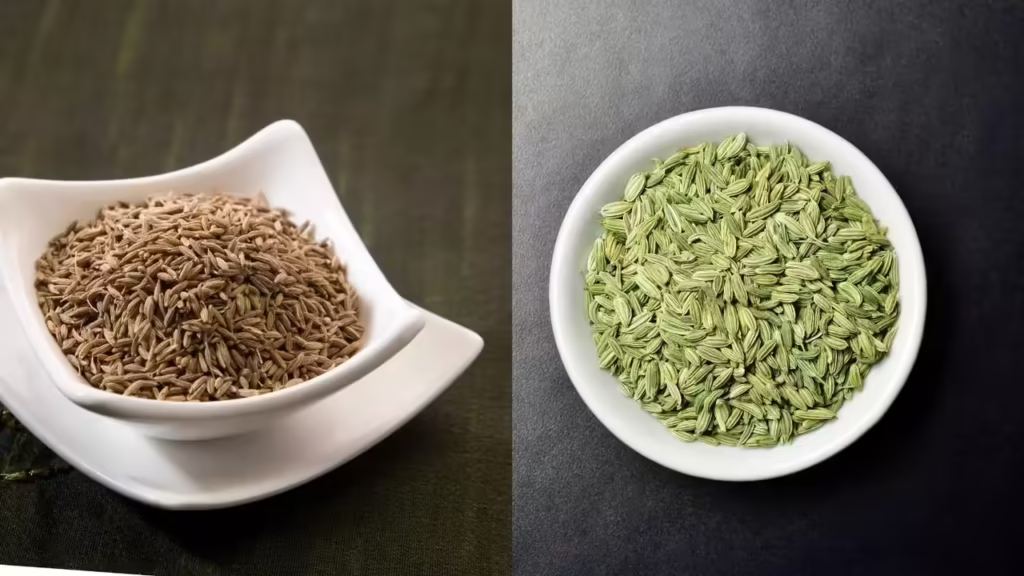
The price gap is huge — regular cumin averages $2,400–2,800/MT while Shah Jeera commands $5,000–7,000/MT. Mix them up and you’ll either overpay dramatically or deliver the wrong flavor profile to your customers.
At Sadbhaav Spices, we export both varieties to 50+ countries — regular for volume markets like China and Bangladesh, Shah Jeera for luxury buyers in UAE, UK, and USA diaspora communities. This guide shares everything we’ve learned shipping thousands of containers: botanical differences, flavor profiles, quality specs, testing requirements, market preferences, current pricing, and how to source safely in 2025.
Why Understanding Regular Cumin vs Shah Jeera Matters in 2025
The biggest mistake international buyers make is treating regular cumin and Shah Jeera as interchangeable. They’re not — and pretending they are costs money, reputation, and repeat orders.
Regular cumin has a bold, pungent, earthy bite with strong cuminaldehyde notes that dominate dishes — perfect for industrial blends where flavor needs to punch through. Shah Jeera delivers a subtle, sweet-smoky elegance with carvone and limonene creating fennel-like sweetness and citrus freshness — ideal for premium dishes where the spice enhances rather than overpowers.
In 2025, the market split is clearer than ever:
- Regular cumin drives 99% of export volume, fueled by food processing giants in China and Bangladesh who prioritize consistency and price.
- Shah Jeera captures premium niches — luxury hotels in Dubai, ethnic restaurants in London, gourmet brands in California — where buyers happily pay 2–2.5× more for authentic royal flavor.
Adulteration risks are rising too. Unscrupulous traders mix cheap regular cumin into Shah Jeera bags to boost margins. Without knowing the botanical, aroma, and oil composition differences, you can’t spot fakes — and one contaminated container can trigger EU RASFF alerts or FDA detentions costing $30,000–$50,000.
This guide gives you the knowledge to choose the right variety, verify authenticity, negotiate better prices, and build reliable Mustard seeds supplier relationships in 2025’s competitive market.
Regular Cumin (Cuminum cyminum) – The Volume King
Regular cumin is India’s export champion — accounting for 99% of the 212,500-ton volume shipped in 2024-25. It’s the everyday spice that defines global cuisines from Mexican chili to Middle Eastern baharat.
Botanical & Physical Profile Scientific name: Cuminum cyminum (Apiaceae family) Origin: Primarily Gujarat (Rajkot, Jamnagar, Patan districts — 70–75% production) and Rajasthan (Jodhpur, Barmer — 20–25%) Appearance: Light brown to yellowish-brown elongated seeds, 4–6 mm long with parallel ridges running lengthwise Texture: Sturdy and robust — withstands mechanical cleaning and long shipping without excessive breakage
Flavor & Aroma Characteristics The signature pungent, warm, slightly bitter taste comes from cuminaldehyde (25–35%), giving that instantly recognizable “cumin” punch. Secondary compounds like γ-terpinene and p-cymene add earthy, nutty depth with mild warmth — never fiery like chilli. When fried in oil (tadka), it releases an intense aroma that forms the base note of countless dishes worldwide.
Culinary Applications Regular cumin is the universal workhorse:
- Tempering whole seeds in hot oil for Indian curries and dals
- Essential in garam masala, curry powder, taco seasoning, ras el hanout
- Ground form used in marinades, dry rubs, bread baking, and processed foods
- Dominant flavor that stands out — not a background note
Quality Specifications for Export (2025 Standards) Volatile Oil Content (primary price driver):
- Premium grade: 3.5–4.5% (strong aroma, high buyer preference)
- Export standard: 2.5–3.5% (most common commercial grade)
- Below standard: <2.5% (rejected by premium buyers)
Moisture Content:
- Ideal range: 8–10% for safe storage
- Maximum acceptable: 12% (above this → mould and aflatoxin risk)
Foreign Matter:
- Premium: <0.5% (stems, stones, dust)
- Standard: 0.5–2%
- Test method: Manual separation + optical sorting
Broken/Damaged Seeds:
- Premium: <3%
- Standard: 3–8%
- Higher breakage reduces volatile oil retention and appearance
Ash & Acid-Insoluble Ash:
- Total ash max 9–10%
- Acid-insoluble ash max 1.5% (indicates soil contamination)
Microbiological Standards:
- Salmonella: Absent in 25g (zero tolerance FDA/EU)
- Total Plate Count: <100,000 CFU/g non-sterilized
- Yeast & Mold: <10,000 CFU/g
Pesticide Residues:
- Must comply with EU MRL (often 0.01 mg/kg) and EPA tolerances
- Common risks: Chlorpyrifos, profenofos — multi-residue screening essential
Processing & Value Addition Cleaning: Mechanical destoning, air aspiration, vibratory sieving Sorting: Optical color sorters remove discolored seeds Sterilization: Steam preferred (FDA/EU compliant, preserves flavor) vs ETO (EU concerns) Grinding: 30-mesh coarse to 100-mesh fine per buyer spec
2025 Export Pricing (FOB Mundra/Kandla)
- Premium bold (3.5–4.5% oil): $2,800–3,200/MT
- Export standard (2.5–3.5% oil): $2,200–2,600/MT
- Medium/small grade: $1,800–2,200/MT
- Organic certified: +$700–900/MT premium
Top Markets & Buyer Preferences China (35–40%): Volume-focused, price-sensitive, used in food processing and TCM Bangladesh (18–22%): Standard grade for masala manufacturing, high consistency needed USA (12–15%): Mix of standard and organic for spice blends and pharma extracts UAE (6–8%): Re-export hub, prefers steam-sterilized Europe (5–7%): Growing organic demand, strict compliance
Regular cumin remains the reliable, scalable choice for industrial buyers worldwide.
Shah Jeera (Bunium persicum / Caraway) – The Royal Premium
Shah Jeera is the aristocrat of Indian cumin — rare, delicate, and commanding 2–2.5× higher prices for its unique sweet-smoky profile.
Botanical & Physical Profile True Shah Jeera (Bunium persicum): Wild-grown in Kashmir and Himalayan regions — extremely limited supply, considered the authentic “royal cumin” Commercial Shah Jeera: Mostly Carum carvi (European caraway) cultivated in cooler Indian regions and marketed as Shah Jeera due to similar flavor
Appearance: Dark brown to blackish-brown, thinner crescent-shaped seeds 3–5 mm long with visible ridges — significantly darker and more fragile than regular cumin
Flavor & Aroma Characteristics The flavor is subtle and complex — earthy-sweet with prominent fennel and licorice notes from carvone (40–60%), plus citrus freshness from limonene. The aroma is smoky, delicate, and slightly floral — a refined “whisper” compared to regular cumin’s bold “shout”. No heat or bitterness — perfect for dishes requiring elegance.
Culinary Applications Shah Jeera shines in premium and royal preparations:
- Finishing spice for Mughlai biryanis, kormas, and pulaos — adds depth without overpowering rice or meat
- Traditional Kashmiri cuisine and festive dishes
- European baking (rye bread, seed cakes) and liqueurs (Kümmel, Aquavit)
- Sweet applications like kheer and rice puddings where regular cumin would be too harsh
Quality Specifications for Export (2025 Standards) Volatile Oil Content:
- Premium: 3.5–5.0% (high carvone for authentic flavor)
- Standard: 2.5–3.5%
- Test critical — defines premium pricing
Moisture Content:
- Ideal 7–9% (more sensitive to oxidation than regular)
- Maximum 10% — higher moisture accelerates quality loss
Foreign Matter:
- Premium: <0.5%
- Standard: 0.5–1.5%
- Gentle cleaning required to avoid breakage
Broken Seeds:
- Premium: <5% (higher tolerance due to natural fragility)
- Standard: 5–12%
Color Uniformity:
- Dark brown to black — light color indicates age or adulteration with regular cumin
Processing Challenges & Requirements
- Delicate seeds require gentle mechanical handling — manual sorting often needed for premium grades
- Lower yields (8–12% losses common) vs regular cumin
- Steam sterilization preferred to preserve subtle aroma
- Adulteration risk high — regular cumin mixing common; detection via volatile oil analysis
2025 Export Pricing (FOB Mundra/Kandla)
- Premium whole: $5,500–7,000/MT
- Export standard: $4,200–5,200/MT
- Medium grade: $3,500–4,200/MT
- Organic certified: +$1,000–1,500/MT premium
Top Markets & Buyer Preferences UAE & Middle East (40–45%): Luxury hotels, premium biryani restaurants — value dark color and elegant aroma UK & USA diaspora (30–35%): Ethnic restaurants, gourmet retail — seek authentic Kashmiri profile Domestic premium: High-end Indian chains and retail brands
Shah Jeera remains the luxury niche — small volume but exceptional margins.
Side-by-Side Comparison (2025 Data)
| Parameter | Regular Cumin (Cuminum cyminum) | Shah Jeera (Bunium persicum / Caraway) |
|---|---|---|
| Botanical Origin | Cultivated Gujarat/Rajasthan — high volume production | Wild Kashmir or cultivated caraway — limited supply |
| Appearance | Light brown, robust 4–6 mm seeds | Dark brown/black, delicate crescent 3–5 mm |
| Aroma Profile | Pungent, earthy, strong cuminaldehyde | Smoky, sweet, fennel-licorice with carvone |
| Taste | Warm, nutty, slightly bitter — dominant flavor | Earthy-sweet, subtle floral — elegant enhancement |
| Volatile Oil | 2.5–4.5% (cuminaldehyde dominant) | 2.0–5.0% (carvone dominant) |
| Culinary Role | Universal everyday spice — curry, blends, seasoning | Premium finishing spice — biryani, royal dishes, desserts |
| Export Volume 2024-25 | 210,000+ tons | 2,000–3,000 tons (estimate) |
| Price Range (FOB) | $2,200–3,200/MT | $4,200–7,000/MT |
| Top Markets | China, Bangladesh, USA (volume-focused) | UAE, UK, USA diaspora (premium/gourmet) |
| Processing Difficulty | Robust — withstands mechanical handling | Delicate — requires gentle processing |
| Substitutability | Can replace Shah Jeera (flavor changes dramatically) | Cannot replace regular cumin |
Key takeaway for 2025 buyers: These varieties serve completely different needs — regular for cost-effective volume, Shah Jeera for premium differentiation. Choosing wrong destroys dish authenticity and wastes money.
Top Export Markets & Buyer Preferences 2025
China (35–40% of total exports) The dragon’s appetite for Indian cumin remains insatiable, absorbing 75,000–85,000 tons annually for food processing and traditional Chinese medicine. Chinese buyers prioritize competitive pricing and consistent volatile oil (2.5–3.5%) over organic certification. They accept standard export grade with steam sterilization and comprehensive CoA documentation. In 2025, direct contracts with large processors bypassed traders, creating stable demand despite global volatility.
Bangladesh (18–22%) Bangladesh’s booming masala industry drives 38,000–47,000 tons of imports, used in curry powder manufacturing and retail packets. Buyers are highly price-sensitive but demand reliable supply to avoid production disruptions. Standard export grade (3–8% broken) with BSTI compliance is preferred. Growth comes from expanding middle-class consumption and re-export potential.
USA (12–15%) The USA splits demand: 70% regular cumin for spice blends and ethnic food, 30% organic/Shah Jeera for health supplements. FDA compliance is non-negotiable — steam sterilization, aflatoxin <20 ppb, full pesticide screening. Organic certified cumin grew 20% YoY in health food channels like Whole Foods and Amazon.
UAE (6–8%) As Middle East re-export hub, UAE imports premium mix: regular for volume, Shah Jeera for luxury hotels and gourmet retail. Halal certification mandatory, dark color and elegant aroma prized for royal cuisine.
Europe (UK, Germany, Netherlands — combined 5–7%) Europe leans heavily organic (50%+ imports) with strict EU MRL pesticide limits and EFSA compliance. Shah Jeera popular in ethnic restaurants and gourmet stores.
Vietnam, Malaysia, Thailand (8–10%) Growing processed food industries prefer regular cumin for manufacturing consistency.
Sri Lanka (8–10%) Regular cumin dominates for curry powder and retail packets.
Saudi Arabia, Australia (5–8%) Mixed demand with growing Shah Jeera interest in premium segments.
Quality Testing & Certification Checklist (Avoid Rejections)
Protect your investment with these mandatory tests and documents.
Volatile Oil Content
- Method: Hydro-distillation (ISO 6571)
- Premium regular: ≥3.5% | Premium Shah Jeera: ≥3.5% carvone
- Cost: $80–150 per test — primary price and quality driver
Moisture Content
- Ideal: 8–10% regular, 7–9% Shah Jeera
- Test: Oven drying or Karl Fischer
- Above limits → mould and aflatoxin risk
Foreign Matter & Broken Seeds
- Premium: <0.5% FM, <3% broken regular, <5% Shah Jeera
- Test: Manual + optical sorting verification
Microbiological Testing
- Salmonella absent in 25g
- TPC <100,000 CFU/g non-sterilized
- Yeast/Mold <10,000 CFU/g
Aflatoxin Testing
- FDA <20 ppb total
- EU <10 ppb — stricter enforcement in 2025
Pesticide Multi-Residue Screening
- 290–500 compounds tested
- EU MRL compliance critical (0.01 mg/kg for many)
Heavy Metals
- Lead, cadmium, arsenic, mercury per EC 2023/915
Certificate of Analysis Must Include
- Batch number, origin, harvest date
- All test results above
- Lab accreditation (NABL/ISO 17025)
Organic Certification (if claimed)
- USDA NOP + EU Organic + NPOP
- Transaction Certificate for specific shipment
Pricing Trends & Forecast 2025–2030
Current FOB Pricing (December 2025 – Mundra/Kandla)
Regular Cumin
- Premium bold (3.5–4.5% oil): $2,800–3,200/MT
- Export standard (2.5–3.5% oil): $2,200–2,600/MT
- Organic certified: +$700–900/MT
Shah Jeera
- Premium whole: $5,500–7,000/MT
- Export standard: $4,200–5,200/MT
- Organic certified: +$1,000–1,500/MT
Key Pricing Factors in 2025
- Bumper crop + carryover stocks → downward pressure on regular cumin prices
- Limited Shah Jeera supply → stable high pricing despite volume growth
- Organic demand +25% YoY → widening premium gap
- Freight costs down 10% after Red Sea stabilization
Forecast to 2030
- Regular cumin average: $2,500–3,500/MT
- Shah Jeera average: $6,000–9,000/MT
- Organic share rising to 40% of total exports
- Value-added (powder, oil) growing fastest segment
How to Source Safely from India (Exporter Tips from Sadbhaav)
- Work only with exporters who own processing plants — avoid mandi traders without traceability
- Demand farm GPS coordinates, harvest photos, and farmer list
- Always get fresh Transaction Certificate (TC) before final payment
- Specify steam sterilization only for EU/USA markets
- Use safe payment terms: 30% advance, balance against BL & TC for first orders
- Request retained samples (good exporters keep 18–24 months)
- Partner with suppliers offering blockchain QR codes for end-to-end transparency
At Sadbhaav Spices we follow all these as standard — plus cryogenic cleaning for zero dust and nitrogen-flushed packing for maximum shelf life.
Conclusion + Your Next Step
India’s cumin export journey in 2025 shows two clear paths: regular cumin’s reliable volume for everyday global cooking, and Shah Jeera’s premium elegance for gourmet distinction.
Whether you need 100 containers of cost-effective regular cumin for industrial blending or 10 containers of authentic royal Shah Jeera for luxury retail — choosing the right variety and supplier makes all the difference.
At Sadbhaav Spices we export both with complete testing, FDA/EU compliance, and traceability that keeps buyers returning year after year.
Ready to source your 2025 cumin order? Email export@sadbhaavspices.com or WhatsApp +91-98790-84405 with “2025 Cumin Guide” — we’ll send current pricing, samples, and TC template within 24 hours.
Your perfect cumin container is waiting.