
India has earned its title as the “Land of Spices” through millennia of cultivation, trade, and culinary innovation. From the verdant hills of Kerala where pepper vines climb ancient trees, to the sun-scorched fields of Rajasthan where cumin seeds absorb the desert’s warmth, India’s diverse landscapes produce the world’s most coveted spices. But which spices actually leave our shores, and where do they go? Let’s explore the vibrant world of India’s spice exports.
India’s Global Spice Dominance: The Numbers Tell the Story
India’s spice exports reached an unprecedented high in FY 2024-25, with shipments totaling 17.99 lakh tons valued at $4.72 billion — a remarkable achievement that underscores the country’s unshakeable position in global spice trade. This represents a 6% increase from the previous year and continues a growth trajectory that shows no signs of slowing.
India produces approximately 75 of the 109 spice varieties recognized by the International Organization for Standardization, giving us an unmatched diversity that no other nation can replicate. With annual production reaching 12 million metric tons, India commands roughly 40% of global spice production while simultaneously consuming a significant portion domestically.
At Sadbhaav Spices, we’re proud to be part of this legacy. Since 2012, we’ve been sourcing directly from over 5,000 farmers across Gujarat and beyond, exporting 10,000+ tons of premium spices annually to more than 80 countries with a purity guarantee of 99.95%.
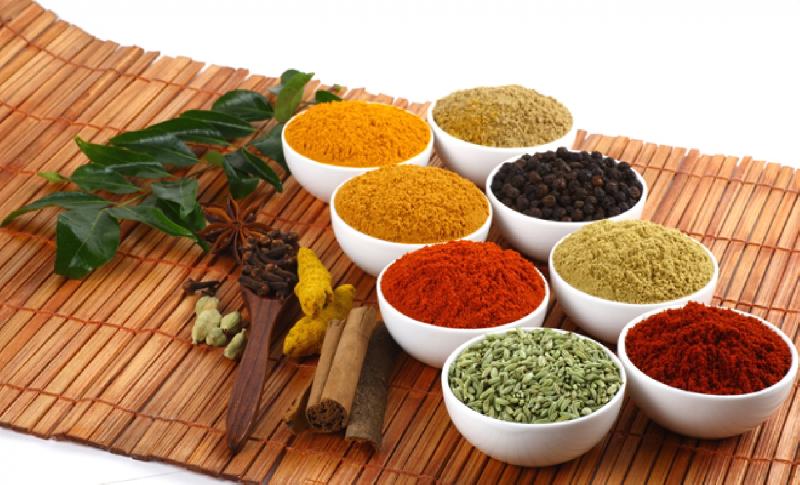
The Top 10 Spices Exported from India
1. Red Chilli (Mirch) – The Fiery Favorite
Chilli is India’s largest exported spice, accounting for approximately 31% of total spice export value. In FY 2024-25, India exported around 550,000 metric tons of chilli valued at $1.2 billion.
Why it dominates:
- Varieties like Byadgi, Guntur, and Kashmiri chillis each offer distinct heat levels and flavor profiles
- Capsaicin content makes it valuable for food processing, pharmaceuticals, and cosmetics
- Used extensively in global cuisines from Mexican salsas to Asian hot sauces
Major destinations: USA (40% of chilli exports), China (30%), Vietnam, Sri Lanka, and Bangladesh
Sadbhaav’s edge: Our GI-tagged Byadgi chillis command premium prices in international markets due to their superior color retention and controlled heat levels.
2. Cumin (Jeera) – The Aromatic Essential
Following chilli, cumin ranks as the second-largest spice export from India at 15%. The warm, earthy flavor of Indian cumin is irreplaceable in cuisines worldwide.
Export volume: Approximately 180,000-210,000 metric tons annually Key varieties: Unjha cumin from Gujarat is world-renowned for its superior oil content Primary markets: Middle East, USA, Bangladesh, and European Union
Cumin’s popularity has surged due to growing interest in wellness teas and functional foods. The spice’s digestive properties and distinctive flavor make it indispensable in spice blends from curry powder to taco seasoning.
3. Turmeric (Haldi) – The Golden Wonder
Turmeric exports reached approximately 987 million USD, making it one of India’s most valuable spice exports. With curcumin content ranging from 5-6%, Indian turmeric is prized for both culinary and medicinal applications.
Production hubs: Erode (Tamil Nadu), Sangli (Maharashtra), and Nizamabad (Telangana) Export volume: 180,000-210,000 metric tons Top buyers: USA (supplements industry), UAE (culinary), Europe (natural colorants and cosmetics)
The global wellness movement has driven a 25% increase in turmeric consumption post-COVID, with golden lattes and immunity supplements becoming mainstream.
4. Black Pepper (Kali Mirch) – The King of Spices
Known as the “King of Spices,” Indian black pepper commands respect in global markets despite competition from Vietnam.
Export value: Approximately $1.18 billion Major growing regions: Kerala, Karnataka, and Tamil Nadu Key markets: USA, Germany, UAE, Vietnam
Piperine, the active compound in black pepper, is valued in both culinary and pharmaceutical applications, from fine dining to bioavailability enhancers in supplements.
5. Cardamom (Elaichi) – The Queen of Spices
India exports both small and large cardamom varieties, with Kerala and Karnataka leading production. This aromatic spice’s sweet, floral notes make it indispensable.
Applications: Beverages, confectionery, perfumery, traditional medicine Export destinations: Middle East, Europe, North America, Scandinavia Price point: Premium varieties fetch $1.50/kg FOB, among the highest for spices
Cardamom’s versatility — from chai to Swedish pastries to Arabic coffee — ensures consistent global demand.
6. Coriander (Dhania) – The Versatile Seed
Coriander is exported in multiple forms: seeds, powder, and fresh leaves (cilantro), making it one of India’s most versatile exports.
Export volume: 25,000-30,000 metric tons Top importers: UAE, USA, Bangladesh, Malaysia, Italy, Spain Growing states: Rajasthan, Gujarat, Madhya Pradesh
The seeds are essential in European pickling, Middle Eastern spice blends, and Asian curries.
7. Ginger (Adrak) – The Healing Root
Fresh, dried, and processed ginger forms constitute a significant export category.
Export volume: 50,000-140,000 metric tons Key markets: USA, Netherlands, Germany, UAE Varieties: Cochin ginger is particularly prized for its oil content
Ginger’s role in functional beverages, dietary supplements, and traditional medicine continues to expand its market reach.
8. Fenugreek (Methi) – The Bitter-Sweet Treasure
Though smaller in volume, fenugreek exports are growing due to the spice’s medicinal properties.
Applications: Diabetes management, lactation support, hair care products Export destinations: USA, UAE, Canada, Australia Forms: Seeds, leaves, powder, extracts
9. Fennel (Saunf) – The Digestive Aid
Fennel’s sweet, licorice-like flavor makes it popular in both culinary and medicinal applications.
Major producers: Gujarat, Rajasthan Key markets: Middle East, Europe, North America Uses: Spice blends, digestive preparations, bakery products
10. Mustard Seeds (Sarson) – The Pungent Powerhouse
Australia is the leading importer of Indian mustard seed, importing 134,000 metric tonnes in 2023, followed by USA, UAE, and Canada.
Varieties: Yellow, brown, and black mustard Applications: Oil production, condiments, pickling, spice blends Growing regions: Rajasthan, Madhya Pradesh, Uttar Pradesh
Where Do Indian Spices Go? Top Export Destinations
India exports spices to 200 destinations worldwide, with the top 10 countries comprising over 60% of total export value.
Leading Importers of Indian Spices:
- United States – $594.82 million (FY25)
- Primary imports: Chilli, turmeric, cumin, coriander, ginger
- Uses: Food processing, supplements, ethnic cuisine markets
- China – $610.05 million (FY25)
- Primary imports: Chilli, cumin, mint products
- Re-exports processed forms to other Asian markets
- United Arab Emirates – $320.36 million (FY25)
- Trading hub that re-exports to Middle East and Africa
- High demand for whole spices and blends
- Bangladesh – $305.60 million (FY25)
- Cultural and culinary similarities drive demand
- Imports all major Indian spice varieties
- Other Major Markets:
- Thailand, Malaysia, UK, Saudi Arabia, Indonesia, Germany, Vietnam, Netherlands, Japan
Regional Preferences:
North America: Ground spices, organic varieties, turmeric supplements Middle East: Whole spices, especially cumin, cardamom, black pepper Europe: Organic certified spices, value-added products, curry blends Asia-Pacific: Bulk spices for re-processing and domestic consumption
Value-Added Spice Exports: Beyond Raw Materials
Currently, only 48% of India’s spice exports are processed products, but this segment is growing rapidly. Value-added categories include:
- Spice oils and oleoresins – Concentrated extracts for food and pharma industries
- Curry powder and masala blends – Ready-to-use mixtures
- Mint products – Essential oils, menthol crystals
- Organic certified spices – Premium segment growing at 10% annually
- Steam-sterilized spices – Meeting stringent food safety standards
At Sadbhaav, we’ve invested in solar drying technology and steam sterilization facilities to ensure our exports meet the most stringent international standards while reducing emissions by 15%.
Why India Leads Global Spice Exports
1. Agro-Climatic Diversity
India’s 15 agro-climatic zones support cultivation of an unmatched variety of spices. From tropical Kerala to temperate Kashmir, each region contributes unique varieties.
2. Traditional Knowledge
Centuries of cultivation expertise and crop management practices passed down through generations ensure consistent quality.
3. Government Support
The Spices Board of India provides infrastructure, quality certification, market access, and financial support through initiatives like:
- Eight crop-specific Spices Parks
- RoDTEP scheme for export incentives
- Quality testing laboratories
- International trade fair participation
4. Competitive Pricing
Despite premium quality, Indian spices remain competitively priced. Farm-to-export value chains, like those maintained by Sadbhaav, ensure fair pricing for farmers while maintaining export competitiveness.
5. Quality Certifications
Indian exporters comply with international standards:
- FSSAI (Food Safety and Standards Authority of India)
- APEDA (Agricultural and Processed Food Products Export Development Authority)
- ISO 22000, HACCP
- Organic certifications (NPOP, EU Organic, USDA Organic)
Challenges and Opportunities in India’s Spice Export Industry
Challenges:
Quality concerns: Instances of ethylene oxide contamination in 2024 led to temporary bans, costing the industry approximately $200 million. However, this spurred rapid adoption of steam sterilization technology.
Competition: Vietnam (black pepper), China (garlic, ginger), Indonesia, and Brazil are expanding their spice exports.
Price volatility: Climate impacts on production create price fluctuations that affect export planning.
Low value addition: Despite leading in raw spice exports, India holds only 0.7% of the global seasoning market, far behind China (12%) and the US (11%).
Opportunities:
Organic growth: Global demand for organic spices is increasing by 10% annually. Indian farmers are increasingly adopting organic practices.
Wellness trends: Spices’ health benefits (anti-inflammatory, antioxidant, immunity-boosting) align with global wellness trends.
GI tagging: Geographical Indication protection for varieties like Byadgi chilli, Alleppey turmeric, and Malabar pepper creates premium positioning.
Technology adoption: Blockchain traceability, solar processing, and advanced packaging improve quality and sustainability.
Government targets: India aims to achieve spice exports of $10 billion by 2030 and $25 billion by 2047.
The Future of Indian Spice Exports
The trajectory is clear: India’s spice export industry is poised for exponential growth. Key drivers include:
- Global population growth increasing food demand
- Rising middle class in developing nations seeking quality spices
- Health consciousness driving functional food adoption
- Ethnic cuisine popularity creating new markets
- E-commerce expansion enabling direct-to-consumer exports
- Sustainability focus favoring Indian producers adopting green technologies
At Sadbhaav Spices, we’re not just riding this wave — we’re helping create it. Our direct farmer partnerships ensure traceability from soil to shipment. Our solar-drying facilities and advanced processing maintain the authentic flavors our customers expect while meeting the stringent safety standards international markets demand.
How to Source Premium Indian Spices for Export
Whether you’re an importer, distributor, or food manufacturer, partnering with the right Indian spice exporter is crucial. Consider these factors:
Quality certifications: FSSAI, APEDA, ISO 22000, organic certifications Traceability: Farm-to-export documentation and blockchain tracking Processing capabilities: Steam sterilization, cold grinding, custom blending Consistency: Ability to maintain quality across seasons Compliance: Understanding of destination country regulations Sustainability: Ethical sourcing and environmental practices
Sadbhaav Spices checks all these boxes. With 99.95% purity guaranteed, compliance with APEDA and FSSAI standards, and a network spanning 5,000+ farmers, we ensure every shipment meets your specifications.
Conclusion: India’s Spice Story Continues
From ancient Silk Road caravans to modern container ships, Indian spices have traveled the world for thousands of years. Today, with exports exceeding $4.72 billion and volumes of 17.99 lakh tons, India’s spice industry is more robust than ever.
The spices exported from India — from fiery red chillies to golden turmeric, from aromatic cumin to regal cardamom — don’t just add flavor to global cuisines. They carry with them centuries of agricultural wisdom, the dedication of millions of farmers, and the promise of health and wellness.
As consumer preferences shift toward natural, authentic, and sustainable products, Indian spices are perfectly positioned to meet global demand. The question isn’t whether India will maintain its spice supremacy — it’s how high we’ll raise the bar.
At Sadbhaav Spices, we’re committed to raising it higher every day. From our farms in Gujarat to your facility anywhere in the world, we ensure every grain carries the authentic taste and guaranteed quality that India’s spice heritage promises.
Ready to source premium Indian spices for your business? Contact Sadbhaav Spices today to discuss your requirements. Whether you need bulk raw spices, organic certified varieties, or custom blends, our expert team is here to help you bring the authentic flavors of India to your customers.
Visit us at: https://sadbhaavspices.com