
Mumbai isn’t just India’s financial capital—it’s the beating heart of Maharashtra’s spice trade, commanding a strategic position that has made it the go-to sourcing destination for international buyers, restaurant chains, and spice exporters for over two centuries. With Nhava Sheva port (JNPT) handling over 70% of India’s spice exports and wholesale markets processing thousands of tons monthly, Mumbai’s spice ecosystem offers unparalleled access to quality, variety, and competitive pricing.
As someone deeply embedded in Mumbai’s spice industry through Sadbhaav Spices, I’ve navigated these bustling markets countless times, building relationships with traders, comparing prices across centers, and understanding what makes each hub unique. Whether you’re an international buyer researching bulk spice suppliers, a restaurant owner seeking wholesale rates, or an entrepreneur starting a spice business, this comprehensive guide reveals Mumbai’s top 10 wholesale trading centers with detailed price comparisons and insider insights.
Why Mumbai Dominates Maharashtra’s Spice Trade
Before diving into specific markets, let’s understand Mumbai’s competitive advantages that make it India’s second-largest spice trading hub after Delhi’s Khari Baoli.
Port Proximity: Mumbai’s ports—JNPT (Nhava Sheva), Mumbai Port Trust, and BPT—provide direct access to international shipping routes, reducing logistics costs by 20-30% compared to inland markets. This strategic location attracts both spice importers bringing in Southeast Asian products and exporters shipping Indian spices to USA, UAE, Europe, and Asia.
Trade Legacy: Mumbai’s spice trade dates back to Portuguese and British colonial periods when the city served as India’s primary gateway for pepper, cinnamon, and cardamom from Kerala and Goa. This centuries-old infrastructure creates trust networks and expertise that new markets can’t replicate.
Diverse Sourcing: Unlike single-state markets, Mumbai aggregates spices from across India—turmeric and red chilli from Maharashtra/Telangana, cumin from Gujarat/Rajasthan, pepper and cardamom from Kerala, coriander from Madhya Pradesh, and sesame from Gujarat. This diversity makes Mumbai a one-stop wholesale destination.
Financial Infrastructure: As India’s banking capital, Mumbai offers superior payment systems, export financing, letters of credit, and trade insurance that facilitate large international transactions.
Quality Standards: Mumbai’s Coriander seeds wholesale markets maintain rigorous quality benchmarks driven by export requirements and sophisticated local demand from five-star hotels, Michelin-quality restaurants, and premium retail chains.
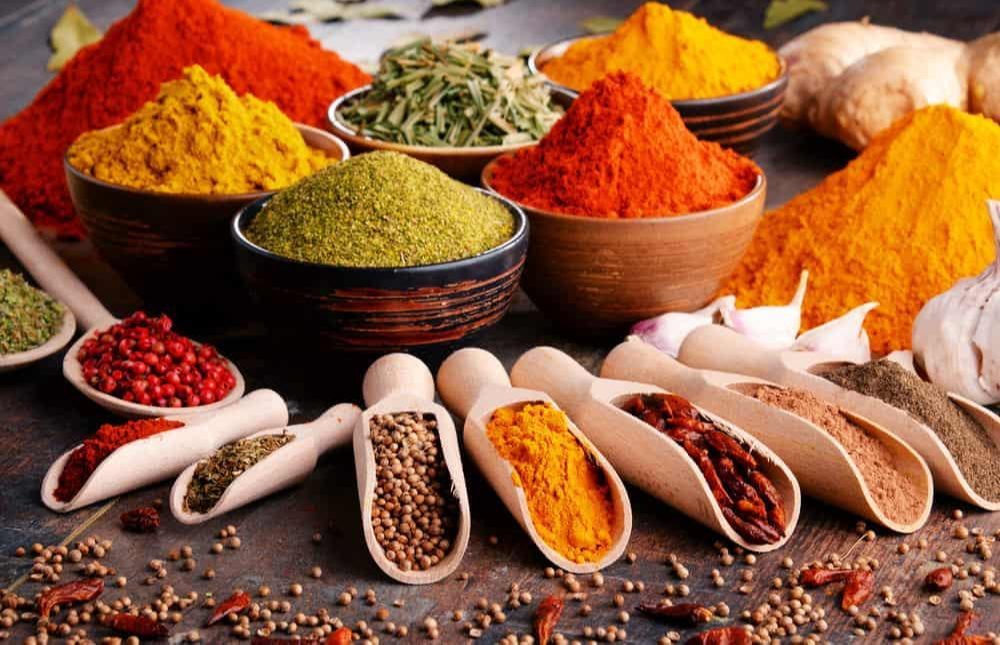
Top 10 Wholesale Spice Trading Centers in Mumbai
1. Masjid Bunder (Vadgadi) – Mumbai’s Premier Spice Hub
Location: Dockyard Road, South Mumbai (Near Mumbai Port)
Established: Late 1800s
Specialty: Bulk wholesale, export-grade spices
Trading Hours: 6:00 AM – 8:00 PM (Peak: 8 AM – 2 PM)
Masjid Bunder stands as Mumbai’s undisputed spice king—the largest concentration of spice wholesalers, traders, and processors in the entire city. This historic market buzzes with hundreds of traders dealing in multi-ton quantities, making it the preferred sourcing point for Indian spice exporters, international buyers, and large food processors.
What Makes It Special:
Export Quality Focus: Proximity to Mumbai Port means traders here specialize in export-grade spices meeting international standards—APEDA certified, pesticide residue tested, and sorted to precise specifications.
Organic Options: Masjid Bunder boasts Mumbai’s largest concentration of organic spice suppliers, offering certified organic turmeric, cumin, coriander, and specialty products.
Volume Advantage: Minimum order quantities start from 50kg but the real savings kick in at 500kg+ orders where traders offer 15-25% discounts over retail.
Grinding Services: On-site spice grinding mills allow buyers to purchase whole spices and get them custom-ground to desired mesh sizes immediately.
Price Range (Per Kg):
- Turmeric (Sangli): ₹180-250
- Red Chilli (Teja): ₹280-450
- Cumin Seeds: ₹350-550
- Coriander Seeds: ₹120-180
- Black Pepper: ₹540-650
- Cardamom (Small): ₹1,300-1,600
Pro Tip: Visit early morning (7-9 AM) when fresh stock arrives and traders are more flexible on pricing. Bring samples of your quality expectations to avoid miscommunication.
2. Lalbaug Spice Market – Mumbai’s Largest Roasting & Grinding Hub
Location: Lalbaug, Central Mumbai
Established: 1950s
Specialty: Fresh-roasted spices, custom masala blends
Trading Hours: 10:15 AM – 9:00 PM
Lalbaug isn’t just a market—it’s an aromatic experience where spices are roasted, ground, and blended on-site, ensuring maximum freshness that pre-packaged products can’t match. This market has earned legendary status among Mumbai’s culinary community, with even Bollywood celebrities and renowned chefs reportedly sourcing their spices here.
What Makes It Special:
On-Site Processing: Unlike import-focused markets, Lalbaug specializes in value-added processing—roasting whole spices to enhance flavor, creating custom garam masala blends, and producing Maharashtrian specialty mixes like Malvani masala and Kolhapuri masala.
Copra & Coconut Products: Being Mumbai’s hub for desiccated copra (dried coconut), Lalbaug excels in coconut-based spice mixes essential for coastal Maharashtrian and Goan cuisine.
Spice Authenticity: Traders here take pride in purity—no artificial colors, adulterants, or synthetic flavoring agents. The reputation-conscious community ensures quality control.
Competitive Blending: If you need custom masala blends for restaurant chains or private label products, Lalbaug’s traders offer formulation services based on your specifications.
Price Range (Per Kg):
- Kashmir Chilli (whole): ₹320-450
- Garam Masala (Premium): ₹800-1,000
- Malvani Masala: ₹700-900
- Turmeric Powder (Fresh-ground): ₹200-280
- Coriander-Cumin Mix: ₹180-250
- Pepper (Whole): ₹550-650
Pro Tip: Buy Kashmir chillies here—traders source directly from Kashmir and offer 40-50% savings vs retail. Get spices fresh-ground while you wait for ultimate flavor potency.
3. Crawford Market (Mahatma Jyotiba Phule Market) – Heritage Wholesale Center
Location: Lokmanya Tilak Marg, Fort, South Mumbai
Established: 1869 (Colonial Architecture)
Specialty: Mixed wholesale (fruits, vegetables, spices)
Trading Hours: 6:00 AM – 8:00 PM
Crawford Market’s Victorian Gothic architecture houses one of Mumbai’s most diverse trading environments, where spice stalls compete with fruit vendors, poultry sellers, and exotic pet traders. While not exclusively a spice market, Crawford’s northern section contains dozens of spice wholesalers offering competitive rates.
What Makes It Special:
Tourist-Friendly: Unlike purely wholesale markets, Crawford welcomes retail buyers and small-quantity purchases, making it ideal for chefs, homemakers, and small restaurant owners.
Quality Spectrum: You’ll find everything from budget-grade spices to premium selections. Experienced buyers can negotiate 30-40% discounts for bulk orders.
Specialty Imports: Several Crawford traders specialize in imported spices—Moroccan saffron, Indonesian nutmeg, Sri Lankan cinnamon—alongside Indian varieties.
Dry Fruits + Spices: Many stalls combine dry fruits and spices, convenient for restaurant buyers sourcing multiple ingredients.
Price Range (Per Kg):
- Average wholesale cost: ₹150-500 depending on spice type
- Turmeric: ₹200-300
- Cumin: ₹400-600
- Coriander: ₹140-200
- Cardamom: ₹1,400-1,800
- Cloves: ₹1,300-1,600
Pro Tip: Crawford’s charm comes with tourist markup. Always compare prices with at least 3 stalls before buying. Negotiate firmly but respectfully—traders expect it.
4. Dadar Market – Central Mumbai’s Hidden Wholesale Gem
Location: Dadar West, Central Mumbai
Established: 1960s
Specialty: Maharashtrian spices, local masalas
Trading Hours: 7:00 AM – 9:00 PM
Dadar Market serves as Central Mumbai’s wholesale backbone, catering primarily to local restaurants, caterers, and neighborhood grocery stores. While less famous than Masjid Bunder or Lalbaug, Dadar offers competitive pricing with lower tourist traffic, making negotiations easier.
What Makes It Special:
Local Maharashtrian Focus: Excellent source for Goda masala (Maharashtrian sweet spice blend), Kala masala, and regional specialties not commonly found in export-focused markets.
Mid-Volume Sweet Spot: Ideal for buyers needing 25-100kg quantities—too small for Masjid Bunder’s big traders but too large for retail.
Flexible Traders: Dadar’s smaller-scale operations allow more personalized service, custom packaging, and willingness to work with emerging businesses.
Price Range (Per Kg):
- Turmeric: ₹190-270
- Red Chilli Powder: ₹250-380
- Coriander Powder: ₹130-190
- Goda Masala: ₹600-800
Pro Tip: Dadar excels for Maharashtrian regional spices often overpriced or unavailable in international-focused markets. Great for authentic local masala sourcing.
5. Kurla APMC Market – Wholesale Hub for Food Processors
Location: Kurla West, Eastern Suburbs
Established: 1996
Specialty: Bulk agricultural produce including spices
Trading Hours: 5:00 AM – 7:00 PM
Kurla’s Agricultural Produce Market Committee (APMC) serves as Mumbai’s largest wholesale food market, handling fruits, vegetables, grains, and increasingly, bulk spices. While not traditionally a spice-specific market, Kurla attracts food processing companies, institutional buyers, and large-scale caterers seeking multi-commodity sourcing.
What Makes It Special:
One-Stop Procurement: Buy spices alongside vegetables, grains, and pulses—efficient for restaurant chains and food manufacturers sourcing multiple ingredients.
Institutional Pricing: Volume discounts exceed traditional spice markets since APMC operates on agricultural commodity margins rather than specialty retail markups.
Quality Certification: APMC-regulated quality checks provide assurance for buyers concerned about adulteration.
Price Range: Generally 10-15% below Crawford Market for equivalent quality due to lower overhead costs.
6. Vile Parle Spice Wholesalers – Suburban Export Hub
Location: Vile Parle East, Western Suburbs
Specialty: Export-grade spices, APEDA certified
Key Players: Surendraray & Co. (A-209, Gokul Arcade)
Vile Parle’s wholesale cluster serves Mumbai’s suburban export companies and large retailers, offering export-quality spices with complete documentation—essential for international shipments. Proximity to the international airport makes it convenient for air freight samples and urgent small-quantity exports.
What Makes It Special:
Export Documentation: Traders here routinely provide APEDA certificates, phytosanitary certificates, and Certificate of Analysis—paperwork that South Mumbai markets may lack.
Modern Operations: Unlike traditional bazaars, Vile Parle wholesalers operate from proper commercial spaces with better storage, climate control, and hygiene standards.
Direct Importer Contact: Several Vile Parle traders double as exporters, making them ideal partners for international buyers establishing long-term supplier relationships.
Price Range: Comparable to Masjid Bunder but with premium for certifications and documentation (5-10% higher).
7. Chembur Spice Wholesalers – Eastern Suburbs Trading Point
Location: Chembur Colony, Eastern Suburbs
Key Players: Multiple wholesalers along C.G Road
Specialty: Regional distribution hub
Chembur serves as the wholesale distribution point for Mumbai’s eastern suburbs, Navi Mumbai, and Thane, reducing the need for suburban buyers to travel to congested South Mumbai markets. While smaller than Masjid Bunder, Chembur offers convenience and competitive pricing for mid-volume buyers.
What Makes It Special:
Suburban Convenience: Easier access, better parking, and less chaotic environment compared to Lalbaug or Crawford Market.
Growing Market: Navi Mumbai’s expansion drives increasing trade volume through Chembur, attracting quality traders.
Price Range: 5-10% below South Mumbai markets to compete on convenience rather than just price.
8. Matunga Spice Traders – South Indian Specialty Hub
Location: Matunga CR (Central Railway area), Central Mumbai
Specialty: South Indian spices, curry leaves, coconut products
Character: Predominantly South Indian trader community
Matunga’s Tamil and Telugu trading community brings deep expertise in South Indian spices—curry leaves, mustard seeds, asafoetida (hing), tamarind, and unique curry powder blends unavailable in North India-focused markets.
What Makes It Special:
South Indian Expertise: Understanding of South Indian cuisine requirements—from sambar powder specifications to rasam masala proportions.
Fresh Curry Leaves: Daily supply of fresh curry leaves from Tamil Nadu and Karnataka—a rarity in most spice markets.
Coconut Products: Superior selection of desiccated coconut, coconut powder, and fresh coconut deliveries.
Price Range: Competitive with Dadar for most spices; premium for specialty South Indian items.
9. Kachpada MIDC Spice Processing Zone
Location: Ramchandra Lane Extension, Kachpada, Malad
Specialty: Industrial spice processing, grinding, packaging
Character: Manufacturing rather than trading focus
Kachpada’s industrial area houses spice processing units serving private label brands, institutional buyers, and export companies needing custom grinding, sterilization, and packaging. This isn’t a traditional market but rather a B2B hub for processed spice products.
What Makes It Special:
Custom Processing: Steam sterilization, ETO treatment, grinding to precise mesh sizes, and custom packaging under buyer’s brand.
Quality Systems: ISO-certified units with HACCP compliance suitable for export and institutional requirements.
Bulk Powder Specialists: Ideal for buyers needing 1-ton+ quantities of uniform spice powders.
Pricing: Processing fees add 10-20% to raw spice costs but eliminate buyer’s need for in-house processing infrastructure.
10. Churchgate Spice Importers – Premium & Exotic Spices
Location: Churchgate, South Mumbai
Specialty: Imported spices, saffron, exotic herbs
Character: High-end, specialty focus
Churchgate’s spice traders cater to Mumbai’s luxury hotels, fine-dining restaurants, and gourmet retailers, offering imported saffron, premium vanilla, exotic peppercorns, and rare spices not found in commodity markets.
What Makes It Special:
Premium Quality: Spain’s La Mancha saffron, Madagascar vanilla, Kampot pepper—products commanding 5-10x price premiums.
Small-Lot Flexibility: Unlike bulk wholesalers, Churchgate traders accommodate 1-5kg purchases of expensive spices.
Expert Knowledge: Traders provide guidance on spice applications, pairing suggestions, and usage rates for high-value ingredients.
Price Range: 2-3x commodity market prices, but accessing products unavailable elsewhere justifies premium.
Mumbai vs Pan-India Spice Price Comparison
To contextualize Mumbai’s pricing, here’s how key spices compare across major Indian markets as of November 2025:
Key Insights:
Mumbai occupies the middle ground—not the cheapest (Kerala/direct sourcing states) nor most expensive (Delhi for logistics-heavy items).
Kerala beats Mumbai on pepper and cardamom by 10-15% due to being the production state.
Mumbai wins on variety and quality options—you can find budget, mid-range, and premium grades, whereas smaller markets have limited selection.
Export buyers choose Mumbai despite marginally higher prices because of port proximity, documentation services, and quality assurance.
Price Negotiation Strategies for Wholesale Buyers
After years of sourcing from Mumbai’s spice markets, here are insider tactics that save 20-40% on wholesale purchases:
Buy in Volume: Most markets offer tiered pricing:
- 50-100kg: 10% below retail
- 100-500kg: 15-20% below retail
- 500kg-1 ton: 25-30% below retail
- 1 ton+: 30-40% below retail
Visit During Off-Peak Hours: Early morning (7-9 AM) or late afternoon (5-7 PM) when traders are less busy and more willing to negotiate.
Compare Across 3+ Traders: Never buy from the first stall. Get quotes from at least three traders to establish market price range.
Request Samples: Quality varies dramatically. Always inspect samples before bulk orders, checking for moisture, color, aroma, and foreign matter.
Build Long-Term Relationships: Once you find reliable traders, maintain consistent business. Loyalty earns better pricing, credit terms, and priority during supply shortages.
Pay Cash for Discounts: Cash transactions often get 5-8% additional discounts vs credit terms or checks.
Buy Seasonal: Spices cost 15-25% less immediately post-harvest:
- Turmeric: January-March (post-December harvest)
- Cumin: April-June (post-March harvest)
- Coriander: May-July (post-April harvest)
- Pepper: February-April (post-January harvest)
Quality Red Flags to Watch For
Mumbai’s markets maintain generally high standards, but beware these adulteration tactics:
Artificial Colors: Especially in turmeric (lead chromate), red chilli (synthetic dyes), and pepper (papaya seeds). Request samples for laboratory testing.
Moisture Content: Excess moisture (>12%) reduces shelf life and adds dead weight. Squeeze a handful—it shouldn’t clump.
Foreign Matter: Small stones, stems, insect parts indicate poor sorting. Reputable traders guarantee <2% foreign matter.
Aroma Test: Fresh spices have strong, characteristic aromas. Faded scent indicates old stock or quality issues.
Certified Organic Verification: For organic claims, demand certification documents—USDA Organic, India Organic, or EU Organic certificates.
Best Markets by Buyer Type
International Exporters: Masjid Bunder (#1) and Vile Parle (#6) for export documentation and APEDA certification.
Restaurant Chains: Kurla APMC (#5) for one-stop multi-commodity sourcing and institutional pricing.
Small Restaurants/Cafes: Dadar (#4) for mid-volume flexibility and personalized service.
Gourmet/Fine-Dining: Churchgate (#10) for premium imports and exotic spices.
Custom Masala Blends: Lalbaug (#2) for fresh-ground custom formulations.
South Indian Cuisine: Matunga (#8) for curry leaves, mustard seeds, and specialty items.
Retail Shopkeepers: Crawford Market (#3) for mixed inventory and small-lot purchases.
Food Manufacturers: Kachpada (#9) for processing services and bulk powder requirements.
Logistics & Transportation Tips
Parking Challenges: Crawford, Lalbaug, and Masjid Bunder have severe parking limitations. Consider hiring tempo/pickup trucks with drivers familiar with market access.
Loading Services: Most markets offer porter services (₹50-100 per 50kg bag) to carry purchases to your vehicle.
Shipping Arrangements: For out-of-city buyers, many traders arrange transport logistics via road freight to anywhere in India.
Export Documentation: Masjid Bunder and Vile Parle traders coordinate with customs clearing agents for international shipments.
Seasonal Trading Calendar
Understanding Mumbai’s spice market rhythm optimizes buying timing:
January-March: Post-turmeric harvest = lowest turmeric prices. Pre-summer stock-up begins.
April-June: Summer slack period. Good negotiation leverage but limited fresh stock.
July-September: Monsoon affects transportation. Prices marginally higher due to logistics challenges.
October-December: Festival season (Diwali, Christmas) = peak demand. Prices rise 10-20%. Buy before October for best rates.
Why International Buyers Choose Mumbai Over Other Indian Cities
After years working with international spice buyers through Sadbhaav Spices, here’s why Mumbai consistently wins:
Port Infrastructure: JNPT (Nhava Sheva) offers world-class container handling, cold storage, and customs clearance faster than Kolkata or Chennai.
Financial Systems: International letters of credit, currency hedging, and export financing readily available through Mumbai’s banking infrastructure.
Quality Assurance Labs: Multiple NABL-accredited testing labs in Mumbai verify pesticide residues, heavy metals, and microbiological safety before shipment.
English Proficiency: Mumbai traders generally communicate better in English than regional market sellers, easing international negotiations.
Legal Support: Export documentation, trademark registration, and trade dispute resolution services concentrated in Mumbai.
Air Connectivity: Mumbai airport enables rapid sample shipments and executive travel for quality verification visits.
The Sadbhaav Spices Advantage
As Sadbhaav Spices (Sadbhaav Global Impex LLP) based in Palghar, Maharashtra, we leverage Mumbai’s entire wholesale ecosystem while offering international buyers the convenience of single-source procurement. Rather than navigating multiple markets, our clients get:
Curated Sourcing: We maintain relationships with top traders across all 10 markets, selecting best quality-price combinations for each spice.
Quality Verification: Every purchase undergoes laboratory testing for pesticide residues, moisture content, and adulteration before reaching our facility.
Export Documentation: Complete APEDA certification, phytosanitary certificates, and Certificate of Analysis provided with every shipment.
Volume Discounts: Our consolidated purchasing power across multiple buyers enables pricing competitive with direct market purchases.
One-Stop Convenience: From organic cardamom to custom garam masala blends, we source across Mumbai’s markets so you don’t have to visit ten different locations.
International Shipping: Direct container shipments from JNPT to 150+ countries including USA, UAE, UK, Germany, Japan, and Australia.
The Bottom Line
Mumbai’s spice markets aren’t just trading centers—they’re living repositories of India’s culinary heritage meeting modern commercial demands. Whether you’re sourcing 50kg for a restaurant chain, 1 ton for export, or exploring organic specialty products, Mumbai offers unmatched variety, competitive pricing, and export infrastructure.
Masjid Bunder remains the undisputed king for serious buyers seeking export-grade bulk spices. Lalbaug wins on freshness and custom blends. Crawford Market balances tourist accessibility with wholesale potential. And specialized hubs like Vile Parle and Churchgate serve niche export and premium segments.
The key is matching your specific needs—volume, quality grade, specialty items, documentation requirements—with the right market. For international buyers unfamiliar with navigating Mumbai’s complex landscape, partnering with established exporters like Sadbhaav Spices eliminates complexity while ensuring competitive pricing and quality assurance.
Mumbai’s spice markets aren’t going anywhere—they’ve thrived for 150+ years and will continue dominating India’s spice trade for generations to come. The question is: which of these ten trading centers will become your preferred sourcing hub?
Note: Prices mentioned are indicative wholesale rates as of November 2025 and vary based on quality grade, season, volume, and market conditions. Always verify current rates and quality specifications before bulk purchases.